
The evolution of marathon running in recent years has sparked fresh discussions about athletic performance, training systems and endurance sports development across the world. Experts and sports analysts are increasingly examining why certain nations continue to dominate long distance running while countries like India are still working to establish a strong presence in elite marathon competition.
Recent achievements by international athletes, including Sabastian Sawe, have intensified these conversations. Sawe’s performances and the continued breaking of long standing endurance barriers have challenged earlier assumptions regarding the physical and strategic limitations of marathon running.
For decades, marathon experts believed that certain timing barriers represented nearly impossible achievements in long distance athletics. However, advances in sports science, training methods, nutrition and athlete preparation have steadily transformed global expectations regarding endurance performance.
African nations, particularly Kenya and Ethiopia, continue to dominate international marathon competitions. Sports researchers attribute this success to multiple factors including high altitude training environments, strong running cultures, disciplined athletic systems and early exposure to endurance sports at grassroots levels.
Athletes from these countries consistently perform at the highest international level in major events such as the Olympic Games, the Boston Marathon and the Berlin Marathon.
The recent evolution of marathon timing standards has also highlighted how technology and sports medicine continue to influence competitive athletics. Improvements in running shoes, recovery systems, pacing strategies and scientific training programs have contributed significantly to faster race times in global competitions.
In India, marathon participation has increased rapidly over the past decade, especially in urban centers where fitness awareness and recreational running culture have expanded. Events held in cities such as Mumbai, Delhi, Bengaluru and Chennai attract thousands of amateur participants each year.
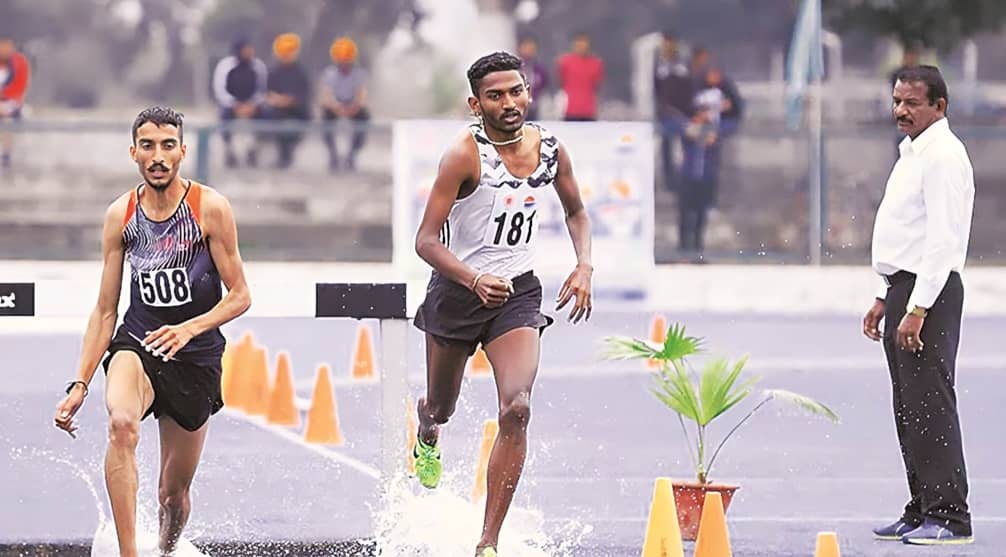
However, experts note that India still faces major challenges in developing elite level marathon runners capable of competing consistently on the international stage. Analysts point to gaps in infrastructure, sports science support, long term athlete development and professional coaching systems.
Sports authorities and athletic organizations in India have increasingly focused on improving training facilities and identifying endurance talent from rural and high altitude regions. Some experts believe India possesses significant untapped potential due to its large population and diverse geographical conditions.
The discussion surrounding marathon development also reflects broader questions about investment in athletics compared to other sports. Cricket continues to dominate the Indian sports landscape, while disciplines such as long distance running often receive comparatively less attention and funding.
Fitness experts emphasize that marathon success depends not only on physical talent but also on structured support systems involving nutritionists, physiotherapists, psychologists and scientific performance monitoring. Countries with strong athletics programs typically maintain long term athlete development pipelines beginning at school and community levels.
The rise of marathon culture in India has nevertheless contributed positively to public health awareness and recreational fitness participation. More young people are taking part in distance running events, while private organizations and sports groups continue promoting endurance sports nationwide.
International marathon breakthroughs continue to reshape perceptions regarding human athletic capability. Analysts believe the next decade could witness even greater advancements in endurance performance as technology, training science and athlete preparation continue evolving.
The growing conversation around marathon evolution has also encouraged countries like India to reconsider strategies for developing competitive long distance athletes capable of succeeding on the world stage.