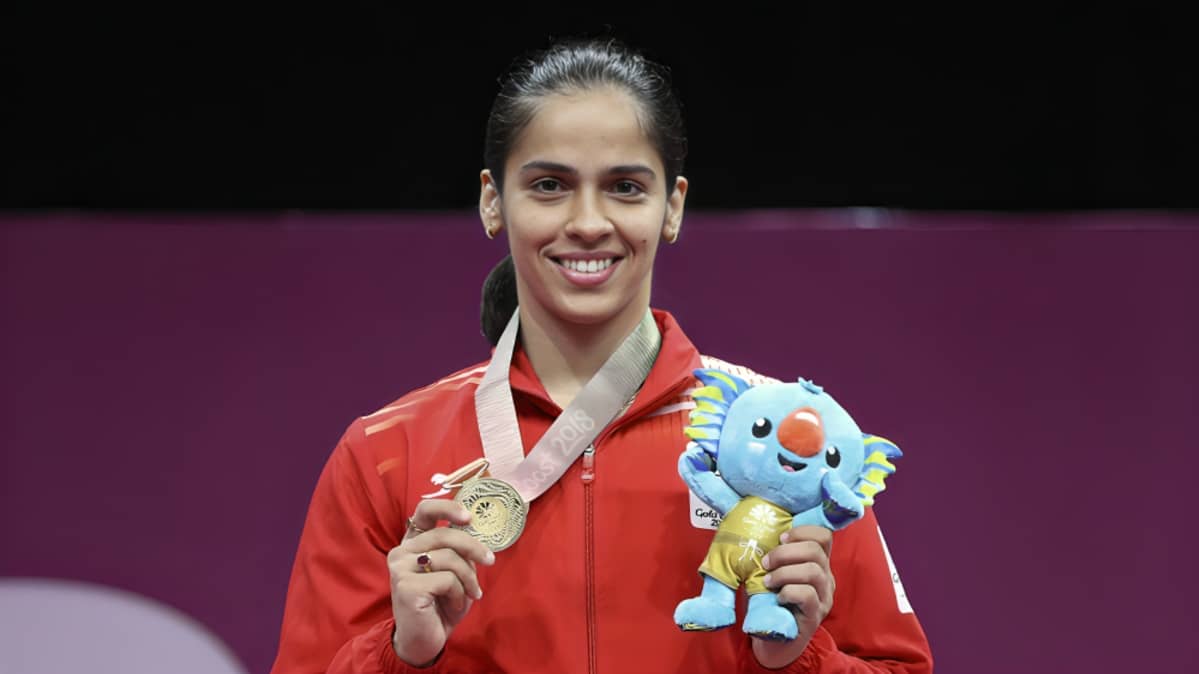
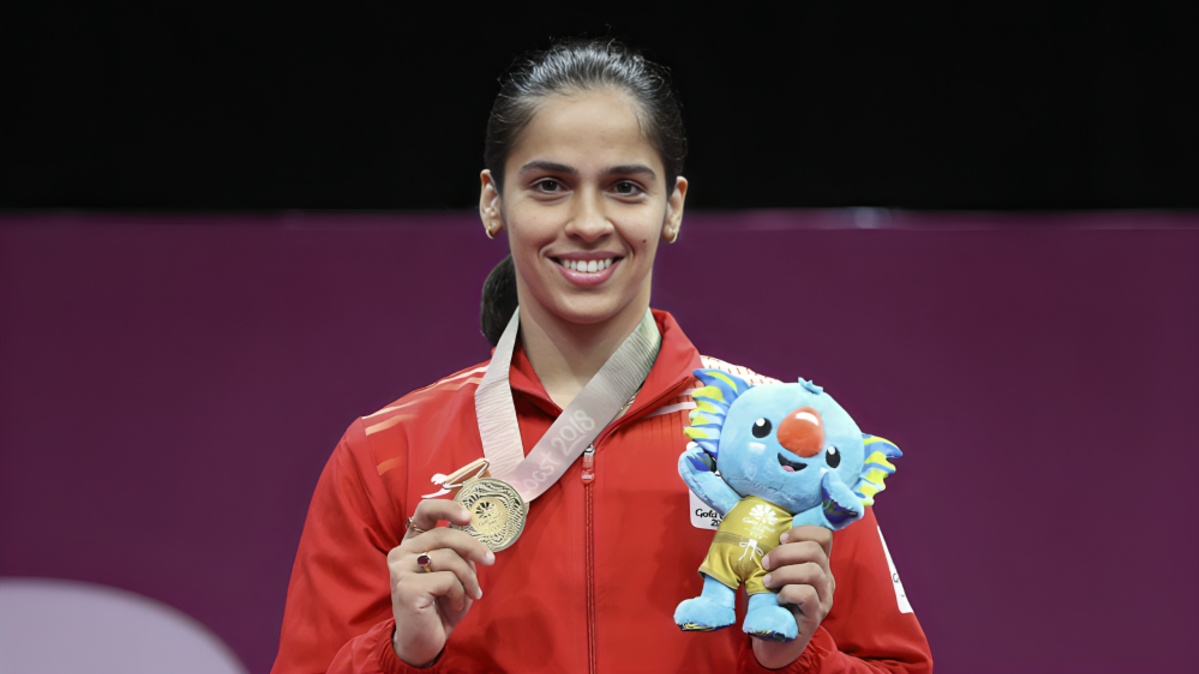
Former world No. 1 badminton player and Olympic medallist Saina Nehwal has raised important questions about the future of Indian sport, particularly the financial challenges faced by young athletes.
Nehwal has pointed out that choosing sport as a career can still be a difficult decision for many Indian families. According to her, parents frequently worry about whether their children will have a financially secure future if they choose professional sport instead of a conventional career.
The concern is particularly significant during the early stages of an athlete’s development. Young players often need years of training, travel, coaching, equipment and competition before they reach a level where sponsorships and professional opportunities become available.
Nehwal has argued that this situation needs to change if India wants to establish itself as a genuine sporting nation. She believes talented athletes should receive adequate financial support from the beginning rather than only after achieving major success.
In recent remarks on Indian sport, Nehwal also highlighted the difference between cricket and several other sports. Cricket has developed a strong commercial ecosystem involving professional leagues, television coverage, sponsorships and widespread public attention. This has created more visible career opportunities for young cricketers.
According to Nehwal, other sports need similar structures to attract and retain talent. More competitions, improved marketing, better broadcasting and stronger sponsorship opportunities could help athletes build sustainable careers.
She has also spoken about the importance of developing athletes before they become established stars. In her own career, Nehwal experienced a period when specialised support systems were limited. She has previously recalled that dedicated physiotherapy and other professional support became important parts of her preparation only later in her career.
Modern elite sport requires much more than basic coaching. Athletes may need access to physiotherapists, trainers, nutrition experts, doctors, sports psychologists and other specialists. Building such support systems at an early stage can help athletes develop physically and mentally while reducing the financial burden on their families.
The issue also extends beyond badminton. India has produced successful athletes in wrestling, boxing, athletics, shooting, hockey and several other disciplines. However, the depth of competition and the availability of financial opportunities remain uneven across sports and regions.
Nehwal has acknowledged that Indian sport has made significant progress, particularly over the past decade. She has noted the growing participation and success of women athletes and the improvement in training facilities and support staff.
However, she believes the progress needs to reach more parts of the country. Young athletes should be able to pursue sport without their families having to worry constantly about the financial consequences.
The former badminton star has also stressed the importance of medal performances at major international competitions. In her view, India’s status as a sporting nation should ultimately be reflected in its position on global medal tables, rather than simply in its ability to host major sporting events.
Creating a stronger sporting ecosystem could therefore involve several measures, including increased grassroots funding, more domestic competitions, better coaching, improved sports science facilities, stronger sponsorship networks and greater television and digital visibility.
Professional leagues can also play an important role. Successful leagues can provide athletes with regular competition, income and exposure while giving younger players opportunities to learn from established competitors.
For parents, the availability of a clearer career pathway could make sports a more acceptable option for their children. If athletes can see realistic opportunities for scholarships, professional contracts, sponsorships and competition earnings, families may be more willing to invest time and resources in their development.
Nehwal’s comments therefore highlight a broader issue facing Indian sport. Talent alone is not enough to produce international champions. Athletes require long-term financial, physical, psychological and professional support throughout their development.
India has already demonstrated that it can produce world-class sporting talent. The challenge now is to create a system capable of supporting a much larger pool of athletes and giving them opportunities to succeed across different disciplines.
With stronger investment, wider competition and better career opportunities, more young Indians could consider sport a viable profession. Nehwal’s observations underline the need to build that confidence among both athletes and their families if India wants to take the next major step towards becoming a leading sporting nation.
Her comments are consistent with her recent calls for stronger financial backing, promotion and support systems for athletes across India.