A new study conducted by Australia’s eSafety regulator has highlighted serious risks posed by AI chatbots to children. With the growing popularity of artificial intelligence-based conversational tools in India and worldwide, experts have raised concerns that these systems often lack robust safeguards to prevent exposure to harmful content.
The research focused on several widely used chatbots, examining their content moderation and age verification mechanisms. Results indicate that many platforms do not implement stringent checks, allowing minors to access adult features or interact with content inappropriate for their age. This gap in safety protocols can leave children vulnerable to harmful language, inappropriate material, or even misinformation.
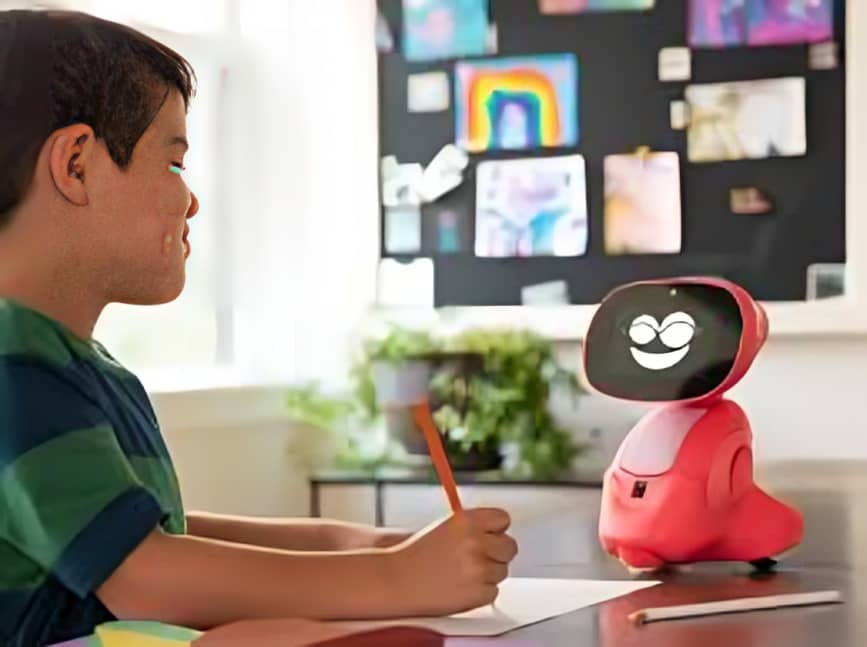
AI chatbots operate using complex algorithms that generate human-like responses. While these tools are designed to provide assistance, entertainment, or information, they can also inadvertently expose users to unsafe content if not carefully monitored. The study emphasizes that children are particularly at risk because of their limited ability to distinguish between safe and unsafe information online.
Experts warn that unrestricted access to AI chatbots may influence children’s behavior, decision-making, and emotional well-being. In addition to harmful content, AI interactions may inadvertently encourage the sharing of personal information, creating privacy concerns. The regulator’s report suggests that developers need to implement stricter safety features, including age verification and content filtering, to mitigate these risks.
Parents are advised to take an active role in monitoring chatbot usage. Supervising interactions, setting limits on usage, and educating children about safe digital behavior are critical steps to ensure their safety online. Digital literacy programs can also help children understand potential dangers and encourage responsible AI use.
The study’s findings have sparked discussions among policymakers and tech developers about the need for global safety standards for AI tools. Experts recommend regular audits of chatbot systems, improved moderation of generated content, and clear reporting mechanisms for inappropriate interactions. These measures are considered essential to protect minors while allowing them to benefit from AI technology responsibly.
In India, where the use of AI chatbots in education, gaming, and entertainment is rapidly increasing, the implications are particularly significant. Parents, educators, and policymakers are urged to collaborate in developing guidelines to safeguard children from potential harm. Awareness campaigns and parental controls could be crucial in ensuring safe AI experiences for younger users.
Overall, the eSafety study underscores the importance of vigilance and safety when it comes to AI technology for children. While AI chatbots offer innovative ways to interact and learn, their potential risks require careful management. Implementing safeguards, educating users, and monitoring digital engagement are essential to protect the next generation from harmful content while allowing them to explore AI responsibly.