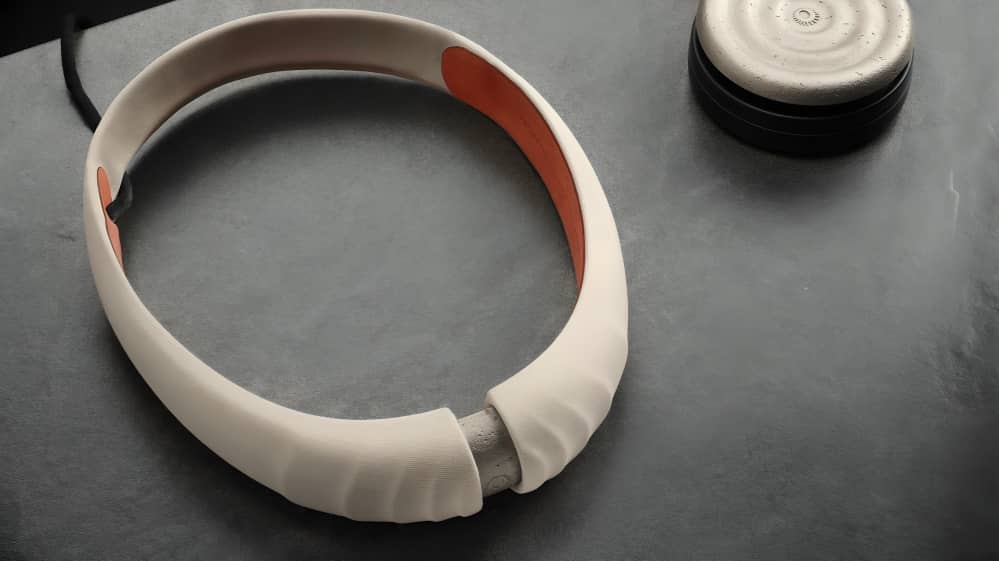

Prophetic AI has unveiled a new wearable device designed to help users experience lucid dreaming, a state in which individuals are aware that they are dreaming and may be able to influence the dream. The device uses ultrasonic brain stimulation technology and is positioned as an innovative approach to exploring human consciousness and sleep patterns.
Lucid dreaming has long been a subject of interest in both scientific research and popular culture. It refers to a condition where a person becomes conscious during a dream and may gain some level of control over the dream environment. Researchers have studied this phenomenon for decades, exploring its potential applications in mental health, creativity and problem solving.
The wearable introduced by Prophetic AI aims to facilitate this experience by delivering targeted ultrasonic signals to specific areas of the brain. According to the company, these signals are intended to stimulate neural activity associated with awareness during sleep. By doing so, the device claims to increase the likelihood of entering a lucid dream state.
The product is priced starting at 449 dollars, placing it in the premium segment of consumer technology. It is designed to be worn during sleep, with built in sensors that monitor brain activity and adjust stimulation accordingly. The concept combines elements of neuroscience, artificial intelligence and wearable technology.
Despite the innovation, experts have raised questions about the effectiveness and safety of such devices. Scientific evidence supporting the use of ultrasonic stimulation for inducing lucid dreams is still limited. While some studies suggest that certain forms of brain stimulation can influence sleep patterns, the results are not yet conclusive.
Health professionals emphasize the importance of rigorous testing and validation before adopting new technologies that interact with the brain. Factors such as long term effects, accuracy of stimulation and individual variability need to be carefully evaluated. Without sufficient clinical data, it is difficult to determine how reliably such devices can deliver the promised results.
The introduction of this wearable also highlights the growing interest in sleep technology. Devices that track sleep patterns, improve rest quality and enhance cognitive experiences are becoming increasingly popular. Consumers are seeking tools that can provide insights into their sleep and potentially improve overall well being.
At the same time, ethical considerations play a role in the development of such technologies. Manipulating brain activity raises questions about privacy, consent and the potential for misuse. Developers and regulators may need to establish guidelines to ensure that these innovations are used responsibly.
From a market perspective, the product has generated curiosity among technology enthusiasts and researchers. It represents an attempt to bridge the gap between scientific research and consumer applications. However, its success will depend on how effectively it can demonstrate real world benefits and gain user trust.
In conclusion, the AI powered wearable from Prophetic AI presents an intriguing concept in the field of sleep technology. While the idea of controlling dreams is appealing, the practical implementation remains uncertain. Further research and validation will be essential to determine whether such devices can reliably and safely enable lucid dreaming.