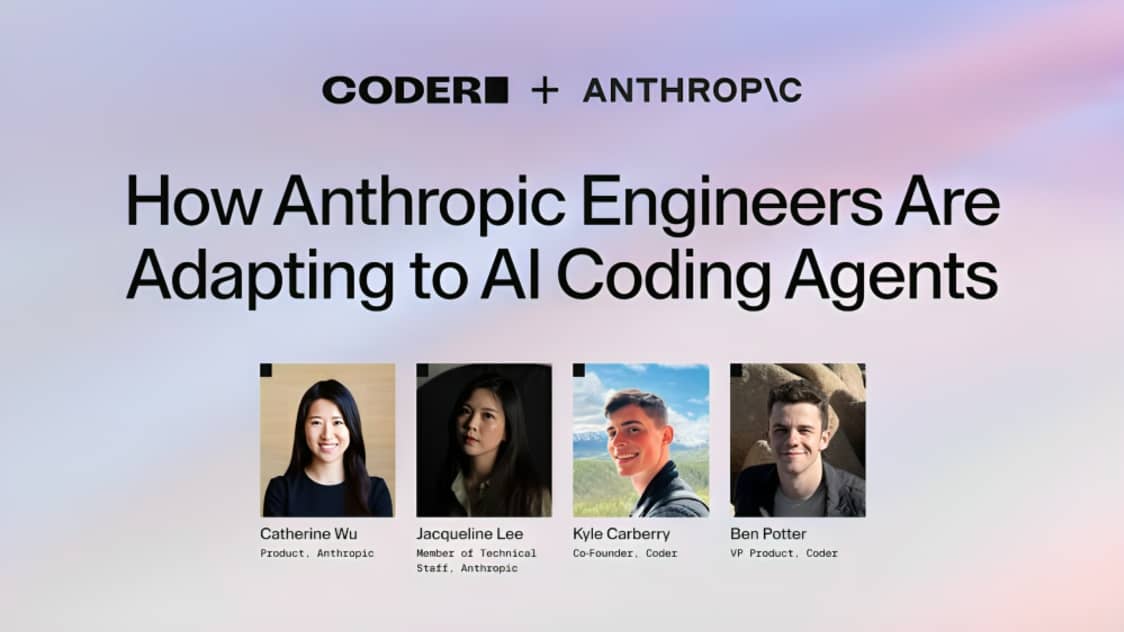

Artificial intelligence continues to reshape the technology industry, and a recent study conducted by Anthropic has added a new dimension to the ongoing debate about the future of software development. According to the study, advanced AI coding agents are now achieving levels of task success that approach those of human software engineers in specific programming assignments.
The findings have generated significant interest across the technology sector, particularly among developers, employers and policymakers who are closely monitoring the growing capabilities of artificial intelligence systems. As AI tools become increasingly sophisticated, questions are emerging about how these technologies may influence the future of work and the structure of software engineering teams.
AI coding agents are designed to assist with programming tasks such as writing code, identifying errors, debugging software, generating documentation and completing technical assignments. These systems are typically powered by large language models trained on extensive collections of programming languages, technical resources and software development materials.
According to the study, AI agents demonstrated strong performance in completing a range of coding tasks, with success rates that in some cases were comparable to those achieved by professional engineers. Researchers evaluated the systems across structured assignments designed to measure problem-solving ability, code generation accuracy and overall task completion.
The results reflect the rapid progress being made in artificial intelligence development. Only a few years ago, AI coding tools were primarily used for basic code suggestions and simple automation. Today, many systems can generate complex code, explain technical concepts and assist developers throughout the software development lifecycle.
Despite these advancements, industry experts caution against viewing AI as a complete replacement for human engineers. Software development involves more than writing code. Engineers are responsible for designing system architectures, understanding business requirements, managing project goals, collaborating with teams and making strategic decisions that require judgment and experience.
Many professionals believe that artificial intelligence is more likely to function as a productivity enhancement tool rather than a direct substitute for software engineers. By automating repetitive tasks and accelerating coding workflows, AI can allow developers to focus on higher value activities such as innovation, system design and complex problem solving.
The study has nevertheless intensified discussions about the future employment landscape within the technology sector. As AI systems continue to improve, certain routine programming tasks may become increasingly automated. This could influence hiring patterns, skill requirements and workforce training strategies across the software industry.
Educational institutions and technology organizations are already adapting to these changes. Many training programs now emphasize skills that complement artificial intelligence, including critical thinking, software architecture, cybersecurity, product development and project management. These areas are considered more difficult to automate and remain heavily dependent on human expertise.
Technology companies are also investing in AI assisted development environments that combine machine capabilities with human oversight. Such systems are designed to increase efficiency while ensuring quality, reliability and accountability throughout the development process.
Researchers emphasize that AI generated code still requires careful review and validation. Errors, security vulnerabilities and unintended outcomes can occur when systems generate software without sufficient human supervision. As a result, professional oversight remains a critical component of responsible software development.
The broader implications of AI powered coding extend beyond employment considerations. Increased productivity could help organizations develop software more quickly, reduce development costs and accelerate innovation across industries. Businesses may benefit from faster deployment of digital solutions, while consumers could gain access to improved products and services.
As artificial intelligence continues to evolve, the relationship between human engineers and AI tools is expected to become increasingly collaborative. Rather than replacing developers entirely, many experts predict that future software teams will combine human creativity and strategic thinking with the speed and efficiency of advanced AI systems.
The Anthropic study highlights the remarkable progress of AI coding technology while also underscoring the importance of preparing for a changing technological landscape. As organizations adapt to these developments, the focus is likely to remain on finding effective ways for humans and artificial intelligence to work together in the software development process.