

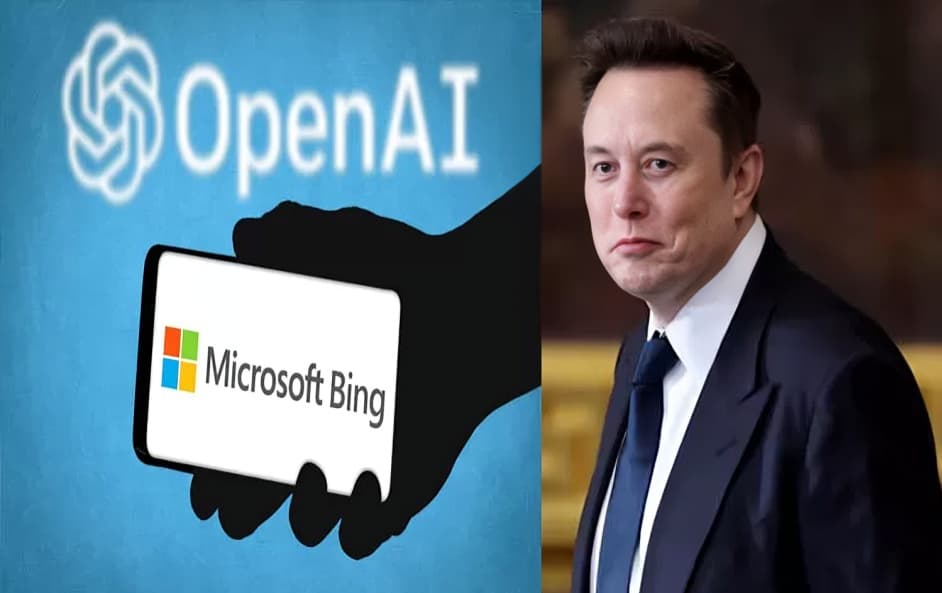
A fresh debate over the safety and responsibility of artificial intelligence has emerged after Elon Musk strongly criticised OpenAI’s ChatGPT in the aftermath of a tragic incident that has drawn global attention. Musk, a vocal critic of OpenAI’s current direction, expressed concern over the potential dangers of advanced AI systems and questioned whether sufficient safeguards are in place to prevent misuse or harmful outcomes.
The controversy arose after reports suggested that an individual involved in a murder suicide had interacted extensively with an AI chatbot before the incident. While authorities have not confirmed a direct causal link between the AI interaction and the crime, the case has sparked intense public discussion about the psychological and social impact of AI systems when used without adequate oversight.
Reacting to the reports, Musk used strong language to describe ChatGPT, reiterating his belief that artificial intelligence poses serious risks if left unregulated. He has repeatedly warned that AI development should be guided by strict ethical frameworks and transparent governance. Musk, who was once involved in the early formation of OpenAI, has since distanced himself from the organisation, arguing that it has moved away from its original mission of prioritising safety and openness.
Experts and researchers have urged caution in interpreting the incident. Many have emphasised that while AI systems can influence conversations, attributing human actions solely to technology is overly simplistic. Mental health professionals stress that individuals involved in violent acts often face complex psychological and social challenges, and technology should not be viewed as the sole factor.
OpenAI has previously stated that ChatGPT is designed with safety measures to prevent harmful content and that it does not encourage violence or illegal behaviour. The company has also highlighted ongoing efforts to improve moderation, user warnings, and system limitations. However, critics argue that as AI becomes more conversational and emotionally engaging, the risk of misuse or misinterpretation increases.
The incident has renewed calls for stronger regulation of artificial intelligence, particularly systems that interact directly with users on sensitive topics. Policymakers and technology experts have pointed out that AI governance must keep pace with rapid technological advancement. Clear guidelines, accountability mechanisms, and independent oversight are increasingly seen as essential to prevent unintended harm.
Musk’s comments have added momentum to this discussion, especially given his influence in the technology sector. He has advocated for international regulation of AI, warning that competition among companies could lead to the release of powerful systems without sufficient testing.
As investigations into the tragic case continue, the broader debate highlights the challenges of balancing innovation with responsibility. The episode underscores the importance of ethical AI development, user awareness, and mental health support in an era where digital tools play a growing role in daily life.
The controversy surrounding ChatGPT and Musk’s remarks serves as a reminder that artificial intelligence, while offering significant benefits, also raises complex ethical and social questions that demand careful consideration from developers, regulators, and society as a whole.


