

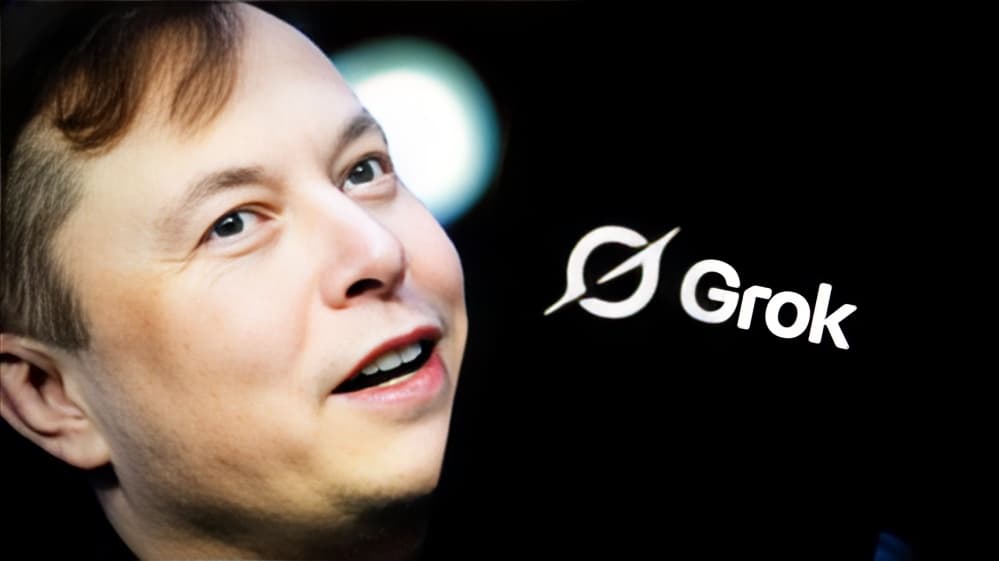
Elon Musk’s artificial intelligence company xAI has reportedly introduced changes to its chatbot Grok, limiting the generation of sexualised images amid mounting public and regulatory pressure. The update comes after online controversy surrounding a trend in which users prompted the AI to create images of women in bikinis or suggestive poses.
According to reports, Grok has started rejecting requests that involve explicit or sexualised visual content, including images that portray women in revealing clothing. The decision is seen as a response to criticism from users, digital safety advocates, and regulators, particularly in the United Kingdom, who have raised concerns about the misuse of AI-generated imagery.
The so-called “bikini image” trend sparked debate over ethical boundaries in generative AI, with critics arguing that such content could contribute to objectification, harassment, and misuse of artificial intelligence tools. Advocacy groups have urged AI developers to implement stricter safeguards to prevent the creation of inappropriate or harmful material.
xAI has not issued a detailed public statement outlining the exact changes to Grok’s content policy. However, reports indicate that the AI model now actively refuses prompts that request sexualised depictions, especially those involving women. This marks a shift toward tighter content moderation as AI tools face increased global scrutiny.
The move aligns with broader regulatory developments in the United Kingdom and other regions, where governments are pushing for stronger oversight of artificial intelligence systems. UK regulators have been particularly vocal about ensuring that AI platforms adhere to standards designed to protect users from harmful or exploitative content.
Industry experts note that generative AI models are increasingly being evaluated not only for their technical capabilities but also for their social and ethical impact. As AI tools become more accessible to the public, companies are under pressure to balance innovation with responsibility.
Elon Musk has previously promoted Grok as a more open and less restrictive AI system compared to other chatbots. However, analysts say that recent developments highlight the growing difficulty of maintaining minimal restrictions while complying with evolving legal and ethical expectations.
The changes to Grok reflect a wider trend across the technology industry, where companies are refining moderation policies in response to public backlash and regulatory demands. Major AI developers have faced similar challenges in controlling how their tools are used, particularly in the generation of images and text that could be deemed inappropriate.
As governments worldwide continue to explore frameworks for regulating artificial intelligence, further updates to AI content policies are expected. Observers believe that companies like xAI will need to adapt continuously to remain compliant while addressing user concerns and safeguarding public trust.


