A Florida woman has been arrested after a conversation with Anthropic’s Claude artificial intelligence chatbot reportedly triggered the company’s safety monitoring system and was subsequently referred to law enforcement.
The woman has been identified in reports as 30 year old Carli Michelle Heller of Bonita Springs, Florida. According to the arrest report cited by local and technology news outlets, Heller allegedly used Claude as a personal diary and entered messages describing an attack against the Lee County Sheriff’s Office.
The incident has drawn attention to how artificial intelligence companies handle conversations that may contain serious threats and what can happen when automated safety systems identify potentially dangerous content.
According to investigators, Heller allegedly wrote a threatening message on September 26, 2026. The message reportedly referred to attacking or shooting the sheriff’s office. A further message allegedly sent the following day mentioned that she had obtained a new firearm.
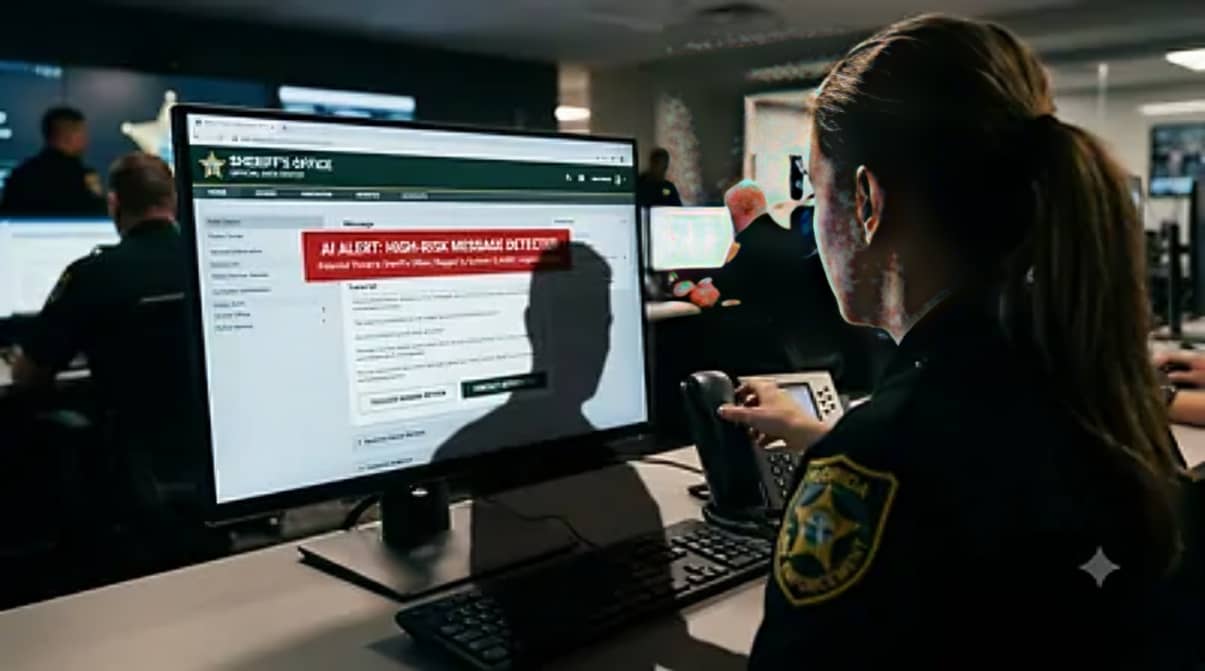
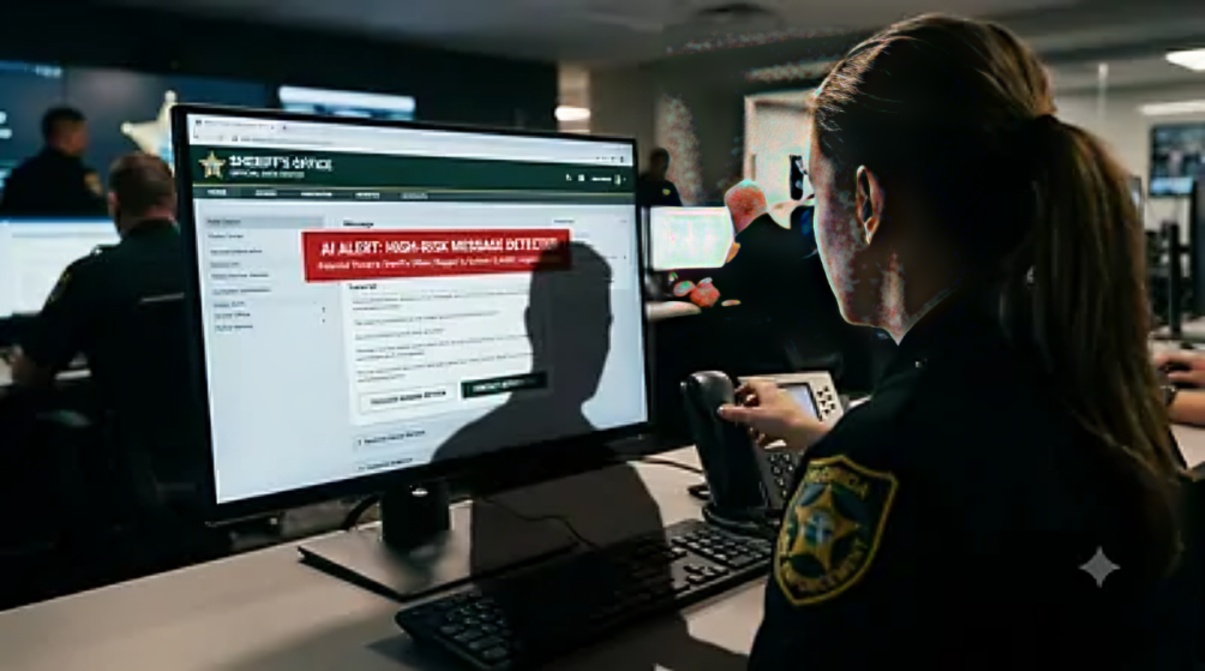
The reported messages were detected by Claude’s safety systems. According to the arrest report, the automated system flagged the conversation because of the nature of the content. The conversation was then escalated to a human review team.
The human reviewer reportedly assessed the conversation and concluded that it represented a credible threat. The information was subsequently passed to law enforcement, according to the arrest report and reports based on it.
Following the alert, deputies went to Heller’s home in Bonita Springs. She was detained without incident, after which an intelligence detective with the Lee County Sheriff’s Office took over the investigation.
Heller has been charged in connection with an alleged written or electronic threat. Reports citing Florida law say the relevant statute covers written or electronic communications that threaten to kill or injure another person, carry out a mass shooting or commit an act of terrorism.
The case remains an allegation at this stage. An arrest or criminal charge does not establish guilt, and the allegations would have to be addressed through the legal process.
The incident is significant because it demonstrates that conversations with consumer AI systems are not necessarily completely private in situations involving serious safety concerns.
AI chatbots are designed to process large numbers of conversations and use automated systems to identify content that may violate safety rules or indicate potential harm. When certain conversations are identified as particularly serious, they can be escalated for additional review.
In this case, reports indicate that the process involved two stages. First, an automated safety system reportedly detected the threatening language. Second, the conversation was reviewed by a human safety team before information was provided to law enforcement.
This distinction is important because the system did not simply result in an automatic police report based on a single keyword, according to the available reporting. The conversation was reportedly escalated for human assessment before law enforcement was contacted.
Anthropic’s policies allow the company to disclose user information in limited circumstances when it believes disclosure is reasonably necessary to prevent serious harm. The company has procedures for responding to government and law enforcement requests, while also maintaining privacy protections for users.
The case therefore raises questions about the balance between user privacy and public safety. AI companies face pressure to protect private user conversations while also responding appropriately when their systems identify credible threats involving potential violence.
For users, the incident serves as a reminder that conversations with AI platforms should not necessarily be treated in the same way as a completely private personal diary. Companies may use automated safety systems to detect prohibited or dangerous activity, and serious cases can potentially be escalated to human reviewers.
However, this does not mean that every unusual or disturbing conversation is automatically reported to police. The circumstances under which information may be disclosed depend on the platform’s policies, the seriousness of the content and applicable laws.
The Florida case also comes amid broader scrutiny of how AI companies respond to dangerous conversations.
Other recent incidents involving AI chatbots have raised similar questions about when companies should intervene and when conversations should remain private. Technology companies are increasingly expected to develop systems that can identify potential threats while avoiding unnecessary monitoring of legitimate conversations.
The issue is particularly complicated because AI systems can struggle to understand context. A statement may be fictional, hypothetical, emotional or part of a creative exercise, while another similar statement may represent a genuine threat. Human review can therefore play an important role when automated systems identify potentially serious content.
In Heller’s case, investigators reportedly considered the messages serious enough for the conversation to be escalated and referred to law enforcement. The subsequent arrest means the matter will now proceed through the US legal system.
Reports also indicate that Heller told authorities she had been using Claude as a diary. That explanation has become an important part of coverage of the case because it highlights the difference between a user's understanding of an AI conversation and the way a platform's safety systems may interpret threatening language.
For AI users, the broader lesson is that platforms can have safety and moderation mechanisms operating behind the chatbot interface. Users may see an AI conversation as a private exchange, but the service provider may have systems designed to detect serious violations of its rules or potential threats to safety.
The incident could also add to the ongoing debate over transparency. Users may want to know what kinds of conversations are monitored, when automated systems trigger human review and under what circumstances information can be shared with authorities.
AI companies, meanwhile, must balance these expectations with their responsibility to respond to credible threats and comply with legal requirements.
The case involving Heller remains an ongoing legal matter. Further developments could provide more information about the messages, the investigation and the legal arguments surrounding the charge.
For now, the reported sequence is clear. A conversation on Claude allegedly contained threats against the Lee County Sheriff’s Office. Anthropic’s safety system reportedly detected the content, a human review team assessed the conversation and law enforcement was contacted. Deputies then detained the Florida woman, who now faces a felony charge.
The case highlights a growing issue in the AI industry: how companies should respond when private chatbot conversations appear to contain credible threats, and how users should understand the limits of privacy when using AI services.