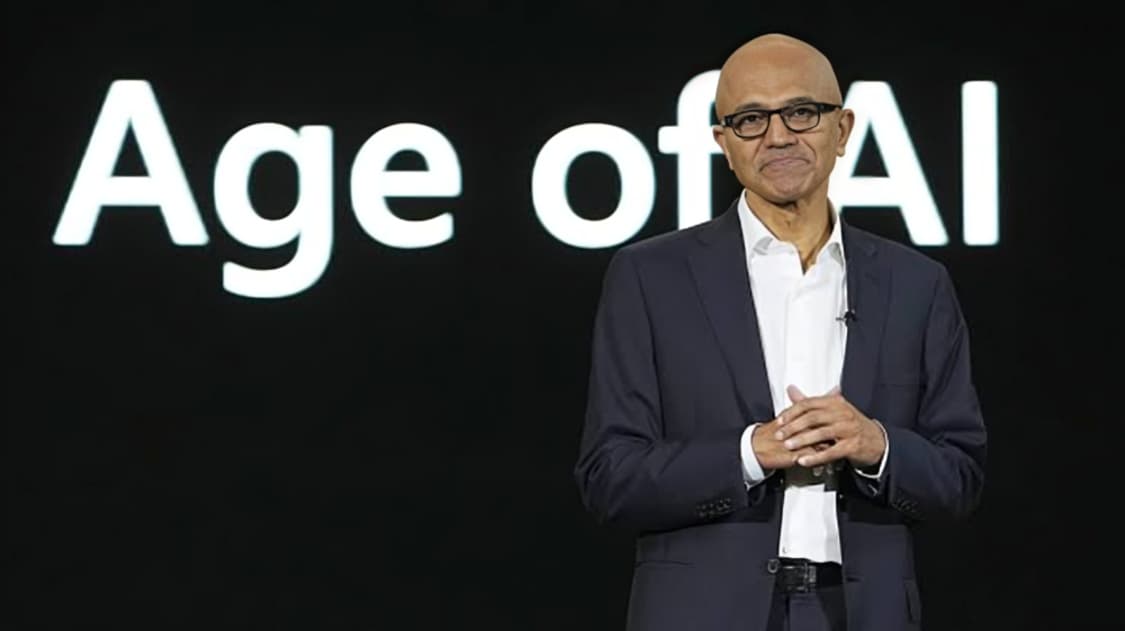
Salil Parekh has emphasized the transformative impact of artificial intelligence on the information technology sector, stating that mid level roles could emerge as a new center of influence in the evolving industry landscape. His remarks highlight how advancements in AI are expected to reshape hiring patterns and workforce structures.
According to Salil Parekh, the adoption of AI technologies is not only changing the nature of work but also creating new opportunities for professionals. While automation is often associated with job displacement, he noted that it can also lead to the creation of new roles that require specialized skills and expertise. This shift is expected to redefine the demand for talent across various levels of the organization.
Infosys has been actively investing in training and upskilling initiatives to prepare its workforce for this transition. The company aims to equip employees with the skills needed to work with AI driven systems and technologies. This includes training programs focused on areas such as data analysis, machine learning, and digital transformation.
The emphasis on mid level roles reflects the importance of experience and domain knowledge in managing complex AI driven projects. Professionals at this level often act as a bridge between strategic decision makers and technical teams, making them crucial for successful implementation of technology solutions. As AI adoption increases, their role in coordinating and executing projects is expected to become more prominent.
Infosys is also positioning itself to capitalize on the growing demand for AI services. The company has identified a significant market opportunity, with estimates suggesting a large potential for growth in this segment. By focusing on innovation and expanding its service offerings, Infosys aims to strengthen its presence in the global technology market.
Industry experts note that the integration of AI into business processes is accelerating across sectors. Companies are increasingly relying on AI to improve efficiency, enhance customer experiences, and drive innovation. This trend is expected to continue, creating sustained demand for skilled professionals who can develop and manage AI solutions.
The changing landscape also requires organizations to rethink their hiring strategies. Instead of focusing solely on entry level or senior positions, companies may place greater emphasis on mid level roles that combine technical expertise with practical experience. This shift could lead to a more balanced workforce structure.
At the same time, the transition to an AI driven environment presents challenges, including the need for continuous learning and adaptation. Employees must stay updated with evolving technologies to remain relevant in the industry. Organizations play a key role in supporting this process through training and development initiatives.
Overall, the insights shared by Salil Parekh highlight the dynamic nature of the IT sector and the opportunities created by artificial intelligence. As companies like Infosys continue to invest in innovation and talent development, the industry is expected to undergo significant transformation in the coming years.