Nvidia CEO Jensen Huang has come under international scrutiny following reports about his alleged relationship with a former executive of Singapore-based Megaspeed International and concerns over a possible foreign intelligence operation. The controversy has prompted Nvidia's board to launch an independent investigation and has raised wider questions about the company's leadership, corporate governance and role in the global artificial intelligence industry.
The developments have also drawn attention to India's growing dependence on advanced computing hardware supplied by global technology companies. As India expands its artificial intelligence infrastructure through the IndiaAI Mission, the situation has renewed discussions about technology supply chains, semiconductor independence and the need for multiple sources of advanced computing power.
What triggered the Nvidia controversy
The controversy centres on reports involving Jensen Huang and Alice Huang, a former executive of Singapore-based Megaspeed International. US authorities have reportedly suspected Alice Huang of having links to Chinese intelligence. These allegations have not been independently established as facts.
Jensen Huang has acknowledged having an extramarital relationship and apologised to his family and colleagues. Nvidia's board subsequently announced an independent investigation into reports that its chief executive may have been targeted by a foreign intelligence operation.
The company said it had no reason to believe that national security or Nvidia's confidential information had been compromised. The investigation is being overseen by independent directors with support from external legal counsel.
Huang has expressed his willingness to cooperate with the review. Nvidia has also indicated confidence in its leadership while the investigation continues.
China has rejected the espionage allegations, describing them as unfounded. The matter therefore remains under scrutiny, and the allegations should not be treated as proven conclusions.
Why Nvidia is important to the global AI industry
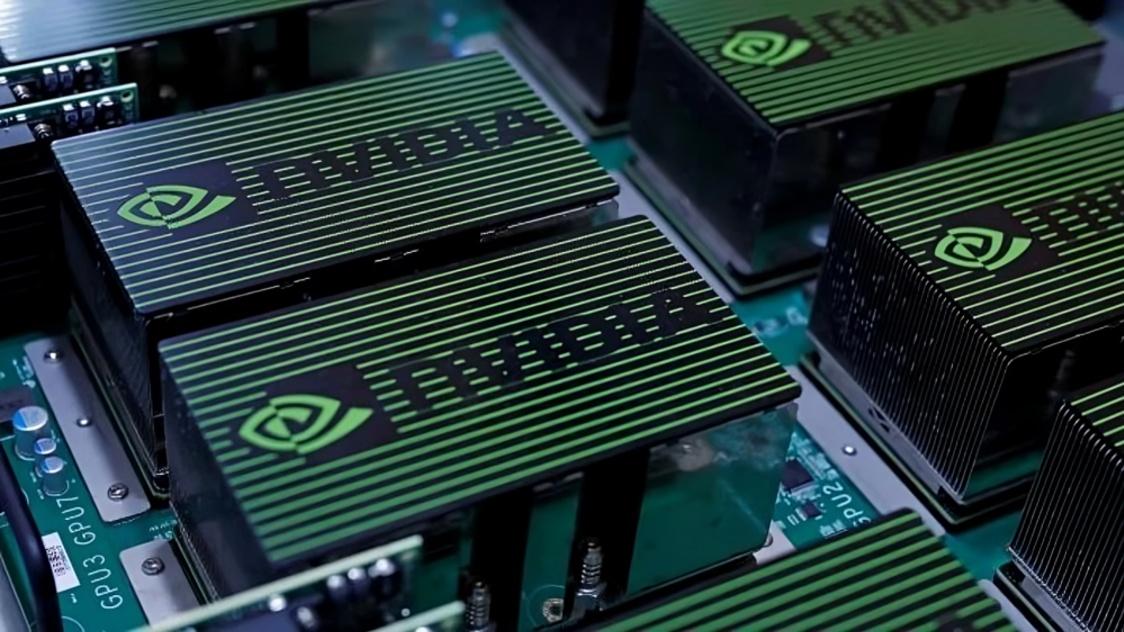
Nvidia is one of the world's leading suppliers of graphics processing units and other computing technologies used to develop and operate artificial intelligence systems.
Its advanced chips are widely used in data centres, cloud computing platforms, research institutions and technology companies. These processors provide the computing power required to train large AI models and operate complex applications.
The company's importance extends beyond the technology sector because advanced semiconductors have become a major part of international economic and national security discussions.
The United States and China are competing for leadership in artificial intelligence and advanced semiconductor technology. Export restrictions on certain high-performance chips have become an important part of this competition.
As a result, developments involving Nvidia can attract attention from investors, governments, technology companies and countries that depend on its products.
Any uncertainty involving the company's leadership, supply chain or business operations could create concerns among customers and investors. However, the current investigation does not automatically mean that Nvidia's chip supplies will be disrupted.
How India's AI ecosystem is connected to Nvidia
India has been expanding its artificial intelligence capabilities through government programmes, private-sector investments and partnerships with international technology companies.
The IndiaAI Mission is one of the country's major initiatives aimed at improving access to computing infrastructure, supporting AI development and encouraging innovation.
According to reports cited in discussions around the India AI Impact Summit, Nvidia chips account for more than 85 per cent of the common computing infrastructure established under the IndiaAI Mission. Nvidia has also announced plans to deploy tens of thousands of its latest Blackwell graphics processing units across India to support the country's AI ambitions.
This level of dependence makes Nvidia an important technology partner for India's expanding AI ecosystem.
Start-ups, research institutions, universities and businesses need access to powerful computing systems to develop AI models and applications. The availability, cost and reliability of advanced chips can therefore influence how quickly these organisations develop their products and services.
If Nvidia faces prolonged leadership uncertainty or changes in its business environment, Indian organisations that depend heavily on its hardware could face additional uncertainty. However, there is currently no confirmed information that the controversy has interrupted India's AI computing infrastructure.
Concerns about dependence on foreign technology
The controversy has brought renewed attention to a broader issue facing India's technology sector: dependence on a limited number of international suppliers for advanced computing hardware.
India's AI development requires large quantities of high-performance processors, data centre infrastructure and specialised semiconductor technologies. Much of this equipment is supplied by companies operating outside the country.
This dependence can create challenges when international trade restrictions, geopolitical tensions or supply chain disruptions affect the availability of critical components.
Dr Jaijit Bhattacharya, president of the C-DEP Research think tank, has highlighted the strategic importance of Nvidia and the risks associated with concentrating advanced AI computing in a small number of global companies.
The concern is not limited to the current controversy involving Huang. It also relates to India's long-term ability to access essential technology without becoming overly dependent on a single supplier.
Why India may need more technology partnerships
One possible response is to diversify India's technology partnerships. Working with multiple international chip manufacturers and computing providers could help reduce dependence on a single company.
A broader supplier network could also improve flexibility in procurement and support the development of different computing platforms.
India could also strengthen domestic capabilities in semiconductor design, chip manufacturing, AI hardware research and high-performance computing.
Building a strong domestic semiconductor ecosystem requires long-term investment, skilled professionals, research facilities and cooperation between government agencies, universities and private companies.
Developing indigenous computing technologies would not immediately replace advanced processors supplied by global companies. However, it could gradually improve India's technological independence and provide additional options for future AI infrastructure projects.
Investor confidence and the future of Nvidia
The controversy has also raised questions about investor confidence in Nvidia. The company plays a major role in the global AI industry, and its business performance is closely watched by financial markets.
Reports of the investigation and concerns surrounding Huang have contributed to market uncertainty. Nvidia shares fell during trading on November 9, although stock movements can also reflect wider market conditions and investor expectations.
For investors, the key issues include the outcome of the independent investigation, the company's leadership stability and whether the controversy affects its relationships with customers or regulators.
Nvidia's board has stated that it has no reason to believe company secrets or national security have been compromised. Huang has also indicated that he will cooperate with the investigation.
The eventual findings may help clarify whether the reported concerns have any implications for the company's operations or governance.
What the controversy could mean for India's AI ambitions
For India, the main lesson from the Nvidia controversy is the importance of building a resilient AI infrastructure.
The country's AI ambitions depend not only on access to advanced chips but also on reliable data centres, skilled professionals, research investment and strong technology partnerships.
The current situation does not establish that India's AI projects will face immediate disruption. However, it highlights the potential risks of relying heavily on a limited number of international technology suppliers.
As India's AI ecosystem continues to expand, policymakers and industry leaders may need to focus more strongly on supplier diversification, domestic semiconductor development and long-term computing capacity.
The investigation involving Nvidia's chief executive remains ongoing. Its findings, along with developments in international semiconductor policy, could influence future discussions about AI supply chains and technology security.
For India, strengthening domestic capabilities while maintaining access to global technology will remain important for building a competitive and sustainable artificial intelligence ecosystem.