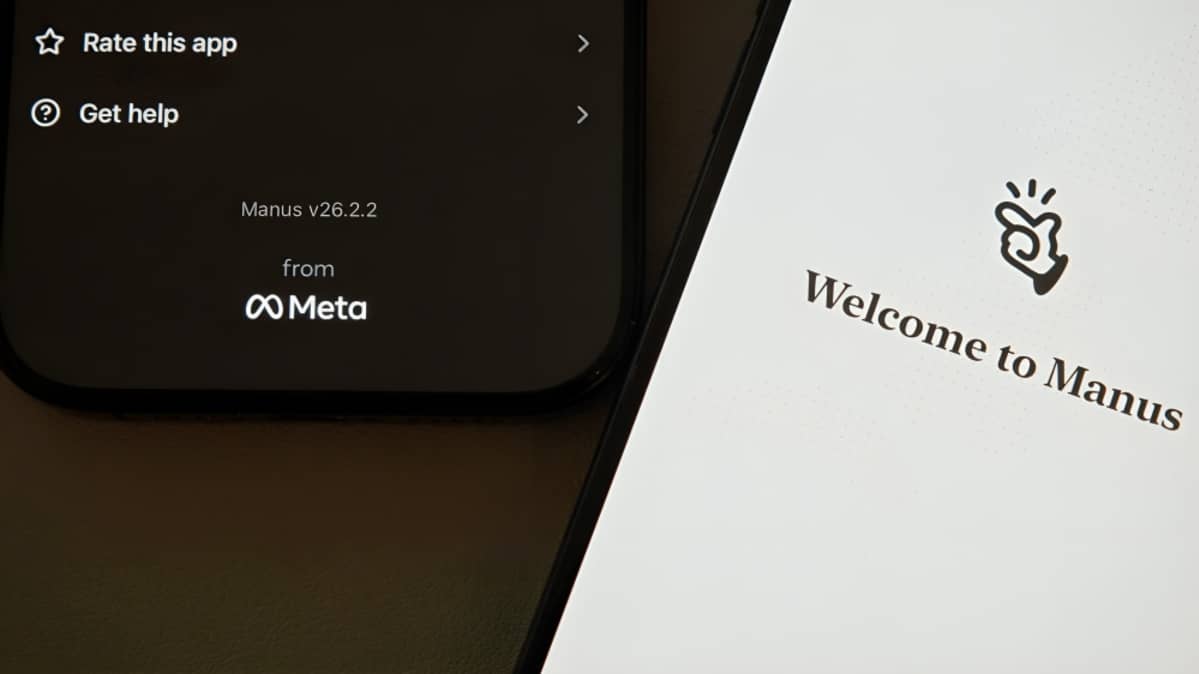
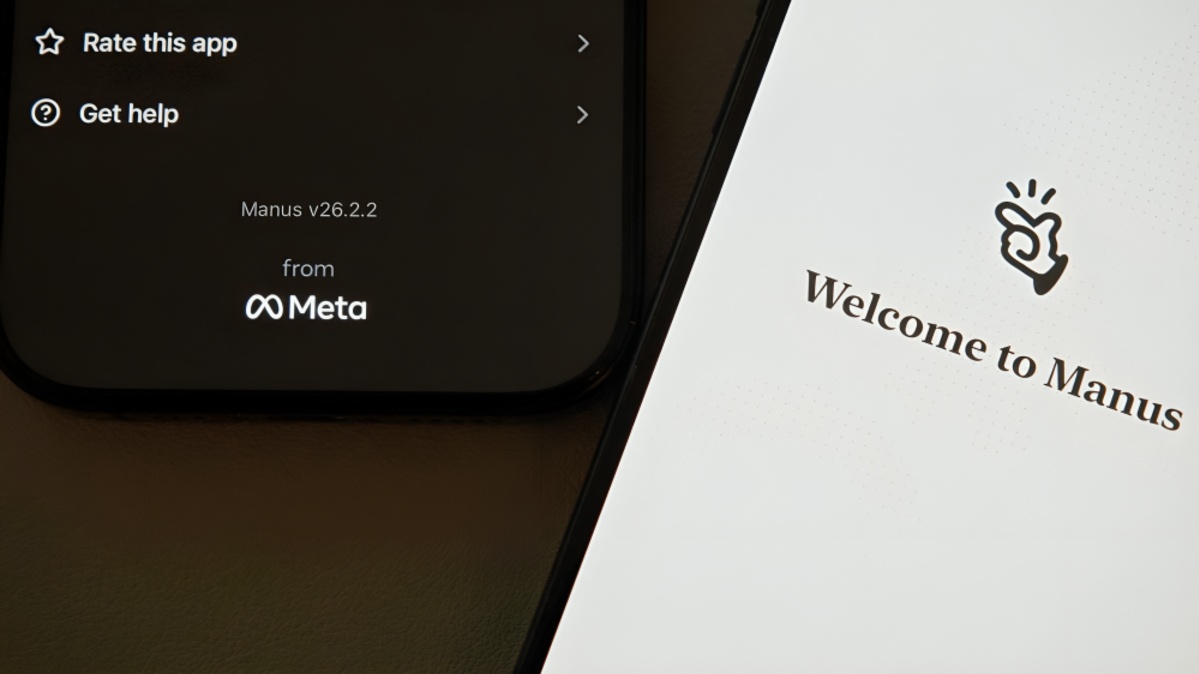
AI startup Manus is reportedly preparing to return to independent operations following developments surrounding its acquisition deal with Meta.
The proposed change could mark a significant shift for the AI company and its users. Along with the change in ownership structure, certain user data generated after the acquisition is expected to be deleted as part of the transition.
The development has attracted attention because AI platforms often handle large amounts of user generated information, including conversations, documents, projects, prompts and other data created while using their services.
Manus Set to Return to Independence
Manus is an artificial intelligence startup known for developing AI agents designed to perform tasks with limited human intervention.
The company's technology has attracted interest from the global technology industry because AI agents are increasingly being developed to complete multi step tasks such as research, content generation, analysis and software related activities.
The reported reversal of the Meta deal means Manus is expected to operate independently again.
The transition could involve changes to the company's ownership, business structure, data management practices and user policies.
User Data Deletion
One of the most important aspects of the transition concerns user data.
Reports indicate that certain data generated after the acquisition period will be deleted.
For users, this could mean that some information currently stored on the platform may no longer remain accessible after the transition.
The exact categories of data affected and the applicable timelines are important for users to understand.
Customers who have stored important projects or documents on Manus may want to review the company's communications and follow any available instructions before the deletion process takes place.
Why Data Management Matters
Data management is a major consideration whenever an online service changes ownership or corporate structure.
AI platforms can store information submitted directly by users as well as data generated during interactions with AI systems.
Depending on the service, this may include prompts, responses, files, project information and account details.
When a company changes its operating structure, users need clear information about what happens to that data.
The reported Manus transition highlights the importance of transparent data retention and deletion policies.
What Manus Users Should Know
Users should pay attention to official communications from Manus regarding the transition.
If the company identifies specific categories of information for deletion, users should determine whether their accounts are included.
Those who depend on Manus for important work should consider reviewing their stored information and downloading any material that they may need in the future, where such functionality is available.
Users should also review updated terms of service and privacy policies once they are published.
Impact on AI Users
The situation reflects a broader issue facing users of AI services.
AI applications are increasingly becoming part of everyday work, education, research and business operations.
Users may store important projects and sensitive information within these platforms.
When a service changes ownership or undergoes restructuring, questions can arise about who controls the data, how long it will be retained and whether users can continue accessing it.
Clear communication is therefore essential.
AI Industry Continues to Evolve
The AI sector has experienced rapid growth, with major technology companies investing heavily in startups and emerging AI platforms.
Acquisitions can provide startups with access to greater resources, infrastructure and technical expertise.
However, corporate transactions can also create complications involving data, employees, intellectual property and existing customers.
The reported reversal involving Manus illustrates how quickly business arrangements in the AI sector can change.
Importance of Backing Up Important Information
Users of AI platforms should consider maintaining copies of important work outside the platform.
This is particularly important for documents, research, business material and other information that would be difficult to recreate.
Regular backups can help users reduce the impact of unexpected service changes, account restrictions or data retention changes.
However, users should always follow the platform's policies when downloading or transferring information.
Privacy Considerations
Data privacy is another important issue in the transition.
Users should understand how their information is handled and whether previously stored data will continue to be retained.
They should also review whether new policies change the way their information may be processed.
For users who have entered confidential or sensitive business information into AI services, checking the latest privacy terms is particularly important.
What Could Happen Next
The next stage will likely involve Manus communicating more details about its independent operations and the treatment of user accounts and data.
Users may receive additional information about affected data, deletion schedules and available options.
The company's future direction will also be closely watched by the AI industry as independent AI startups compete with technology companies that have significantly greater resources.
Significance for the AI Market
Manus returning to independent operations could demonstrate that AI startups can continue developing outside the ownership of major technology companies.
At the same time, the data issue highlights the responsibilities companies have toward users during major corporate transitions.
As AI services become more deeply integrated into professional workflows, users are likely to pay greater attention to data portability, privacy and retention policies.
Conclusion
Manus is reportedly preparing to return to independent operations following the reversal of its deal with Meta.
The transition could have a direct impact on users, particularly because some data generated after the acquisition is expected to be deleted.
Users should monitor official announcements from Manus, review the applicable data policies and save important information if download options are provided.
The development also highlights a broader issue in the rapidly evolving AI industry, where acquisitions, partnerships and ownership structures can change quickly. For users, understanding how companies manage personal and generated data during such transitions is becoming increasingly important.