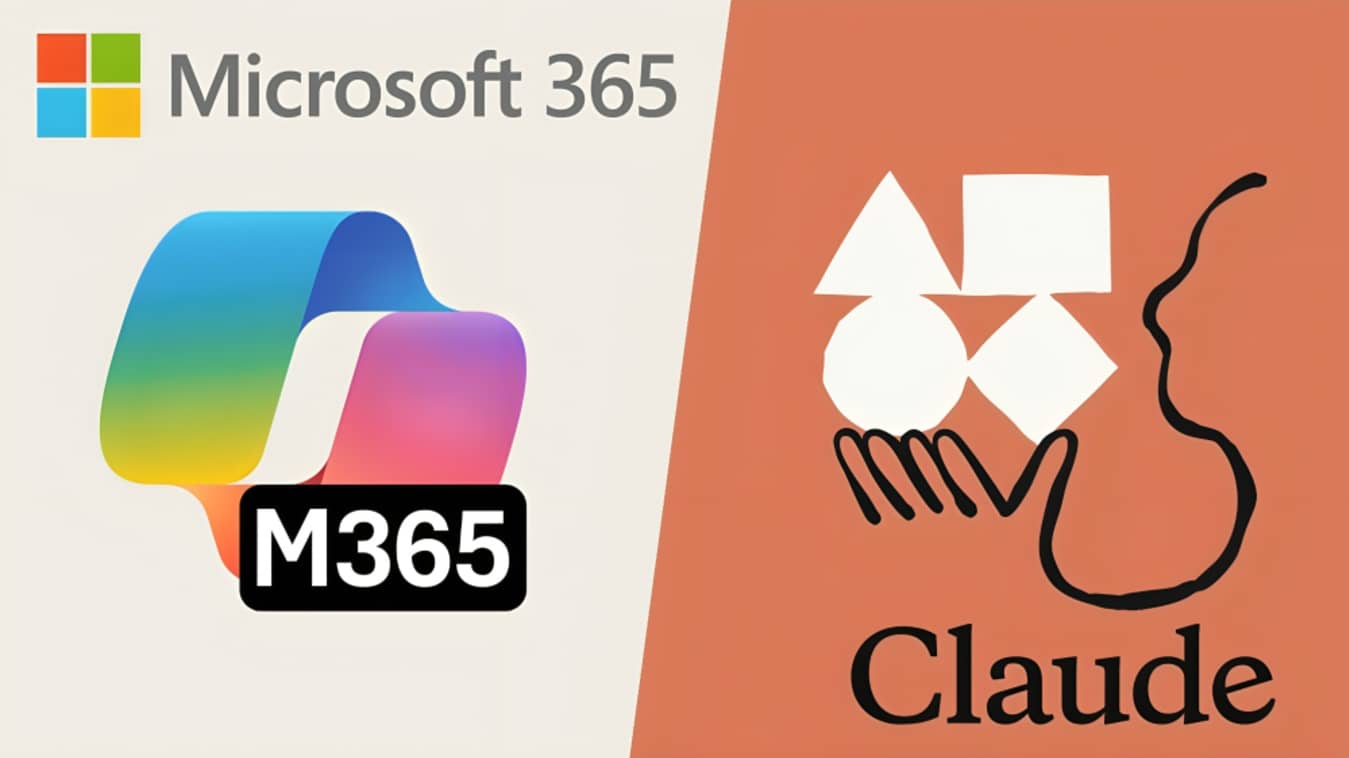

Microsoft has reportedly restricted internal employee access to Anthropic’s artificial intelligence model Claude while its legal and compliance teams evaluate potential data privacy and security risks associated with the system. The move reflects increasing caution among major technology companies regarding the use of third-party AI tools within corporate environments.
According to industry reports, the decision is linked to concerns over how data may be processed, stored, or retained when employees interact with external AI systems. Companies like Microsoft handle large volumes of sensitive information, including internal communications, proprietary research, and customer-related data, making data governance a critical priority.
Artificial intelligence tools such as large language models are widely used for productivity, coding assistance, content generation, and internal research. However, their use in enterprise settings raises questions about data security, compliance with privacy regulations, and potential exposure of confidential information.
Microsoft is reportedly conducting a detailed review of Anthropic’s Claude model to assess whether its data handling practices align with the company’s internal security standards. This includes evaluating how user inputs are processed, whether data is stored for training purposes, and how long such information may be retained.
The precautionary approach highlights a broader trend in the technology sector, where companies are carefully assessing the risks associated with integrating external AI systems into internal workflows. As AI adoption increases, organizations are placing greater emphasis on ensuring that third-party tools meet strict privacy and security requirements.
Anthropic’s Claude model is considered one of the leading competitors in the generative AI space, alongside systems developed by OpenAI, Google, and other technology firms. These models are designed to process natural language tasks and assist users with a wide range of applications, from writing assistance to software development support.
Despite their benefits, enterprise deployment of such models requires careful risk management. Concerns typically include potential leakage of sensitive data, regulatory compliance issues, and the possibility of unintended data retention or reuse in model training processes.
Microsoft itself is a major investor and partner in the artificial intelligence ecosystem, with significant involvement in AI development and deployment through its own platforms and partnerships. The company has integrated AI tools into its productivity suite and cloud services while also establishing internal guidelines for responsible AI use.
Industry analysts note that large corporations are increasingly adopting a cautious stance toward third-party AI models as regulatory scrutiny around artificial intelligence intensifies globally. Governments in multiple regions are developing frameworks to regulate data usage, privacy protection, and algorithmic transparency.
The review of Anthropic’s Claude model is part of this broader industry shift toward stronger governance of AI systems. Companies are seeking to balance the benefits of advanced AI capabilities with the need to protect sensitive information and maintain user trust.
While no official confirmation has been released regarding a permanent restriction, the reported review suggests that Microsoft is prioritizing risk assessment before expanding internal usage of external AI models. The outcome of such evaluations could influence how similar technologies are adopted across the industry.
As artificial intelligence continues to evolve, enterprise users are expected to adopt more stringent evaluation processes before integrating third-party tools. This trend reflects the growing importance of data protection, compliance, and secure AI deployment in modern digital infrastructure.