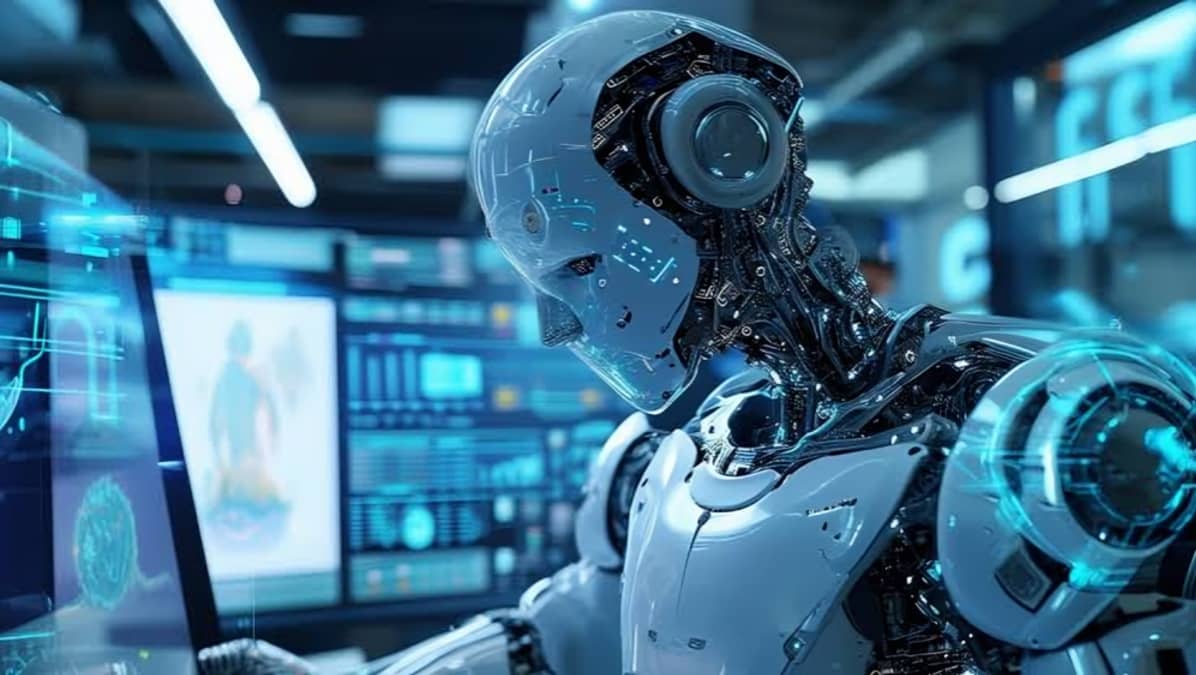

Nvidia is advancing its efforts in artificial intelligence and robotics with the development of a new technology platform designed to improve the safety, awareness, and decision-making capabilities of humanoid robots. The initiative focuses on enabling robots to better understand their surroundings and respond appropriately to dynamic situations, particularly when operating near people.
As humanoid robots become increasingly capable of performing tasks in workplaces, public spaces, and homes, safety has emerged as one of the most important challenges facing the robotics industry. Unlike traditional industrial robots that typically operate in controlled environments, humanoid robots are expected to work alongside humans in unpredictable settings. This requires advanced systems that can continuously assess risks and make decisions that prioritize safety.
Nvidia's new artificial intelligence technology aims to address these challenges by giving robots a more comprehensive understanding of their environment. The system combines machine learning, computer vision, sensor data analysis, and real-time decision-making capabilities to help robots identify obstacles, recognize human movement, and anticipate potential hazards before they occur.
One of the primary objectives of the technology is to reduce the likelihood of mistakes that could lead to injuries or property damage. Humanoid robots often perform tasks involving movement, object handling, and interaction with people. Even minor errors in judgment or environmental awareness could create safety risks. By improving situational understanding, developers hope to make robotic systems more reliable and trustworthy.
Artificial intelligence plays a central role in this process. Advanced AI models can analyze large amounts of visual and sensory information within fractions of a second. This enables robots to distinguish between different objects, interpret human behavior, and adapt their actions based on changing conditions. Such capabilities are essential for safe operation in environments where unexpected events may occur.
Industry experts view safety-focused AI as a critical step toward broader adoption of humanoid robotics. Companies around the world are investing heavily in robotic technologies for manufacturing, logistics, healthcare, retail, hospitality, and personal assistance. However, widespread deployment depends on ensuring that robots can operate safely in close proximity to people.
The development also reflects a broader trend within the artificial intelligence industry. Researchers are increasingly focusing on responsible AI systems that not only improve performance but also enhance reliability, transparency, and safety. These priorities have become particularly important as AI technologies are integrated into physical machines capable of interacting directly with the real world.
Humanoid robots are expected to benefit from advancements in perception and decision-making technologies. Improved environmental awareness may allow robots to navigate crowded spaces, avoid collisions, assist individuals more effectively, and respond appropriately to unexpected situations. These capabilities could expand the range of tasks robots can perform while reducing operational risks.
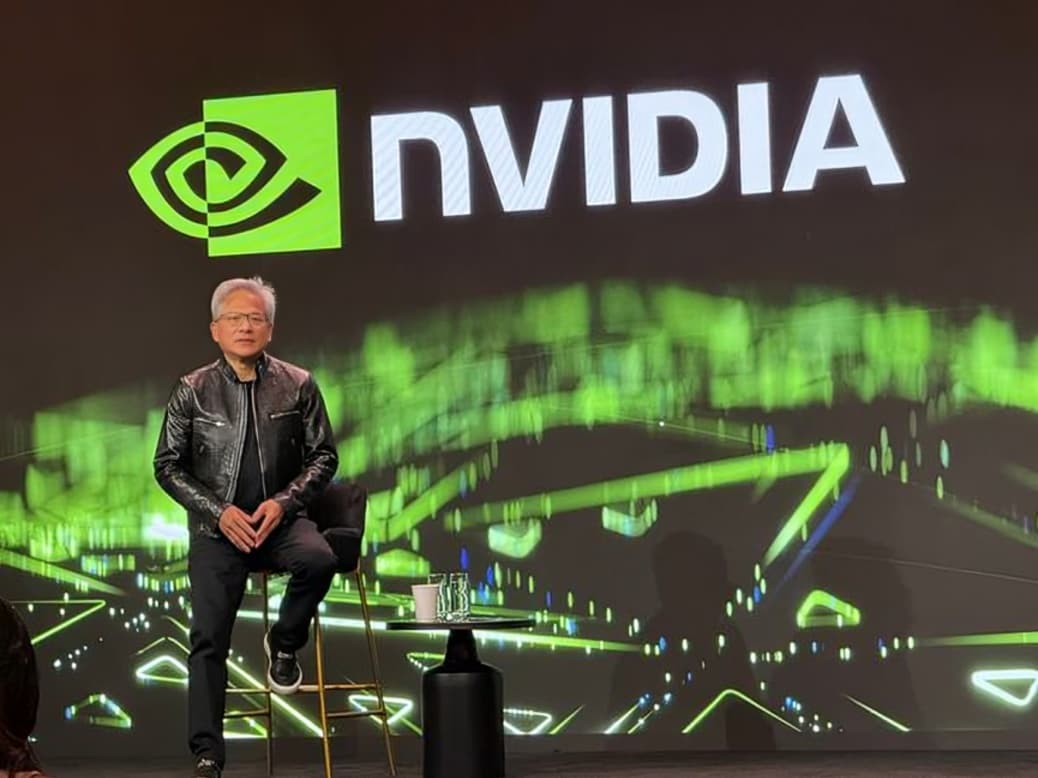
Nvidia has become a major contributor to AI and robotics innovation through its hardware and software platforms. The company's technologies are widely used for machine learning, autonomous systems, simulation environments, and advanced computing applications. Its continued investment in robotics reflects growing industry demand for intelligent machines capable of performing complex tasks safely and efficiently.
Researchers emphasize that safety technologies must evolve alongside robotic capabilities. As robots become more autonomous and versatile, ensuring their ability to make responsible decisions will remain a key requirement for regulatory approval and public acceptance.
The development of advanced AI safety systems may also support future innovations in autonomous vehicles, industrial automation, healthcare technologies, and smart infrastructure. Many of the underlying technologies used to improve robotic awareness can be applied across multiple sectors that rely on intelligent machines.
As the robotics industry continues to expand, technologies that enhance safety and situational understanding are expected to play a crucial role in shaping the next generation of humanoid robots. Nvidia's latest efforts highlight the growing importance of creating intelligent systems that can operate effectively while minimizing risks in real-world environments.