
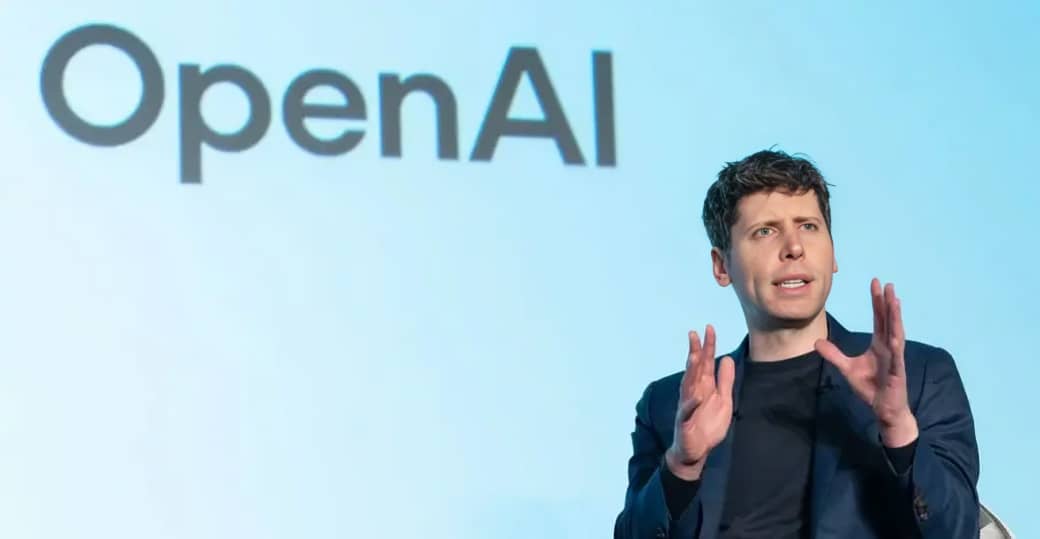
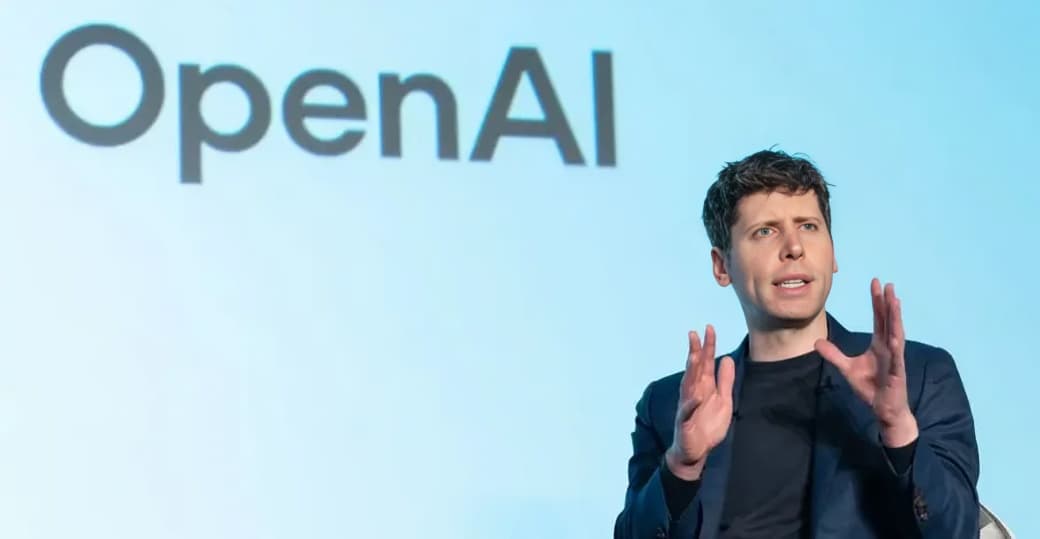
OpenAI has announced that its popular AI chatbot, ChatGPT, will soon incorporate advertisements, a move confirmed by CEO Sam Altman. The decision represents a notable change in strategy, as OpenAI has historically resisted advertising as a revenue source, focusing instead on subscription models and enterprise services.
Altman stated that introducing ads was a “last resort” prompted by rising operational and infrastructure costs. ChatGPT serves millions of users globally, and maintaining the AI’s performance requires substantial computational resources. With growing competition in the AI sector, including from other large language models and emerging startups, OpenAI needs to diversify revenue streams to sustain and enhance its platform.
The planned integration of ads is expected to be carefully implemented to ensure minimal disruption to the user experience. Altman emphasised that maintaining free and subscription-based access would remain a priority. While details on ad formats, frequency, and targeting remain limited, the company has signalled that user experience will guide the rollout.
The move highlights the financial challenges faced by AI developers. Operating large-scale language models involves massive costs related to cloud infrastructure, model training, and ongoing research. Even with premium subscriptions like ChatGPT Plus, revenue alone may not fully offset these expenses, prompting the company to explore supplementary income through advertising.
Despite OpenAI’s previous criticisms of ads, Altman stressed that the decision reflects a practical need rather than a shift in philosophy. The company aims to strike a balance between monetisation and providing a reliable, high-quality AI service to users worldwide. Analysts suggest that ads could also help fund further research, improve features, and support free access for millions of users who rely on ChatGPT for educational, professional, and personal use.
Industry observers note that OpenAI is not alone in monetising AI platforms. Many technology companies offering AI-based services integrate advertising or other revenue streams to cover costs and sustain growth. The challenge for OpenAI will be to implement ads without alienating users who are accustomed to a largely ad-free experience.
The announcement comes at a time when AI adoption is accelerating across industries. Businesses, educators, and individual users increasingly rely on AI tools for productivity, content creation, and decision-making. OpenAI’s decision to introduce ads may set a precedent for other AI platforms facing similar operational pressures.
In summary, ChatGPT’s upcoming integration of advertisements reflects a practical response to rising costs and competitive pressures. While Altman described ads as a last resort, the move is aimed at sustaining and improving the platform while maintaining accessibility for its global user base. Users can expect updates regarding ad implementation in the coming months as OpenAI prepares for this significant change.


