

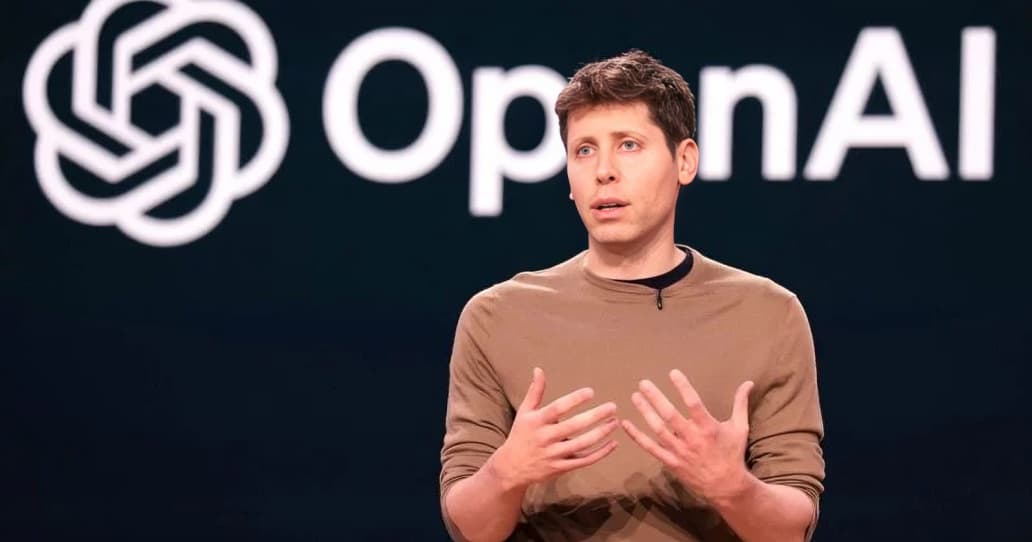
OpenAI, the company behind the widely used AI chatbot ChatGPT, is reportedly working on a new social media platform that could significantly change how people interact online. According to a report by Reuters, the initiative is still in its early development phase and is being managed by a small, specialised internal team. While OpenAI has not officially confirmed the project or announced a launch timeline, the concept has already drawn attention due to its focus on verified human users.
The core idea behind the proposed platform is to tackle one of the internet’s most persistent challenges: the spread of fake accounts, bots, and automated interactions. Unlike traditional social media networks where anonymity and automation are common, OpenAI’s reported plan is to build a network where each account is tied to a real individual.
Sources cited by Reuters suggest that OpenAI may explore advanced identity verification methods, including biometric-based systems, to ensure that users are genuine. Such measures could help prevent the creation of multiple fake profiles and reduce spam-driven engagement. However, the company has not shared specific details about how verification would work or how user privacy would be protected.
The motivation behind the project appears to be a growing concern over the quality of online discourse. Social media platforms today face criticism for enabling misinformation, coordinated bot campaigns, and algorithm-driven amplification of misleading content. By limiting participation to verified humans, OpenAI aims to promote more meaningful conversations and reduce manipulation.
Industry observers note that this approach aligns with OpenAI’s broader mission of responsible AI development. A human-only platform could also serve as a testing ground for AI moderation tools designed to support healthy digital communities rather than distort them.
However, experts also caution that strict verification requirements may raise concerns about accessibility and data security. Biometric or identity-based systems must comply with global privacy regulations and ensure that sensitive user data is adequately protected. Whether OpenAI can balance verification with privacy safeguards remains an open question.
The reported project also places OpenAI in potential competition with established social media companies such as Meta, X, and Google, which have struggled to curb bot activity despite investing heavily in moderation technologies. If successful, OpenAI’s platform could offer a new model for social networking built on trust and accountability.
For now, the project remains exploratory. Reuters reported that the development team is small and that OpenAI has not committed to releasing the platform publicly. The company has also declined to comment on specific features or timelines.
As artificial intelligence continues to shape online spaces, OpenAI’s reported move into social networking highlights a broader industry shift toward rethinking how digital communities are built. Whether the platform eventually launches or remains an internal experiment, it reflects growing efforts to address the challenges of authenticity and trust on the modern internet.


