OpenAI is currently experiencing significant challenges in meeting the rapidly growing demand for its artificial intelligence services, primarily due to constraints in computing capacity. The company has acknowledged that it is unable to accommodate all business opportunities, highlighting the increasing pressure on its infrastructure.
Senior leadership at OpenAI, including Chief Financial Officer Sarah Friar and President Greg Brockman, has openly discussed the situation. They indicated that the company is making difficult decisions regarding which projects and clients to prioritize, as the available computing resources are not sufficient to meet current demand levels.
The surge in demand for AI tools has been driven by their widespread adoption across industries. Businesses are increasingly integrating AI into their operations for tasks such as automation, data analysis, customer support, and content generation. This rapid growth has placed considerable strain on the infrastructure required to support these services.
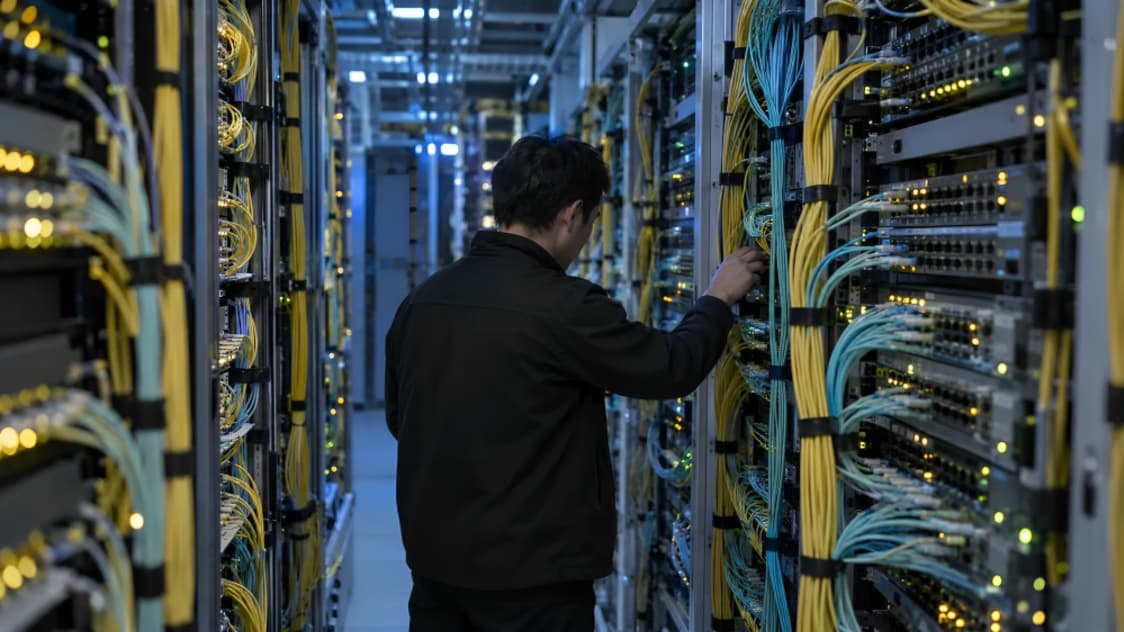
AI systems rely heavily on advanced computing hardware, including high performance processors and large scale data centers. Building and maintaining such infrastructure requires significant investment and time. As demand grows faster than capacity expansion, companies like OpenAI face challenges in scaling their operations efficiently.
Industry experts note that the current situation reflects a broader trend in the technology sector. Many organizations are experiencing similar constraints as they attempt to keep up with the accelerating adoption of AI technologies. The need for robust infrastructure has become a key factor in determining a company’s ability to compete in this space.
OpenAI’s acknowledgment of capacity limitations highlights the importance of resource management in high growth industries. By prioritizing certain projects, the company aims to ensure that it can deliver reliable and high quality services to its existing clients. However, this approach may also mean that some potential opportunities are deferred or declined.
The situation also underscores the critical role of investment in infrastructure development. Expanding computing capacity involves not only acquiring hardware but also addressing challenges related to energy consumption, cooling, and data center management. These factors contribute to the complexity of scaling AI operations.
Despite these challenges, demand for AI services is expected to continue growing. Organizations across sectors are increasingly recognizing the value of AI in improving efficiency and driving innovation. As a result, technology companies are likely to focus on expanding their infrastructure and optimizing resource utilization.
OpenAI’s experience serves as an example of the opportunities and challenges associated with rapid technological advancement. While the adoption of AI presents significant growth potential, it also requires substantial investment in supporting infrastructure.
Looking ahead, the company is expected to continue working on expanding its computing capacity to better meet demand. This may involve partnerships, investments in new data centers, and advancements in hardware and software optimization.
Overall, the current situation highlights the dynamic nature of the technology industry, where innovation and demand often outpace available resources. It also emphasizes the need for strategic planning and investment to sustain long term growth in the AI sector.