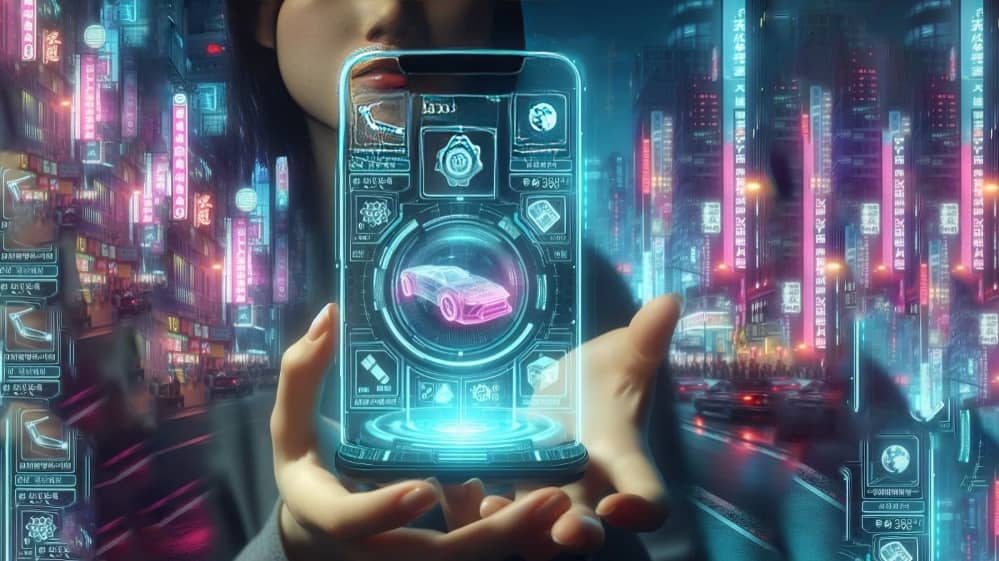
Artificial intelligence company OpenAI is reportedly exploring the development of a smartphone that could fundamentally change how users interact with mobile devices. The concept involves reducing reliance on traditional applications and instead using AI powered agents to perform tasks directly on behalf of users.
According to early reports, the proposed device would integrate advanced artificial intelligence systems capable of handling multiple functions such as messaging, scheduling, searching information, and managing digital tasks without the need to switch between separate apps. The idea represents a shift from app based ecosystems to a more unified AI driven interface.
The concept is still in the early stages, and there is no official confirmation regarding a commercial launch timeline. However, discussions suggest that such a device could potentially emerge in the coming years as artificial intelligence technology continues to advance.
The proposed system would rely heavily on AI agents that can understand user intent and execute tasks autonomously. Instead of opening individual applications, users would interact with a single intelligent system that coordinates actions across different services.
Experts in the technology industry note that this approach could significantly simplify user experience. By reducing the number of steps required to complete tasks, AI driven devices may offer faster and more efficient digital interactions.
However, analysts also highlight several challenges associated with such a transition. These include concerns about data privacy, system reliability, and user control. Ensuring that AI systems make accurate decisions and protect sensitive information will be a key requirement for widespread adoption.
The smartphone market is currently dominated by established platforms that rely on app ecosystems. A shift toward AI centric devices would require major changes in software development, user behavior, and industry standards.
In countries like India, where smartphone usage is rapidly growing, such innovations could have a significant impact. Users increasingly rely on mobile devices for communication, entertainment, education, and financial services, making efficiency and accessibility important factors.
Technology experts suggest that AI driven devices could eventually redefine how digital services are delivered. Instead of downloading multiple apps, users may interact with a single intelligent interface capable of managing various tasks seamlessly.
While the concept is still theoretical, it reflects a broader trend in the technology industry toward AI integration. Companies are increasingly focusing on developing systems that can understand natural language, anticipate user needs, and automate complex workflows.
If successfully implemented, such a device could reduce digital complexity and make technology more accessible to a wider audience. However, it would also require strong safeguards to ensure transparency, security, and user trust.
Industry observers expect further developments in this area as artificial intelligence continues to evolve. The coming years will likely determine whether AI centric devices can move from concept to mainstream adoption.
For now, the idea highlights the growing ambition of technology companies to reshape the future of personal computing through advanced artificial intelligence systems.