The rapid growth of artificial intelligence has sparked widespread discussions about its impact on employment across industries In this context Alex Karp CEO of Palantir Technologies has shared his perspective on which categories of workers may be less vulnerable to job displacement caused by AI
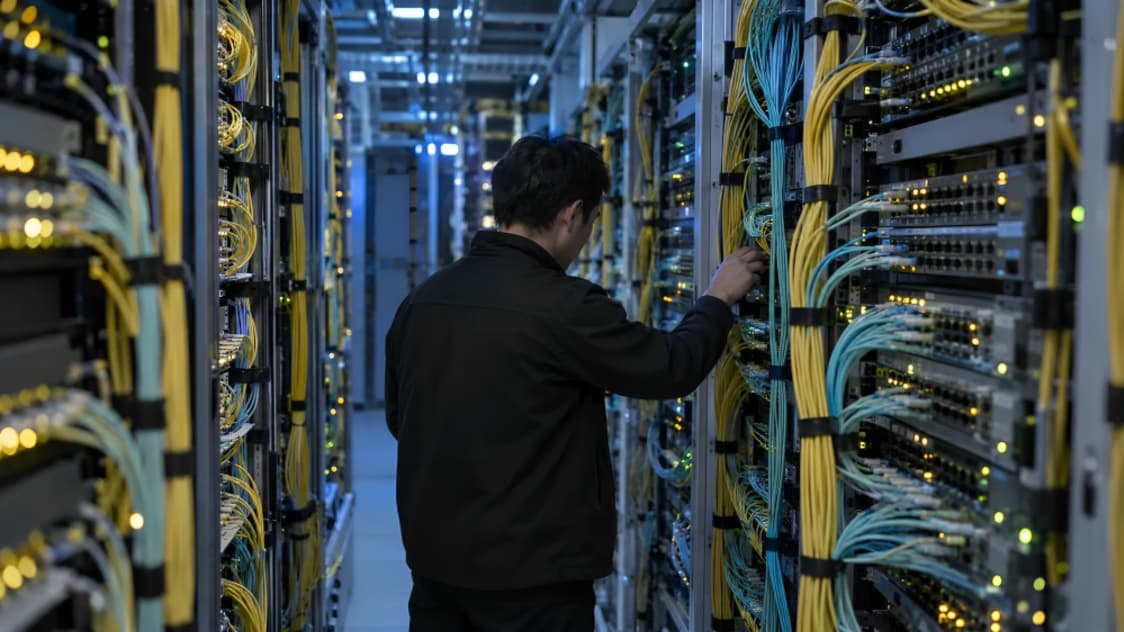
According to Karp individuals with vocational training such as those skilled in trades and hands on professions are likely to remain relatively secure These roles often require practical expertise and real world problem solving abilities that are not easily replicated by automated systems Jobs in areas like construction maintenance and specialized technical services continue to depend on human involvement making them less susceptible to automation
In addition Karp highlighted neurodivergent individuals as another group that may find opportunities in an AI driven world Neurodivergent people often bring unique cognitive abilities including pattern recognition attention to detail and analytical thinking which can be valuable in fields related to data analysis software development and technology operations
Karp also expressed concerns about individuals with conventional skill sets particularly those in roles that involve repetitive or routine tasks As AI systems become more advanced they are increasingly capable of performing such tasks efficiently potentially leading to disruptions in certain job categories
Experts in the field of technology and employment have echoed similar views noting that automation tends to impact jobs that are predictable and rule based Roles that require creativity adaptability interpersonal skills and physical presence are generally considered more resilient
The discussion also reflects a broader shift in the labor market where continuous learning and skill development are becoming essential Workers are encouraged to adapt by acquiring new skills and focusing on areas where human capabilities complement technological advancements
Governments and educational institutions are also exploring ways to prepare the workforce for these changes This includes promoting vocational education and training programs as well as supporting inclusive employment opportunities for diverse groups including neurodivergent individuals
While AI is expected to bring efficiency and innovation it also presents challenges in terms of job displacement and workforce transition Balancing these aspects will require coordinated efforts from policymakers businesses and individuals
Karp’s remarks highlight the importance of understanding the evolving nature of work and identifying areas where human skills remain critical As technology continues to advance the focus is likely to shift towards roles that combine technical knowledge with human insight
Overall the impact of artificial intelligence on employment will vary across sectors but the emphasis on adaptability and specialized skills is expected to play a key role in determining future job security