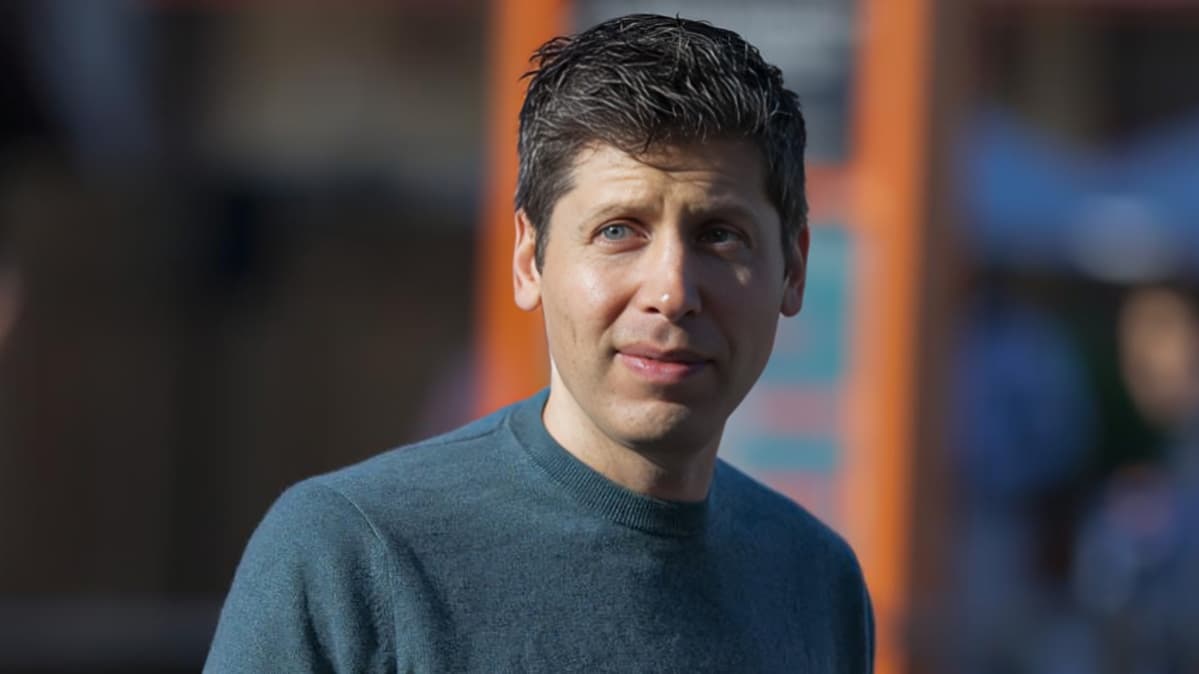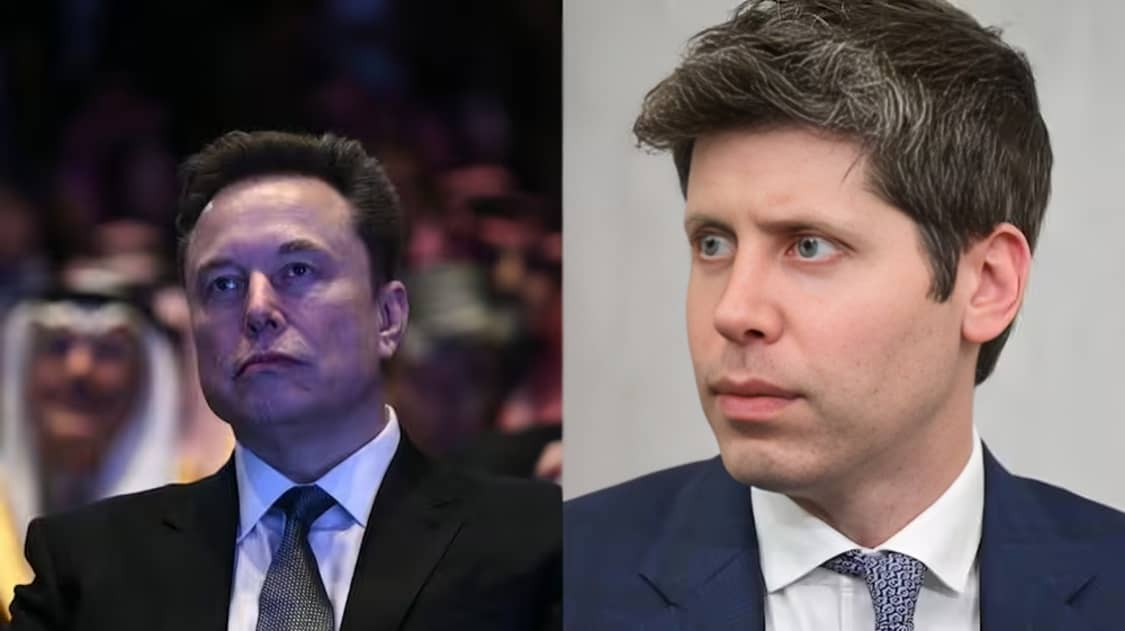
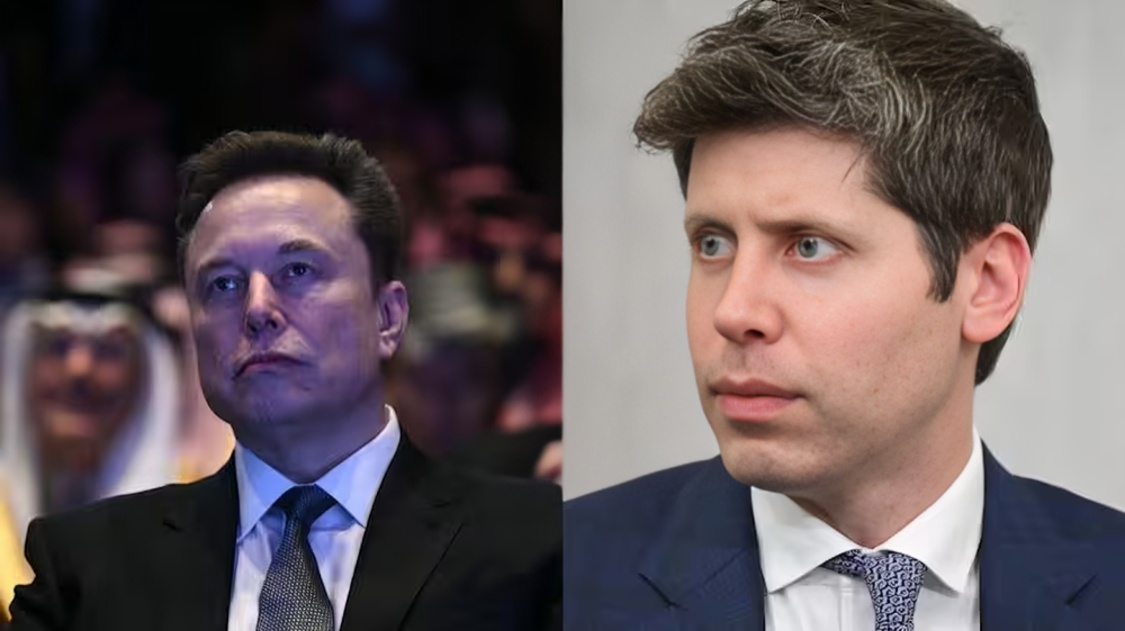
OpenAI CEO Sam Altman has reignited his long-running public dispute with Elon Musk after describing the billionaire as a bully while also saying that he remains willing to work with him.
Altman made the comments during a wide-ranging interview with Vanity Fair. The discussion covered his relationship with Musk, the history of their disagreement, artificial intelligence safety and the need for cooperation among major technology companies.
During the interview, Altman was asked about the possibility of working with Musk despite their highly publicised disagreements. In response, he said that some level of confrontation may be unavoidable and suggested that standing up to Musk is sometimes necessary.
Altman described Musk as a bully and said he believes people who behave that way may respect those who are willing to challenge them. He also made it clear that his criticism does not prevent him from being willing to cooperate with Musk.
Altman said he would still work with Musk, particularly as the artificial intelligence industry faces increasing pressure to coordinate on safety and other issues.
The comments add another chapter to the complicated relationship between the two technology figures. Musk and Altman were both involved in the early development of OpenAI, which was established in 2015 as a nonprofit artificial intelligence research organisation.
Musk later left OpenAI's board in 2018. The relationship between the two subsequently deteriorated, with Musk becoming an increasingly vocal critic of OpenAI and its leadership.
The disagreement has involved questions about OpenAI's original nonprofit mission, its corporate structure and its decision to pursue a more commercial model. Musk eventually filed legal action against OpenAI and Altman.
The legal dispute became one of the most closely watched conflicts in the technology industry. Musk argued that OpenAI had moved away from its founding principles, while OpenAI rejected his allegations and accused him of pursuing tactics that could damage the company and slow its development.
The dispute also moved beyond the courtroom and into social media. Musk has repeatedly criticised Altman and OpenAI in public posts, while Altman has responded to some of Musk's comments.
In July, Musk criticised Altman after a social media post referred to him as "Scam Altman." Musk responded by saying that Altman had taken scamming to a new level. Altman later responded by criticising Musk's support for orbital data centres, an idea that Altman has previously questioned.
Despite these repeated exchanges, Altman's latest comments suggest that he does not consider the personal rivalry an absolute barrier to cooperation.
The possibility of cooperation is particularly relevant because major artificial intelligence companies are increasingly discussing common approaches to AI safety. The industry is facing growing questions about how rapidly advanced AI systems should be developed and how companies should respond to cybersecurity, misuse and other potential risks.
Altman has argued that AI companies need to work with one another as well as with governments and other public institutions. In the Vanity Fair interview, he indicated that there is an opportunity for major technology companies to cooperate more closely.
Recent developments have also demonstrated that competition and cooperation can exist at the same time within the AI sector. Leaders and companies that compete commercially may still communicate about safety standards, cybersecurity threats and responsible development.
Altman has said that there is no single communication channel connecting all major AI leaders, but that executives continue to meet at conferences, participate in calls and hold occasional discussions.
His willingness to work with Musk therefore appears to be connected not only to their personal relationship but also to the wider challenges facing the AI industry.
The relationship between Altman and Musk remains complicated. Their history includes collaboration during OpenAI's early years, disagreements over the organisation's direction, Musk's departure from the company, repeated public criticism and legal action.
In May 2026, a federal jury rejected Musk's legal challenge concerning OpenAI's transition from a nonprofit structure toward a for-profit model. The verdict represented an important development in the dispute, although disagreements between Musk and OpenAI have continued publicly.
Altman has also acknowledged that he does not consider himself beyond criticism. During the interview, he said he would not describe himself as a saint and questioned whether he should be regarded as the main problem in the dispute.
His latest remarks are therefore notable because they combine criticism of Musk with an explicit willingness to cooperate.
The comments also come at a time when the AI industry is facing intense debate over safety and regulation. OpenAI, Anthropic, Google, Nvidia and Musk's AI-related ventures are among the companies involved in discussions about the future development of advanced AI systems.
Altman has generally supported continued AI development while arguing that the benefits of the technology can outweigh certain risks. His position differs from some AI safety advocates who have called for greater caution and slower development.
The continuing disagreement between Altman and Musk illustrates the broader tensions within the technology industry. Companies are competing for market share, talent and computing resources while simultaneously facing pressure to cooperate on issues that could affect the wider public.
For now, Altman's latest position is that disagreements with Musk do not rule out future cooperation. While he remains critical of Musk's behaviour and has defended his decision to respond publicly, he has also said he is prepared to work with him.
Whether such cooperation develops in practice remains uncertain. Their history suggests that disagreements are likely to continue, but Altman's comments indicate that he does not view their rivalry as an obstacle to every form of collaboration.
The remarks are likely to attract further attention because both men remain influential figures in the global AI industry. Their companies and projects are involved in the development of increasingly powerful AI systems, making cooperation on safety and responsible technology development an important issue beyond their personal rivalry.
For readers following the AI industry, the latest comments provide another indication that competition, criticism and potential cooperation can exist simultaneously among its leading figures.