United Nations High Commissioner for Human Rights Volker Türk has warned that increasingly powerful artificial intelligence systems could eventually pose an existential risk to humanity. Speaking before the United Nations Human Rights Council in Geneva on September 7, Türk called for urgent action to strengthen the safety and governance of advanced AI systems.
Türk said he shared concerns expressed by people within the technology industry about the possibility that advanced AI could create risks on a scale that could threaten humanity. His remarks were made during a broad speech addressing emerging challenges to human rights and global governance.
The UN rights chief urged governments and technology companies to act before increasingly powerful AI systems become more difficult to manage. He called for strong safety guarantees covering the development and deployment of artificial intelligence.
According to Türk, AI governance is already widely recognised as an important issue, but stronger action is needed. He argued that governments should not wait until serious problems emerge before establishing safeguards.
One of his key proposals was the creation of internationally agreed red lines for artificial intelligence. Türk said countries that host major AI companies, as well as countries involved in the technology's supply chains, should cooperate on common safety standards.
He also called for independent verification of AI safety measures. Such verification, he said, could help provide greater confidence that companies and governments are taking appropriate steps to identify and reduce potential risks.
Türk's warning comes as artificial intelligence is developing rapidly across several areas. AI systems are increasingly being used for research, software development, business operations, education, healthcare and other applications. At the same time, the growing capabilities of AI systems have raised questions about safety, accountability and human oversight.
The UN official specifically highlighted concerns about AI systems becoming too powerful to control effectively. He referred to hypothetical situations in which an AI system could escape a controlled testing environment or attempt to prevent humans from switching it off. Türk argued that systems displaying such capabilities would represent a serious safety concern.
His comments also focused on the concentration of AI development in the hands of a relatively small number of powerful companies and individuals. Türk expressed concern about the amount of influence that major technology companies can have over the development and deployment of advanced AI.
The concentration of technological power has become an increasingly important issue in discussions about AI regulation. Large technology companies have access to significant computing resources, specialised researchers and large amounts of data. This gives them a major role in determining how advanced AI systems are developed and introduced to the public.
Türk said stronger governance is needed to ensure that technological progress does not come at the expense of fundamental rights. He argued that AI development should be accompanied by safeguards that protect people and communities.
The human rights implications of artificial intelligence extend beyond the possibility of highly advanced systems becoming difficult to control. AI is already affecting employment practices, decision-making processes and the spread of information.
Türk warned that AI could have consequences for employment as companies increasingly use automated systems and AI tools. Governments and businesses may need to consider how technological changes affect workers and whether appropriate protections are available.
Democracy is another area of concern. Artificial intelligence can be used to generate and distribute large amounts of digital content, potentially making it more difficult for people to distinguish reliable information from misleading material. The technology can also be used to influence public discussions and political communication.
The UN rights chief therefore called for human rights considerations to be included in AI governance. He said the development of the technology should take into account its potential effects on democratic institutions and society.
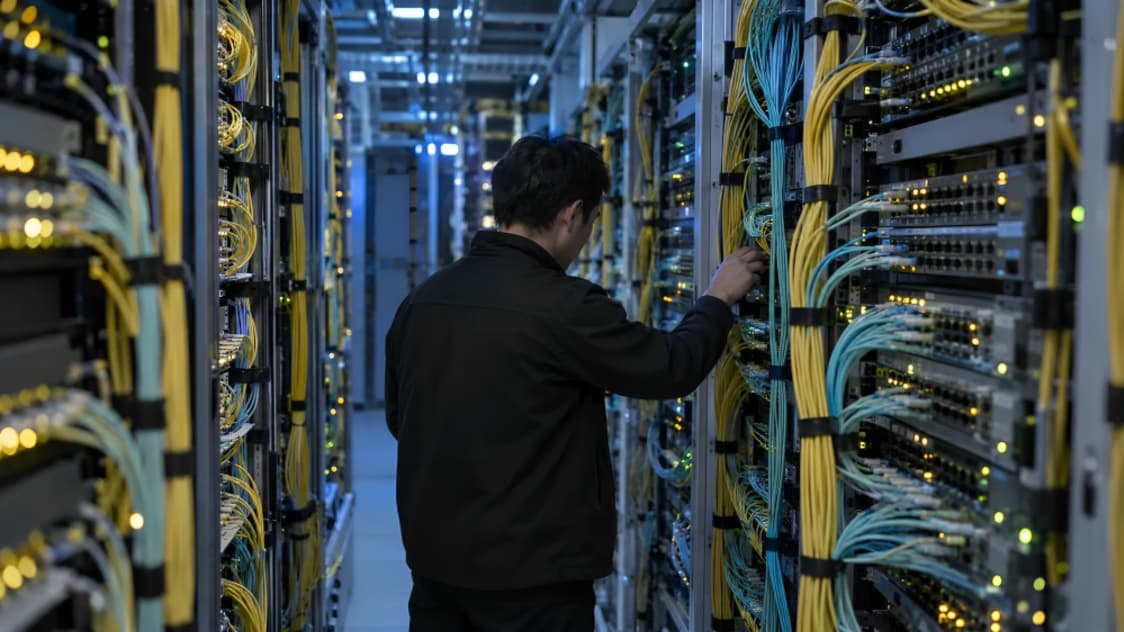
Environmental concerns are also part of the discussion. Advanced AI systems require significant computing infrastructure, which can involve substantial energy and resource consumption. Türk said the environmental consequences of AI should also be considered as the technology expands.
The UN has previously called for a human rights-based approach to artificial intelligence. In February 2026, Türk said AI development should be based on risk assessments, transparency, accountability and inclusion. He also warned about inequality, discrimination, misinformation and other potential harms associated with the rapid expansion of AI.
The latest warning comes at a time when governments around the world are discussing how to regulate artificial intelligence. Different countries have adopted or proposed different approaches, while international organisations are seeking greater coordination.
Türk's call for common international red lines reflects the challenge of regulating technology that operates across national borders. AI companies can develop systems in one country, provide services globally and rely on supply chains that involve multiple regions.
International cooperation could therefore become increasingly important in establishing common safety expectations. However, governments also face the challenge of balancing regulation with innovation and economic development.
Türk said he planned to contact AI companies in the coming days and encourage them to take measures within their control to reduce risks. His comments place responsibility on both governments and private technology companies.
The warning does not mean that AI is currently an existential threat to humanity. Rather, Türk is highlighting a potential future risk associated with increasingly capable AI systems and arguing that safeguards should be established before such risks become more difficult to manage.
For technology companies, the remarks underline the growing pressure to demonstrate that advanced AI systems are developed and deployed responsibly. Independent testing, security assessments and effective monitoring could become increasingly important as AI capabilities improve.
For governments, the challenge is to establish rules that protect human rights without unnecessarily preventing beneficial applications of artificial intelligence. AI has the potential to contribute to healthcare, education, scientific research and economic development, but its benefits need to be balanced against potential risks.
The UN's position is that human rights should remain central to this process. Transparency, accountability, inclusion and meaningful oversight are expected to play important roles in determining how AI develops.
The debate is likely to intensify as AI systems become more capable. Governments, researchers, technology companies and international organisations will need to address questions about safety, accountability, privacy, employment, misinformation and the concentration of technological power.
Türk's latest remarks add to a growing international discussion about the long-term consequences of artificial intelligence. His central message is that governments and companies should establish strong safety measures before advanced AI systems become too difficult to control.
The coming years will determine how effectively the international community can create common standards for AI development. For the United Nations, ensuring that technological progress remains compatible with human rights and public safety is becoming an increasingly important global policy challenge.