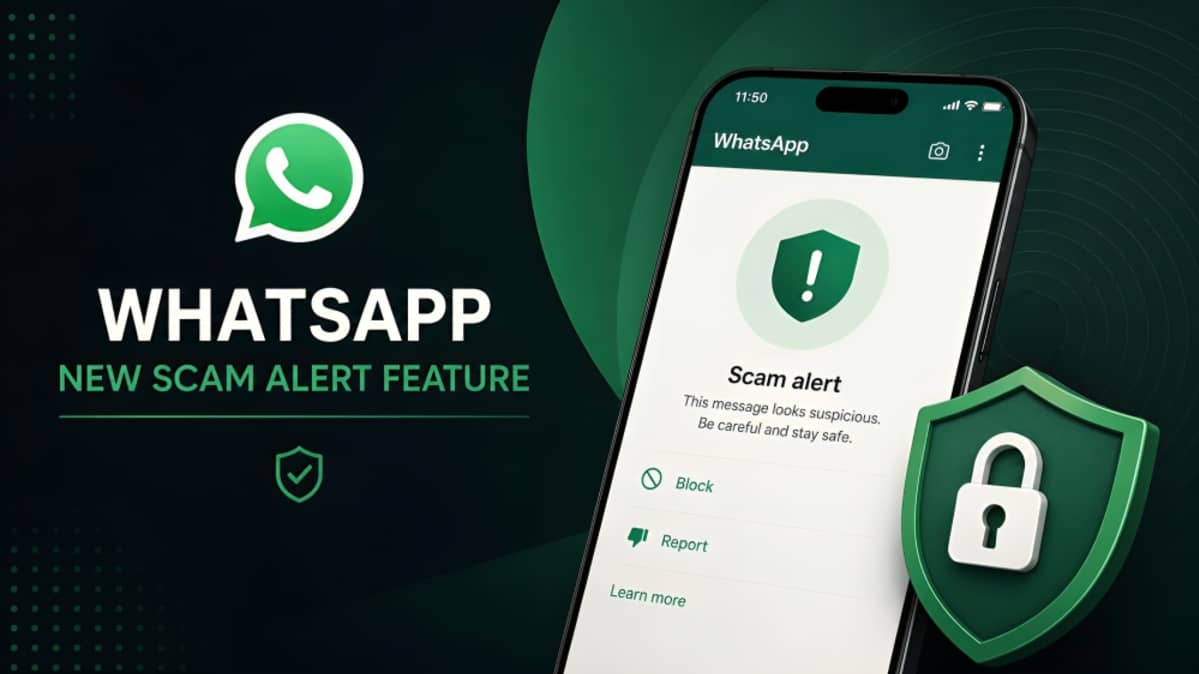
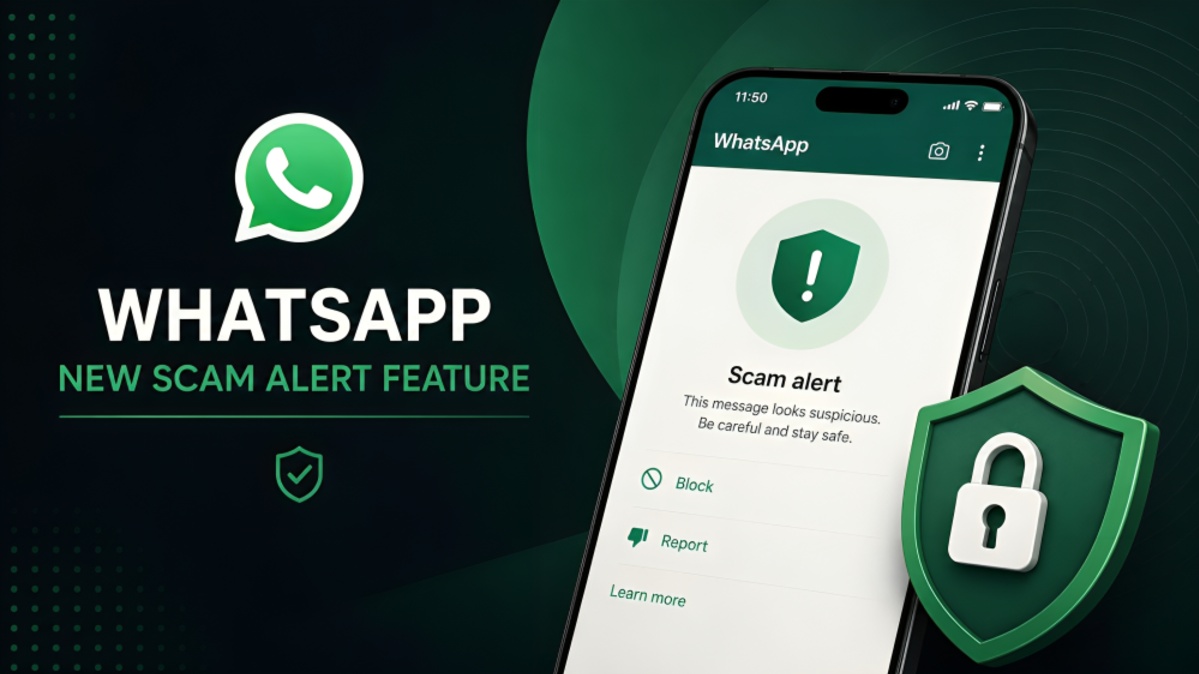
WhatsApp is testing a new Scam Alert feature that uses artificial intelligence and machine learning to help users identify potentially fraudulent messages before they become victims of a scam.
The new feature is being introduced as an optional security tool and is currently available through a limited beta rollout. WhatsApp says the system has been designed to strengthen scam protection while maintaining the privacy protections provided by end to end encryption.
How the WhatsApp Scam Alert Feature Works
The Scam Alert system uses a machine learning model that runs directly on the user's device. Instead of sending the content of a private conversation to WhatsApp or Meta for analysis, the device itself evaluates information that may indicate suspicious activity.
The system is designed to identify patterns associated with scams, including suspicious conversational structures and other signals that may indicate fraudulent activity. This approach allows WhatsApp to introduce an additional layer of protection without requiring the platform to read the user's private messages.
The feature is particularly focused on conversations involving people who are not already known to the recipient. Scammers frequently contact users through unfamiliar numbers and attempt to build trust before requesting money, personal information or access to accounts.
Privacy Remains a Key Focus
Privacy is one of the main aspects of the new feature. WhatsApp says the machine learning classification takes place on the device, meaning the message content does not have to leave the phone for the scam detection process.
This approach is intended to work alongside WhatsApp's existing end to end encryption. The company says the new system is being developed with verifiability and privacy protections in mind.
The company has also made the Scam Alert feature optional. Users can therefore decide whether they want to use this additional protection.
What Happens When a Scam Is Detected
When WhatsApp identifies a conversation as potentially suspicious, the user can receive a warning. The warning is designed to help the person pause and consider whether the conversation is legitimate before continuing.
Users can then decide what action to take. Depending on the situation, available options can include blocking the sender, reporting the conversation or continuing the chat if the warning is considered incorrect. Users can also mark a conversation as trusted in supported versions of the feature.
Importantly, the system does not automatically report every conversation that it identifies as potentially suspicious. The user remains involved in deciding what to do after receiving the warning.
Why WhatsApp Is Introducing the Feature
Online scams have become increasingly sophisticated, with fraudsters using impersonation, social engineering and AI generated messages to make their communications appear more convincing.
Scammers may pretend to be friends, relatives, company representatives or financial service providers. They can also create urgency by claiming that a payment must be made immediately or that an account is about to be blocked.
WhatsApp says its scam protection efforts are evolving as criminal groups adopt new methods. The company has previously introduced security measures designed to protect users from suspicious activity, and Scam Alert is intended to add another layer of protection.
Limited Beta Testing
The Scam Alert feature is not yet a universal WhatsApp feature. It is currently undergoing limited beta testing, allowing WhatsApp and security researchers to examine how the system performs and identify possible weaknesses before a broader rollout.
WhatsApp has said that it is sharing technical details of the system early so that researchers can examine its security properties.
This testing stage is important because AI based scam detection can sometimes produce incorrect warnings. A legitimate conversation could potentially resemble patterns associated with fraudulent activity, while sophisticated scammers may attempt to avoid detection.
What Users Should Know
The new feature should be viewed as an additional security layer rather than a guarantee that every scam will be detected. Users should continue to be cautious when receiving unexpected messages, particularly when someone asks for money, passwords, verification codes, banking information or other sensitive details.
Users should independently verify the identity of anyone making an unusual financial or personal request. Clicking unfamiliar links or sharing one time passwords can also expose accounts to significant risks.
The introduction of Scam Alert demonstrates how messaging platforms are increasingly using on device artificial intelligence to balance security and privacy. Instead of sending private conversations to a central server for analysis, WhatsApp is attempting to perform the detection process locally.
If testing is successful, the feature could eventually become more widely available. For now, users should check their WhatsApp settings and official announcements rather than relying on unofficial claims about the feature's availability.
The development marks another step in WhatsApp's efforts to protect users from increasingly sophisticated digital fraud while maintaining its focus on private messaging