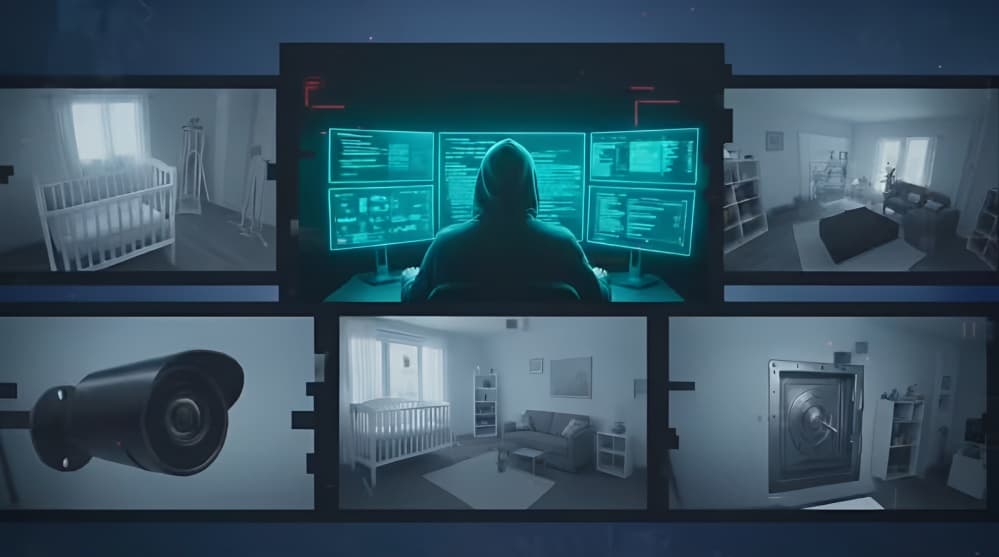
South Korea is facing a major cybersecurity crisis after reports emerged that approximately 120,000 home and business security cameras were hacked, resulting in the creation and online distribution of sexually exploitative videos. The breach, which affected both private residences and commercial establishments, has sparked alarm over the vulnerabilities in connected surveillance systems and the privacy risks associated with smart home technology.
According to South Korean police, hackers gained unauthorized access to cameras, capturing footage without the knowledge or consent of the device owners. Many of the videos were then uploaded and illegally sold on adult websites, exposing victims to significant personal and reputational harm. Law enforcement agencies are currently conducting extensive investigations to identify the perpetrators, remove the illicit content from online platforms, and hold the criminals accountable under the law.
The incident has raised concerns over the security of IoT (Internet of Things) devices, particularly in homes where connected cameras are commonly used for monitoring and safety purposes. Experts note that many security cameras are sold with default passwords or outdated firmware, which hackers can exploit to gain unauthorized access. The breach serves as a stark reminder of the importance of cybersecurity practices for all connected devices.
Authorities are advising residents and business owners to take immediate preventive measures, including updating camera software, changing default passwords, enabling two-factor authentication, and reviewing privacy settings. Regular audits of IoT devices are recommended to ensure that no unauthorized access occurs.
This large-scale hacking incident has triggered widespread public concern in South Korea, with calls for stricter regulations on smart device manufacturers to ensure robust security protocols. Digital rights activists argue that manufacturers must implement end-to-end encryption and improve vulnerability patching processes to protect consumers.
In addition to technical solutions, authorities are emphasizing legal action. The South Korean government has pledged to strengthen cybersecurity legislation, increase penalties for privacy violations, and enhance monitoring of online platforms distributing illicit content. Collaborative efforts between tech companies, law enforcement, and cybersecurity experts are expected to play a crucial role in addressing such threats.
The breach has also highlighted global concerns regarding the safety of smart homes and connected devices. As more households rely on IoT technologies for convenience and security, the risk of hacking and privacy invasion grows. Experts suggest that users remain vigilant and follow best practices to protect personal data, including using secure networks, regularly updating devices, and monitoring unusual activity.
In conclusion, the hacking of 120,000 security cameras in South Korea underscores the urgent need for stronger cybersecurity measures, responsible device usage, and regulatory oversight. While authorities work to investigate the perpetrators and mitigate the damage, the incident serves as a wake-up call for users worldwide to safeguard connected devices against digital threats.