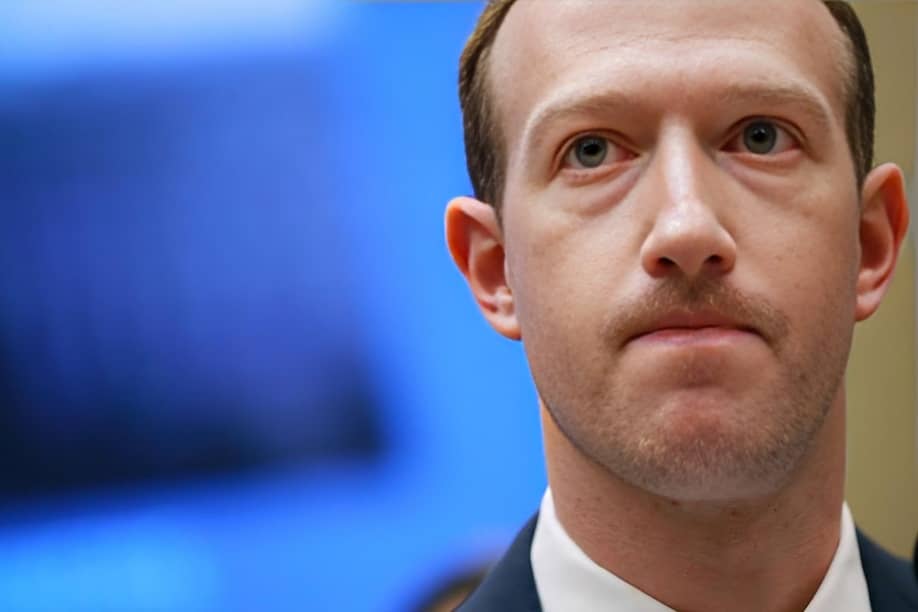
Meta CEO Mark Zuckerberg is facing renewed attention after Telegram founder Pavel Durov shared a decades old screenshot on social media platform X, allegedly showing Zuckerberg making derogatory remarks about Facebook users who trusted the platform with their personal data. The resurfacing of the image has coincided with growing online criticism surrounding privacy concerns and encryption practices on Meta owned platforms, particularly WhatsApp.
Durov, who has often positioned Telegram as a privacy focused alternative to WhatsApp, posted the screenshot while mocking Meta’s stance on user data protection. The image, which is said to date back to Facebook’s early development phase, allegedly shows Zuckerberg expressing surprise at how easily users shared personal information online. Although the authenticity of the screenshot has not been independently verified, it has triggered widespread discussion across social media.
The controversy comes at a time when WhatsApp’s end to end encryption has been questioned by users and privacy advocates. While Meta has repeatedly stated that WhatsApp messages are fully encrypted and inaccessible to the company itself, critics argue that metadata collection and integration with Meta’s broader ecosystem raise concerns about user privacy.
Meta has not officially responded to Durov’s post or the resurfaced screenshot. However, the company has consistently maintained that its encryption standards meet global security benchmarks and that user data is protected under strict privacy policies. WhatsApp, in particular, has highlighted that neither Meta nor third parties can read private messages or listen to calls.
Pavel Durov, meanwhile, has frequently criticised Meta’s business model, which relies heavily on targeted advertising driven by user data. Telegram, under his leadership, has promoted features such as minimal data retention, optional anonymity, and open source encryption protocols. Durov has also been vocal about resisting government surveillance and corporate data monetisation.
Technology analysts note that the renewed controversy highlights a long standing debate in the digital economy: the balance between free services, user data, and corporate accountability. Social media platforms often depend on advertising revenue, which incentivises data collection, while users increasingly demand stronger privacy safeguards and transparency.
The incident has also revived public memory of Meta’s past controversies, including the Cambridge Analytica scandal and repeated regulatory scrutiny in the United States, Europe, and India. These events have shaped public perception of Meta’s approach to data governance and trust.
In India, where WhatsApp is the most widely used messaging platform, privacy concerns carry particular weight. The country’s evolving data protection laws and ongoing debates over digital rights have placed global technology companies under closer observation.
While the alleged remarks attributed to Zuckerberg are from an early period in Facebook’s history, their circulation underscores the lasting impact of trust in technology platforms. As competition between messaging services intensifies, privacy narratives are likely to play a central role in shaping user choice and regulatory action in the years ahead.