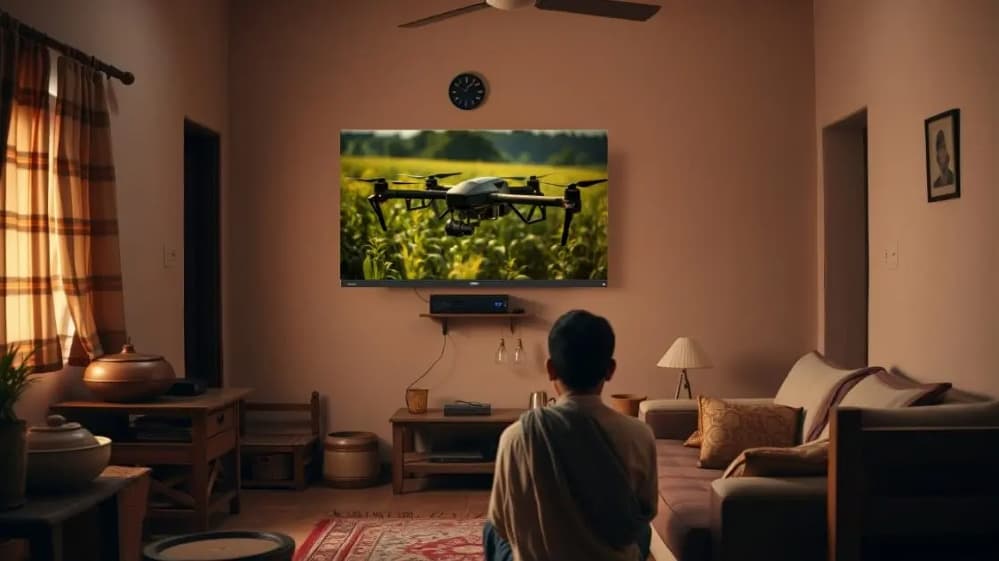
The popularity of smart TVs in India has transformed the way people consume television content. With internet-enabled devices, viewers can access over 150 free channels through streaming apps, requiring only a stable internet connection. This has made smart TVs an affordable and versatile entertainment option for millions of households across the country.
However, recent regulatory changes and licensing issues are poised to affect this ecosystem. Industry experts suggest that over 130 million viewers could lose access to free-to-air channels currently available on smart TVs. The potential disruption arises from compliance requirements under broadcasting regulations, which govern licensing, content distribution, and the provision of free channels on digital platforms.
The trend of shifting from traditional cable or satellite television to smart TVs has accelerated in recent years. Consumers enjoy the convenience of on-demand access, personalized viewing experiences, and a wider range of content without additional subscription fees. Apps like DD Free Dish and other third-party platforms have made it possible to watch news, entertainment, and educational programming for free.
The impending changes, however, could alter this landscape. Regulatory authorities are reviewing licensing agreements and ensuring that all channels provided through smart TVs comply with updated rules. Channels that fail to meet compliance standards or lack proper distribution licenses may be removed from the platforms. This could result in a significant reduction in free content availability for viewers.
Manufacturers of smart TVs are also impacted, as they may need to update software and applications to align with the new regulations. Service providers and app developers are required to ensure that only authorized and compliant channels are accessible to users. These adjustments could involve technical modifications, compliance audits, and renegotiations with content providers.
For viewers, the changes may mean losing access to channels they currently watch for free, or experiencing interruptions until service providers implement the necessary adjustments. Experts suggest that users should stay informed about updates from manufacturers and app developers to understand which channels will remain available and whether alternative options are provided.
The situation highlights the balance between regulatory oversight and consumer convenience. While rules are intended to ensure fair distribution and protect intellectual property rights, they may also temporarily disrupt access to free content. Industry analysts predict that companies will adapt over time, introducing compliant channels and alternative free offerings to maintain consumer satisfaction.
The impact of these changes underscores the importance of understanding licensing and regulatory frameworks in the digital media space. For the Indian smart TV market, this period represents a transition phase, as stakeholders adjust to legal requirements while striving to preserve the user experience.
In summary, while smart TVs have dramatically expanded access to free television content in India, regulatory compliance issues could soon affect millions of viewers. Manufacturers, service providers, and regulatory authorities are working to navigate these changes, and consumers are advised to stay informed about the evolving landscape of free-to-air channels.