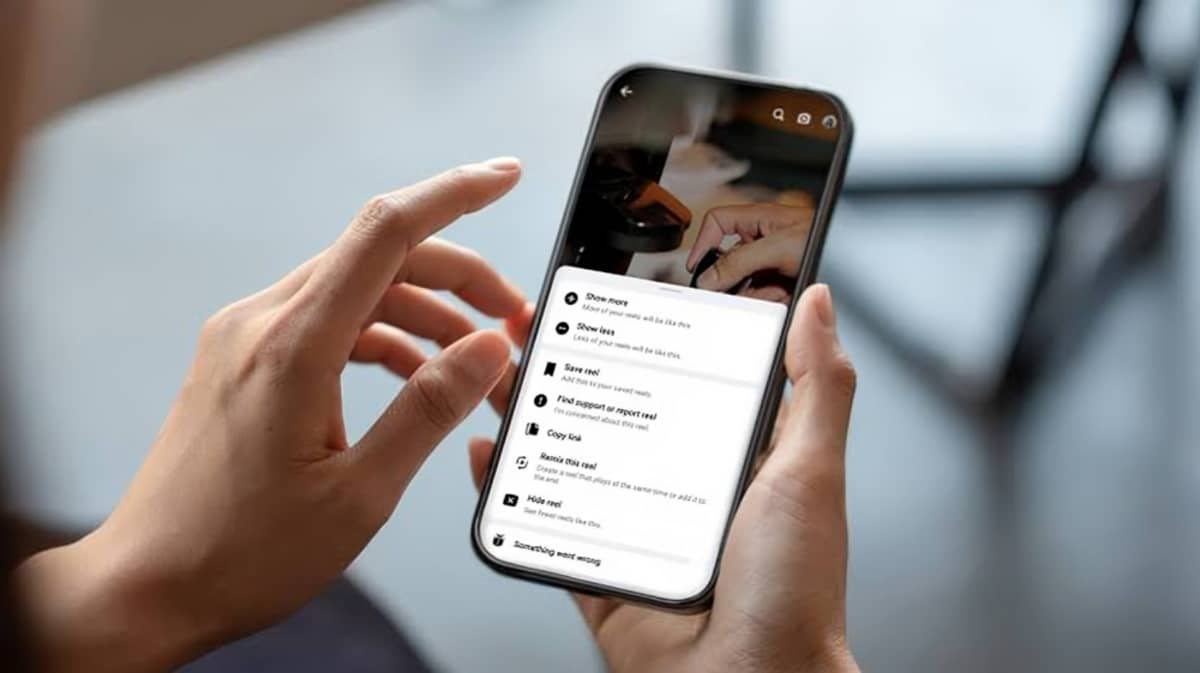
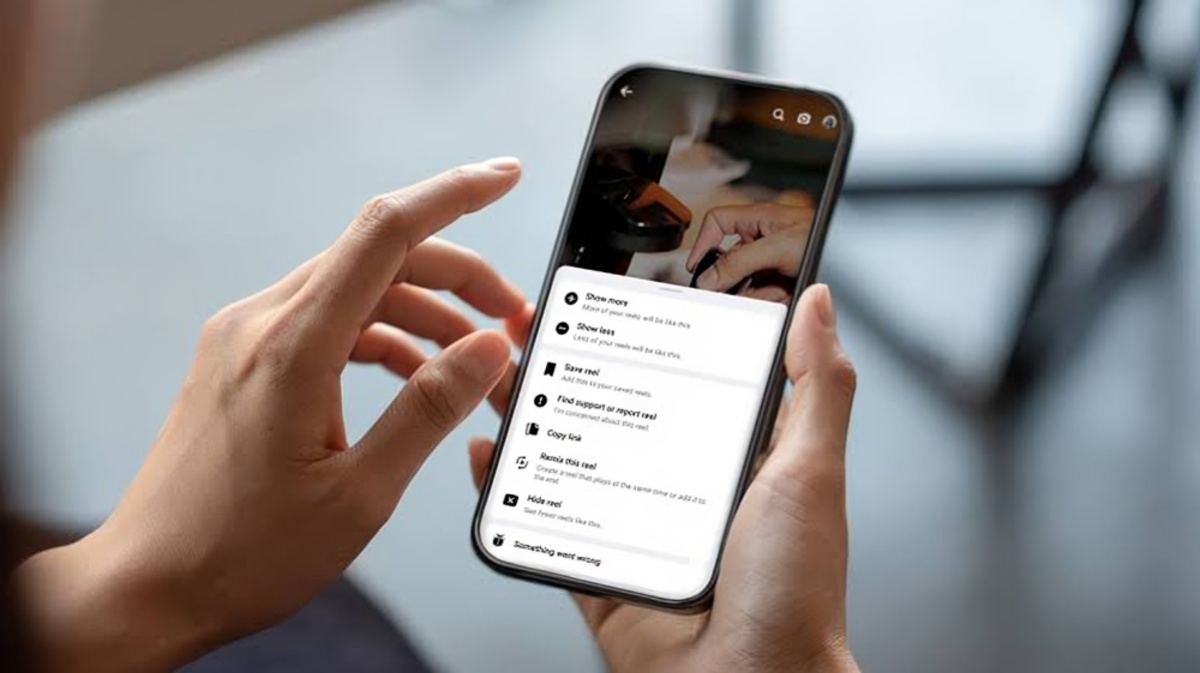
Meta has started testing a new Reels first experience on Facebook in India, giving selected users a redesigned way to interact with the social media platform.
Under the test, some Facebook users in India are taken directly to a full screen video experience when they open the application. Instead of seeing the traditional Feed containing posts from friends, pages and groups, these users initially see video content in a Reels focused interface.
The change represents another step in Meta's effort to make video a more central part of Facebook. However, the company is not removing the traditional Facebook Feed as part of the current experiment.
Users who are included in the test can choose to return to the Feed first experience. Meta has also said that the Classic Feed will remain available as a separate tab within the Facebook application.
The current experiment is therefore different from a permanent redesign of Facebook for all users. It is being tested with a limited group of people, allowing Meta to assess how users respond to a video first interface before potentially expanding the experience to additional markets.
The test was first outlined by Facebook head Tom Alison earlier in 2026. At the time, Alison said the company planned to experiment with a redesigned Facebook experience for people who show a preference for watching more video on the platform.
Meta said the new experience was intended to provide a more immersive and visual environment. The company has increasingly focused on video because users are spending significant amounts of time watching short form, long form and live content on its platforms.
India appears to be an important market for this experiment because of the large number of people using Meta's services and the strong popularity of short form video.
According to figures shared by Meta and reported by TechCrunch, 97 percent of people surveyed in India said they watched video on Meta platforms every day. Meta also said that 89 percent of Gen Z respondents in India used Reels daily. These figures have helped the company position Reels as an important part of the country's digital video ecosystem.
The new Facebook experiment follows several earlier changes that have increased the importance of Reels across Meta's platforms.
In 2025, Facebook announced that all new videos posted to the platform would be shared as Reels, regardless of their length or format. The company also renamed its Video tab as the Reels tab as part of the move toward a unified video publishing and viewing experience.
Meta said the change would not mean that Facebook would only contain short videos. The company continued to support short form, long form and live video while bringing them together through the Reels experience.
The latest test goes a step further by changing what some users see first when they launch the Facebook application.
Traditionally, Facebook opens with the Feed, where users can see updates from friends, pages, groups and other accounts. The new experiment instead places full screen video at the beginning of the user journey.
For users who frequently watch Reels, the change could make it easier to discover videos without navigating to a separate section of the application.
The system is also designed to provide Meta with more information about how users interact with video when it becomes the first screen they see. The company can use engagement patterns and user feedback to assess whether the new design improves video discovery and viewing.
At the same time, Meta has retained the traditional Feed for users who prefer text, photographs, links, group updates and other forms of content.
This means the experiment does not currently signal the end of the Facebook Feed. Instead, it gives some users a different starting point while preserving the familiar Feed as another option.
The development is particularly significant for Facebook because the platform has historically been associated with a mixed content Feed rather than a video only interface.
Meta's growing emphasis on Reels reflects broader changes in how people consume social media content. Short form video has become an important format for entertainment, creator content, product discovery and online communities.
Facebook is also trying to attract younger users and increase engagement with creators. A stronger focus on video could help the platform compete more directly with other social media services where short form video is already a major part of the user experience.
India has previously been an important testing market for Meta's video related features.
In 2020, Instagram began testing a dedicated Reels tab in India after the government banned TikTok in the country. Meta later tested a Reels first experience on Instagram for selected users in India and South Korea.
The latest Facebook experiment follows a similar approach by placing video at the centre of the opening experience for selected users.
India is also one of Meta's largest markets. According to figures cited in recent reports, Facebook has an audience of more than 400 million people in the country. The size of the Indian user base makes the market important for testing major changes to Facebook's design and video strategy.
For ordinary Facebook users, the immediate impact of the test will depend on whether their account has been selected. Most users may continue to see the traditional Feed when they open the application.
Users who are part of the experiment may notice that Facebook opens directly to a full screen video. They can reportedly return to the regular Feed if they do not want the Reels first experience.
Meta has not announced that the Reels first interface will become the permanent default for every Facebook user in India. The company is expected to evaluate the results of the experiment before deciding whether to expand it.
The test also demonstrates how Facebook's role as a general purpose social network is gradually changing. While text updates, photographs, groups and community discussions remain important, video is becoming increasingly central to the platform's design.
Meta's earlier updates have already brought short form, long form and live videos into a more unified viewing environment. The Reels first experiment takes that strategy further by changing the first screen shown to selected users.
For content creators, the development could potentially increase the importance of video on Facebook. If the Reels first experience is expanded in the future, creators may receive greater exposure through a video focused opening screen.
However, the current experiment should not be interpreted as a guarantee of increased reach for every creator. Facebook's recommendations remain personalised, and video distribution depends on factors including user interests, engagement and the platform's recommendation systems.
For users, the main change is the possibility of seeing a full screen video immediately after opening Facebook. The traditional Feed will continue to be accessible, and Meta has provided an option for test users to return to the Feed first experience.
The company is therefore testing how far it can move Facebook toward a video first platform without removing the features that have traditionally defined the social network.
If the experiment produces positive results, Meta could eventually consider expanding the Reels first experience to more users or additional markets. However, any broader rollout would depend on the results of the current testing phase.
For now, Facebook's Reels first experience remains an experiment in India rather than a permanent replacement for the traditional Feed.