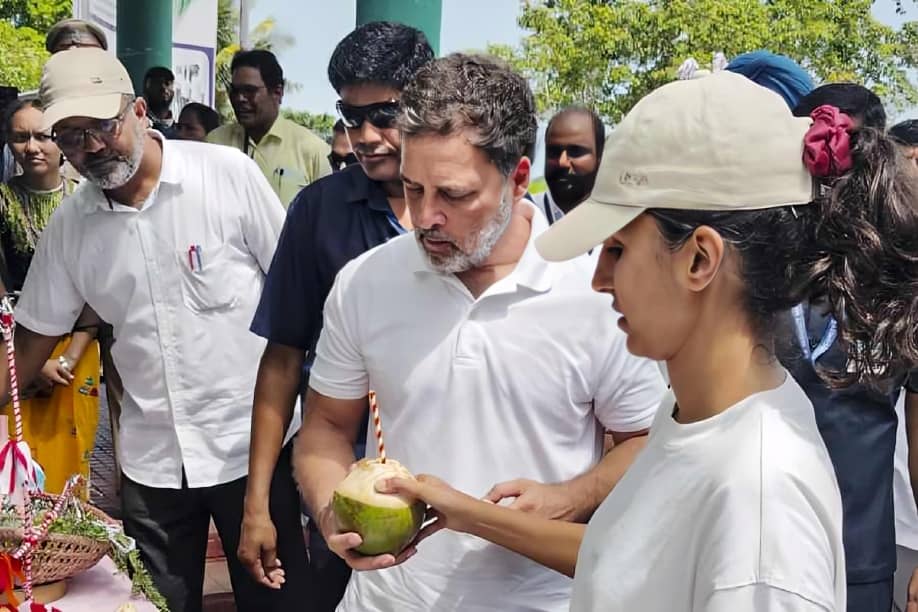

A political debate has intensified over the Great Nicobar development project after senior Congress leader Rahul Gandhi raised concerns about its potential environmental and social impact. He described the project as a serious issue, alleging that it could harm the region natural ecosystem and affect indigenous tribal communities living on the island.
The Great Nicobar project is a large scale infrastructure initiative proposed by the Government of India. It aims to transform the island into a major hub for economic and strategic activities. Key components of the project include the development of a transshipment port, an international airport, power infrastructure and urban facilities. The government has highlighted that the initiative is designed to improve connectivity, create employment opportunities and strengthen India presence in the region.
Rahul Gandhi, however, has criticised the project, stating that it may result in the cutting down of a large number of trees and lead to the displacement of tribal populations. He expressed concerns that such actions could have long term consequences for biodiversity and the cultural heritage of indigenous communities. His remarks have drawn attention to the balance between development and environmental conservation.
Environmental groups and activists have also raised questions about the ecological impact of the project. The Great Nicobar Island is known for its rich biodiversity, including unique plant and animal species. It is also home to vulnerable tribal groups whose way of life is closely linked to the natural environment. Experts have pointed out that large scale construction activities in such areas need careful planning and strict adherence to environmental safeguards.
On the other hand, government authorities have defended the project, stating that all necessary environmental clearances and assessments have been conducted. They have emphasised that measures are being taken to minimise ecological damage and ensure that development is carried out in a sustainable manner. Officials have also stated that the project is important for national security and economic growth.
The debate reflects broader concerns about how infrastructure projects are implemented in ecologically sensitive regions. While development is essential for progress, it often raises questions about its impact on nature and local communities. Policymakers are required to strike a balance between these competing priorities.
The discussion around the Great Nicobar project continues to evolve, with political parties, environmental experts and civil society groups contributing to the conversation. The outcome of this debate may influence future decisions related to large scale infrastructure projects in India.
As the issue remains under public scrutiny, stakeholders are expected to engage in further dialogue to address concerns and ensure that development goals are aligned with environmental protection and social responsibility.