
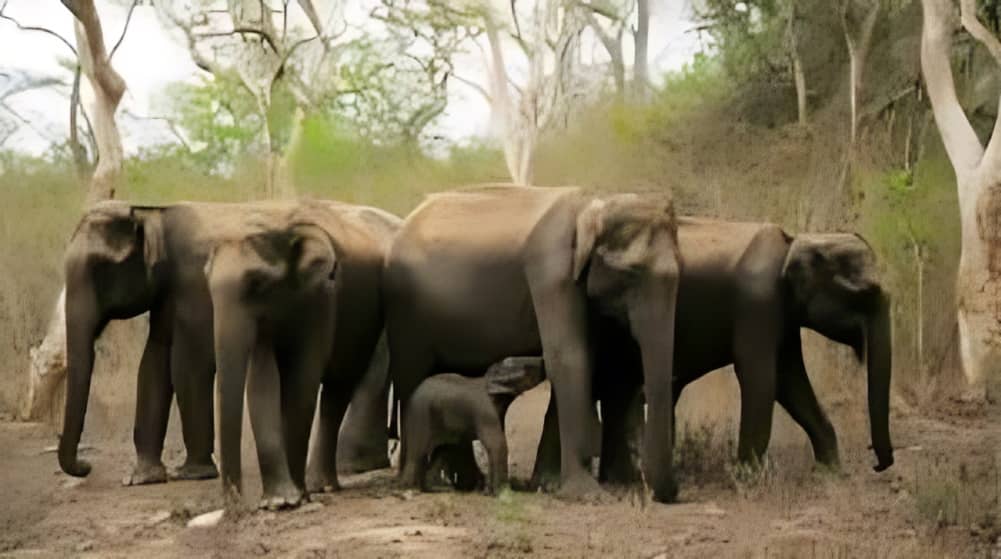

Jashpur district in Chhattisgarh hosted its much-anticipated annual Gajarath Yatra, an event that celebrates elephants while raising awareness about human–elephant coexistence. The Yatra has grown over the years into a significant platform to educate local communities on the importance of conserving elephants and reducing conflicts arising from human–wildlife interaction. This year’s event attracted hundreds of villagers, wildlife enthusiasts, forest officials, and environmental activists, all of whom came together to support the cause.
The Gajarath Yatra included a colorful procession of elephants through key villages, accompanied by cultural programs, traditional music, and folk dances that reflect the long-standing cultural connection between humans and elephants in Chhattisgarh. Organizers emphasized the dual objectives of the festival: to celebrate the majestic elephants and to spread awareness about the importance of protecting their natural habitats.
Forest department officials took the opportunity to educate villagers about preventive measures to avoid human–elephant conflicts. Workshops and interactive sessions were held to demonstrate techniques such as installing barriers around farms, using bio-fencing methods, and minimizing activities that could provoke elephants. Villagers were encouraged to report sightings promptly and to work with authorities in safeguarding both human and elephant lives.
In addition to practical workshops, the Yatra featured educational campaigns highlighting the ecological importance of elephants. Experts spoke about elephants’ roles in maintaining forest ecosystems, dispersing seeds, and contributing to biodiversity. The sessions stressed that conservation efforts not only protect elephants but also ensure the sustainability of local communities that depend on forest resources.
The event also showcased local initiatives that promote eco-friendly coexistence, such as community-led monitoring of elephant movements, sustainable farming practices, and reforestation projects. By involving local residents, the Gajarath Yatra fosters a sense of responsibility and stewardship towards wildlife conservation.
Local authorities highlighted that human–elephant conflicts in Chhattisgarh have increased due to habitat loss, agricultural expansion, and unregulated development. The Yatra aims to bridge the gap between conservation efforts and community involvement, encouraging villagers to adopt strategies that reduce crop damage while preserving wildlife habitats.
The festival concluded with a pledge from participants to work towards peaceful coexistence with elephants, respecting their habitats while safeguarding human settlements. The Gajarath Yatra in Jashpur exemplifies how cultural events can be leveraged to educate communities, promote conservation, and foster harmony between humans and wildlife.


