
The Tamil Nadu government has informed the Supreme Court that it has taken concrete action against individuals who circulated defamatory remarks against a sitting judge of the Madras High Court following a judicial order related to the Karthigai Deepam festival. The state assured the apex court that cyber surveillance is being actively carried out to prevent the spread of derogatory content against members of the judiciary.
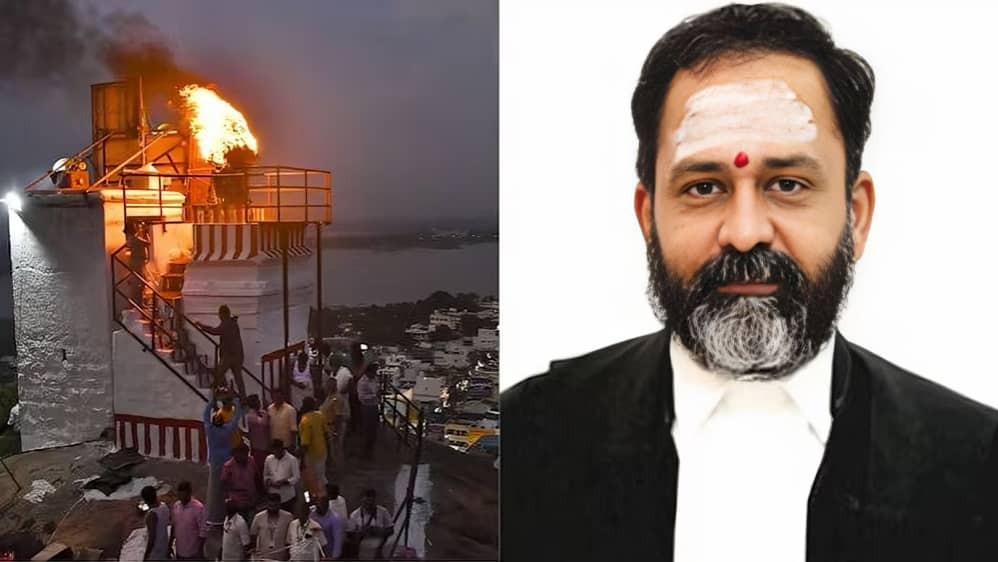
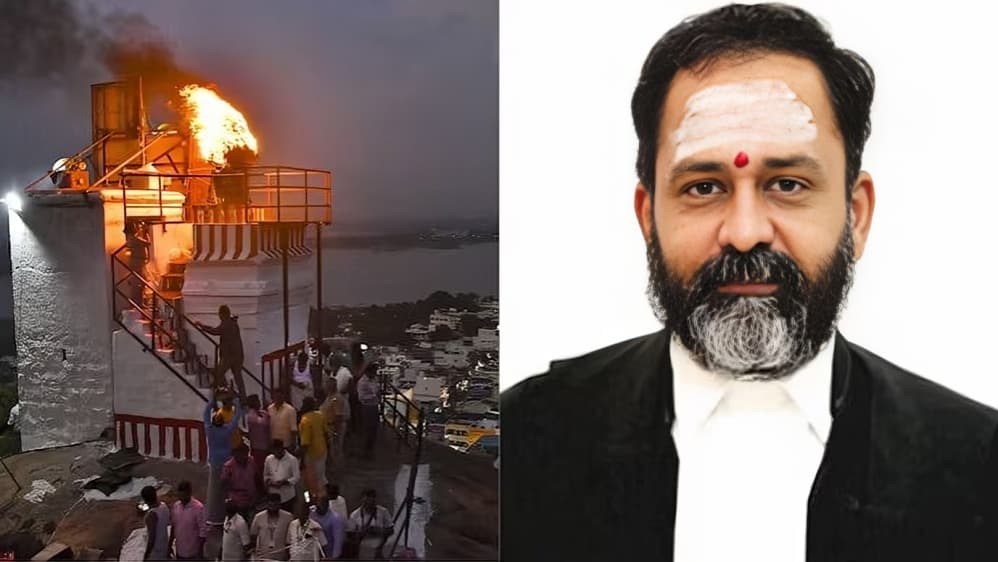
In an affidavit submitted to the Supreme Court, Tamil Nadu Director General of Police G Venkataraman detailed the steps taken by the state police after allegations were raised that authorities had failed to act against protesters and online commentators who targeted Justice G R Swaminathan. The controversy arose after the judge passed an order permitting the lighting of the Karthigai Deepam on the Deepa Thoon, or lamp pillar, at the Thiruparankundram Subramaniya Swamy Hill Temple.
The affidavit was filed in response to a petition that accused the state of inaction despite public protests and the circulation of defamatory statements against the judge on social media platforms. The petitioner had sought the intervention of the Supreme Court, arguing that the dignity of the judiciary was being undermined.
According to the affidavit, the Tamil Nadu Police identified multiple instances of objectionable content on social media. A total of 14 URLs on Facebook and 16 URLs on Twitter, now known as X, were identified and forwarded to the respective intermediaries for blocking. Of these, four Facebook URLs have already been blocked, while the remaining links are still under review by the concerned platforms.
The Director General of Police stated that the Cyber Crime Wing of the Tamil Nadu Police is conducting continuous cyber patrolling to monitor online platforms. The aim is to prevent further circulation of prohibited and defamatory content targeting the judiciary. He added that legal action is being initiated whenever violations of law are detected.
The state emphasised that it is committed to protecting the independence and dignity of the judiciary. The affidavit noted that criticism crossing the line into defamation and abuse cannot be tolerated, particularly when it targets judicial officers for discharging their official duties.
Officials said that the police are also monitoring ground level protests to ensure that public order is maintained and that no unlawful activities take place. The government reiterated that while citizens have the right to express their views, this right does not extend to spreading false, abusive, or defamatory statements against constitutional authorities.
The Supreme Court is expected to examine the affidavit and consider whether further directions are required. The case highlights ongoing concerns about online abuse and the challenges faced by authorities in regulating digital platforms while balancing freedom of expression.
The Tamil Nadu government concluded by assuring the court that it will continue to take firm action against any attempts to undermine judicial authority and will remain vigilant against the misuse of social media platforms.


