
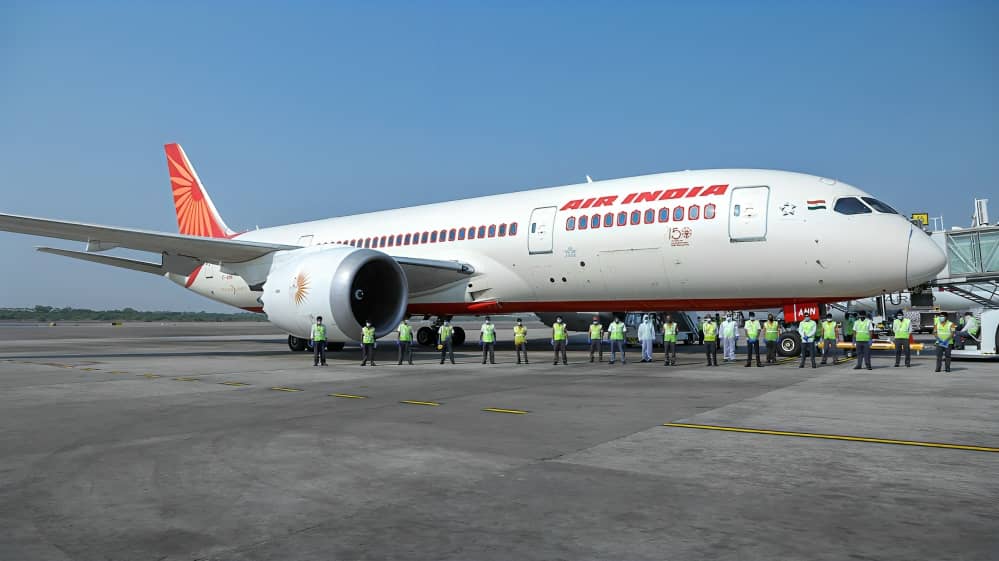
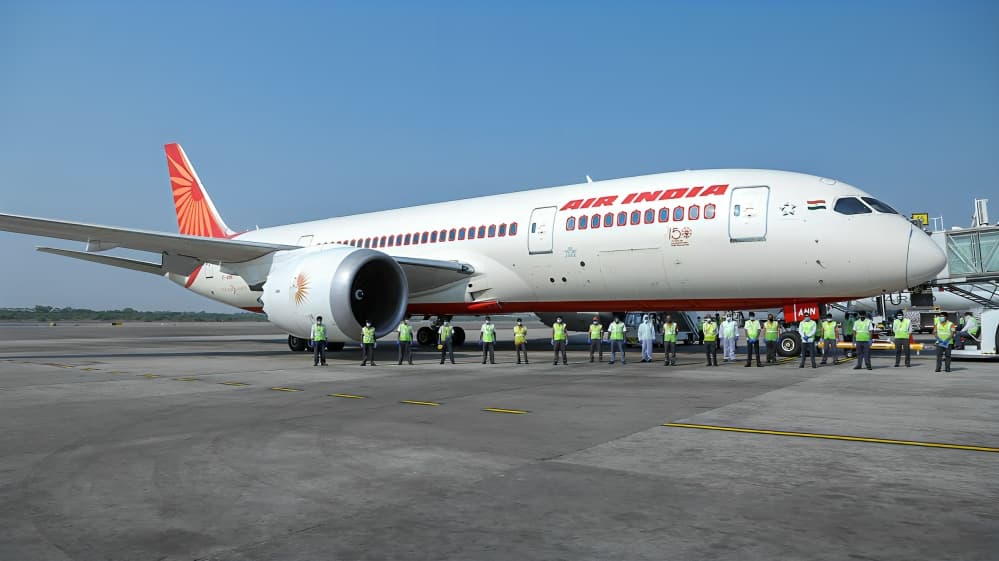
Air India has issued a clarification denying reports that it operated flights over restricted airspace in the Middle East during the ongoing regional conflict. The airline described the circulating claims as inaccurate and reaffirmed its commitment to adhering strictly to international aviation safety standards.
The clarification comes at a time of heightened tensions in West Asia following military exchanges involving Israel, the United States and Iran. In such circumstances, several countries impose temporary airspace restrictions or advisories to ensure the safety of civil aviation. Airlines worldwide typically adjust flight paths in response to these developments.
In its statement, Air India said that it does not fly over restricted or prohibited airspace and that all its operations comply with directives issued by aviation authorities. The airline emphasised that passenger and crew safety remains its highest priority. It also noted that flight routes are continuously monitored and adjusted in coordination with global aviation regulators and air traffic control agencies.
Reports had suggested that an Air India aircraft traversed restricted Middle Eastern airspace despite escalating hostilities. The airline refuted these allegations and clarified that it carefully evaluates route planning based on official notices to airmen, international aviation advisories and real time risk assessments.
Civil aviation operates under strict international frameworks governed by bodies such as the International Civil Aviation Organization, along with national regulators. Airlines are required to avoid restricted zones designated due to military activity, conflict or other safety risks. Deviations from prescribed air corridors can result in serious safety and regulatory consequences.
Industry experts note that airlines often reroute flights during periods of conflict, which may lead to longer travel times and increased operational costs. However, such adjustments are considered necessary to maintain safety standards. In recent years, conflicts in parts of the Middle East have prompted airlines to alter routes over specific regions.
The current tensions have led to precautionary measures by several carriers operating in and around the region. Aviation authorities typically issue notices restricting civilian aircraft from entering designated zones when there is a risk of military engagement or missile activity. Airlines must comply with these directives to ensure safe operations.
Air India reiterated that it closely monitors geopolitical developments and coordinates with relevant authorities before operating international services. The airline said that it remains committed to transparency and accurate communication with passengers.
The clarification aims to address misinformation circulating on social media and other platforms. In times of geopolitical instability, unverified reports can create unnecessary concern among travellers. Aviation experts advise passengers to rely on official statements from airlines and aviation authorities for accurate information regarding flight safety and routing.
As the situation in West Asia continues to evolve, airlines including Air India are expected to remain vigilant and responsive to any changes in airspace regulations. Safety considerations remain paramount in global aviation operations.


