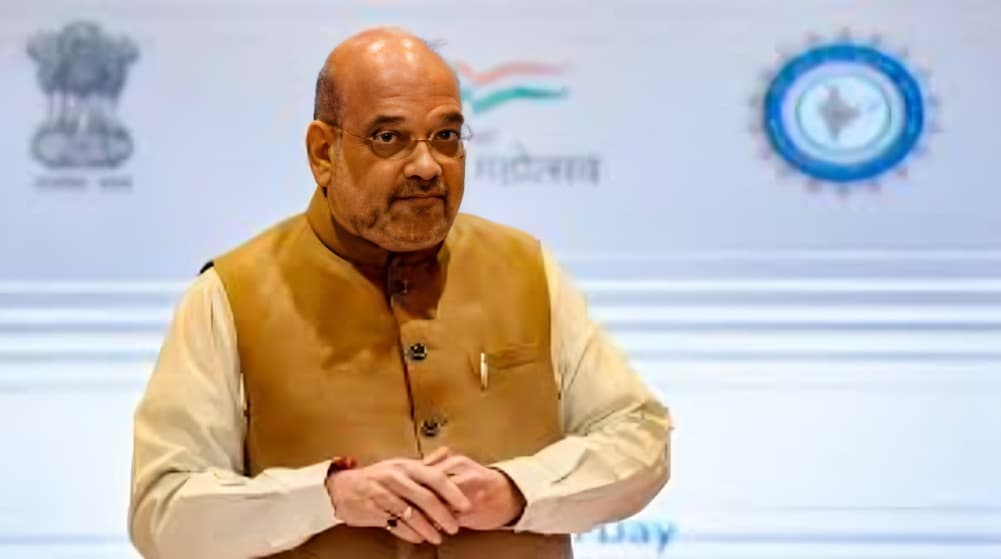
The Government of India has initiated high level discussions to address emerging challenges in energy and fertiliser supply following the ongoing crisis in West Asia. Union Home Minister Amit Shah is heading an informal Group of Ministers tasked with reviewing overall strategic issues related to the situation.
According to sources, the group is closely monitoring the impact of global disruptions on the supply of cooking gas and liquefied natural gas, which is a key input for urea production. Ensuring steady availability of these resources is considered critical for both domestic consumption and the agricultural sector.
Amit Shah has already chaired a meeting with key ministers including Fertiliser Minister JP Nadda and External Affairs Minister S Jaishankar. The discussions focused on assessing current supply levels and identifying measures to manage potential shortages. Officials reviewed supply chains and explored options to maintain stability in the face of international uncertainties.
In addition to this group, another informal Group of Ministers has been formed under the leadership of Power and Urban Affairs Minister Manohar Lal. This group is specifically dealing with issues related to energy supply and infrastructure. A recent meeting of this group examined the status of piped natural gas supply to households and ways to expand its reach.
The meeting was attended by several senior ministers including Food and Renewable Energy Minister Pralhad Joshi Heavy Industries Minister HD Kumaraswamy and Petroleum Minister Hardeep Singh Puri. Discussions highlighted the importance of strengthening the energy distribution network and reducing dependence on conventional LPG cylinders.
The government has been actively promoting the use of piped natural gas as a cleaner and more efficient alternative for household cooking needs. Expanding PNG infrastructure is seen as a long term strategy to enhance energy security and reduce vulnerability to global supply disruptions.
Experts note that the West Asia crisis has created uncertainties in global energy markets, affecting the availability and pricing of key resources. Countries dependent on imports are taking precautionary measures to safeguard their supply chains. India’s approach involves coordinated efforts across multiple ministries to ensure preparedness and continuity.
The focus on fertiliser supply is also significant as any disruption could impact agricultural productivity. Liquefied natural gas plays a vital role in the production of urea, making it essential to maintain consistent supply levels. The government is exploring ways to manage resources effectively and prevent shortages.
Officials have indicated that the situation is being monitored on a continuous basis and further meetings will be held as required. The coordinated approach involving different ministries reflects the importance of addressing interconnected issues related to energy and agriculture.
As the global situation evolves, the government aims to ensure that essential supplies remain stable and that the impact on consumers and farmers is minimized. The formation of these ministerial groups highlights the proactive steps being taken to manage potential challenges and maintain economic stability.