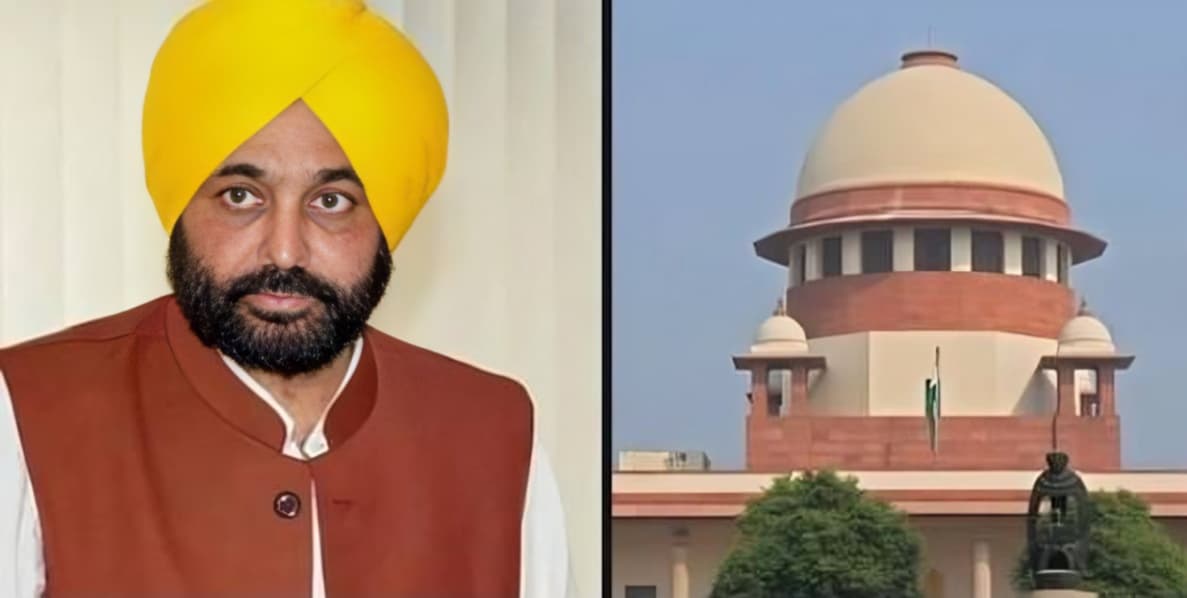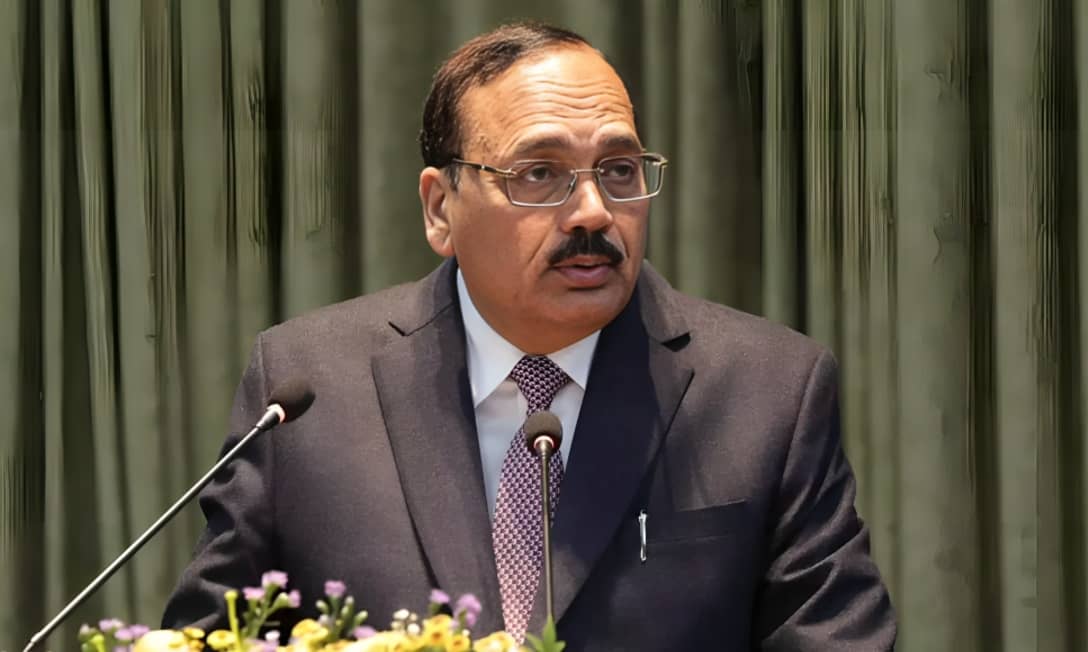
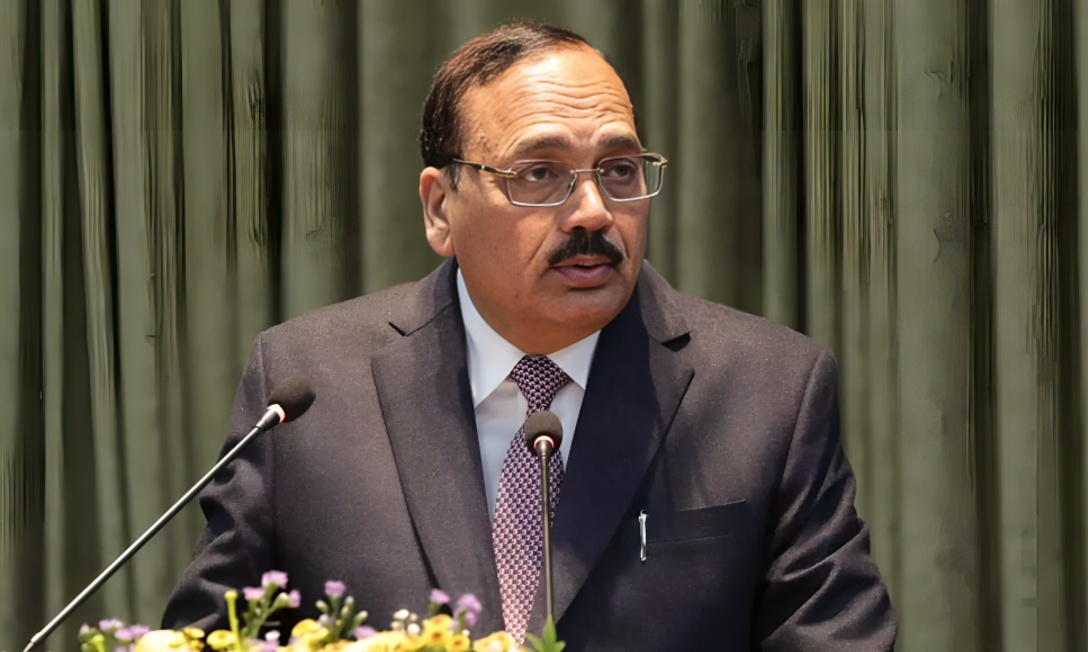
Chief Justice of India Surya Kant has responded to allegations raised by Supreme Court Justice Sandeep Mehta concerning Rajasthan High Court Acting Chief Justice Sanjeev Prakash Sharma. The CJI said that allegations against a sitting judge must be dealt with through the established institutional mechanism and should not be decided through competing claims appearing in the media.
The issue came into focus after Justice Sandeep Mehta, whose parent High Court is the Rajasthan High Court, wrote three letters to CJI Surya Kant on August 2, August 10 and August 17. In the letters, Justice Mehta raised concerns about the functioning and administration of the Rajasthan High Court and sought the appointment of a permanent Chief Justice from another state.
Justice Mehta's letters contained allegations concerning the administrative functioning of Acting Chief Justice Sanjeev Prakash Sharma. The allegations included claims of maladministration, favouritism, nepotism, misuse of administrative powers and concerns over the listing of cases. These are allegations made by Justice Mehta and have not been established as findings against Justice Sharma.
Responding to the controversy, CJI Surya Kant said that the concerns raised by Justice Mehta had been taken note of. He also made it clear that the contents of the letters could not be adjudicated in the public domain.
According to the CJI, allegations made against a sitting judge cannot automatically be treated as findings. The concerned judge must be given a fair opportunity to respond before any conclusion or administrative decision is reached.
CJI Surya Kant further stated that any decision concerning the continuation, transfer or other administrative action involving the Acting Chief Justice would be taken by the competent institutional authority after considering all relevant material.
The statement is significant because the allegations involve the administration of a High Court and have been raised by a sitting Supreme Court judge. Rather than allowing the matter to become a public dispute through media reports, the Chief Justice of India has emphasised that the issue must be handled within the institutional framework of the judiciary.
Justice Mehta had reportedly sought the immediate appointment of a permanent Chief Justice from another High Court to head the Rajasthan High Court. He also requested that Justice Sharma be transferred outside Rajasthan. The letters reportedly referred to several instances which Justice Mehta said raised concerns about the administration of the High Court.
Among the allegations raised in the letters were claims relating to the listing and allocation of cases. Justice Mehta alleged that certain cases had been moved or listed before particular benches in circumstances that, according to him, required examination. He also raised concerns about the use of administrative powers.
The allegations have attracted significant attention because the allocation of cases and administrative decisions within a High Court are important components of judicial functioning. The Chief Justice of a High Court has significant administrative responsibilities, including matters concerning the roster and listing of cases.
However, the CJI's response underlines the principle that allegations must be examined before conclusions are reached. A complaint or allegation, regardless of who makes it, does not by itself establish wrongdoing.
The issue also highlights the internal mechanisms available within the higher judiciary to examine concerns involving judges. The Chief Justice of India has indicated that the matter is already being examined at the appropriate institutional level.
CJI Surya Kant also referred to the broader work of the Supreme Court Collegium in relation to appointments of Chief Justices to High Courts. He said that he and other members of the Collegium were already working on filling the posts of Chief Justices in the remaining High Courts.
The Rajasthan High Court is currently functioning under an Acting Chief Justice. This has added another dimension to the discussion surrounding the appointment of a permanent Chief Justice.
Justice Mehta's request for a permanent Chief Justice from another state comes against this background. His letters have sought administrative intervention, while the CJI has indicated that any decision will follow the established process.
The matter has also attracted attention from members of the legal community. The Rajasthan High Court Advocates Association, Jodhpur, separately wrote to the CJI seeking the appointment of a permanent Chief Justice and requesting that Justice Sharma be transferred outside Rajasthan. The association said this was necessary to maintain harmony between the Bar and the Bench.
The developments have therefore brought together concerns expressed by a Supreme Court judge and members of the legal profession. However, the allegations remain subject to examination through the appropriate institutional process.
The CJI's comments also stress the importance of procedural fairness. Justice Sharma, who is the subject of the allegations, must have an opportunity to respond to the claims made against him. His response will form part of the material considered during the examination of the matter.
The Supreme Court's approach is intended to prevent individual complaints concerning judges from becoming matters determined through public exchanges in the media. Such an approach is particularly important when allegations concern judicial officers and the functioning of courts.
The controversy has raised broader questions about judicial administration, transparency and accountability. At the same time, maintaining institutional independence and ensuring that allegations are examined fairly are equally important.
The allegations made by Justice Mehta should therefore be viewed as concerns requiring examination rather than as established conclusions. The CJI has specifically indicated that no finding can be drawn merely from the existence of the allegations.
The institutional process will have to consider the material submitted by Justice Mehta as well as the response from Justice Sharma. Only after examining the relevant material can the competent authority decide whether any administrative action is necessary.
The controversy also comes at a time when the Supreme Court Collegium is considering appointments to several High Courts. The appointment of permanent Chief Justices to High Courts is an important part of the judicial administration process.
For the Rajasthan High Court, the question of a permanent Chief Justice has therefore gained additional importance. However, the CJI has not indicated that any final decision has been taken specifically in response to Justice Mehta's letters.
Instead, the Chief Justice has emphasised that the concerns are being considered through the appropriate institutional mechanism. This means that the process will continue without relying on public claims or media debates as a substitute for formal examination.
The case also illustrates the importance of distinguishing between allegations and findings in judicial matters. Allegations can lead to an institutional inquiry or examination, but they do not establish guilt or misconduct by themselves.
The response from the CJI is therefore focused on due process. The judiciary must consider the concerns raised, give the concerned judge an opportunity to respond and then take any decision through the competent institutional authority.
The matter is likely to remain under attention because it involves senior members of the judiciary and concerns the administration of a High Court. Further developments could depend on the institutional examination of the letters, the response of Justice Sharma and any subsequent decision by the competent authorities.
For now, the Chief Justice of India has made clear that the allegations will not be settled through a public contest in the media. Instead, they will be considered through the established mechanism of the judiciary.
This approach also seeks to protect the credibility of the judicial process. At the same time, the concerns raised by Justice Mehta will need to be examined carefully and transparently within the appropriate institutional framework.
The final outcome will determine whether any administrative action is required concerning the Rajasthan High Court's Acting Chief Justice. Until such a decision is reached, the allegations should not be presented as proven facts.
Overall, CJI Surya Kant has said that the allegations raised by Supreme Court Justice Sandeep Mehta against Rajasthan High Court Acting Chief Justice Sanjeev Prakash Sharma will be examined through the established institutional mechanism.
The CJI has stressed that allegations against a sitting judge cannot be determined through competing claims in the media. He has also emphasised the importance of giving the concerned judge a fair opportunity to respond before any conclusion is reached.
The matter is now with the appropriate institutional authorities, which will consider the material submitted by Justice Mehta and the response of Justice Sharma before deciding on any further administrative action.