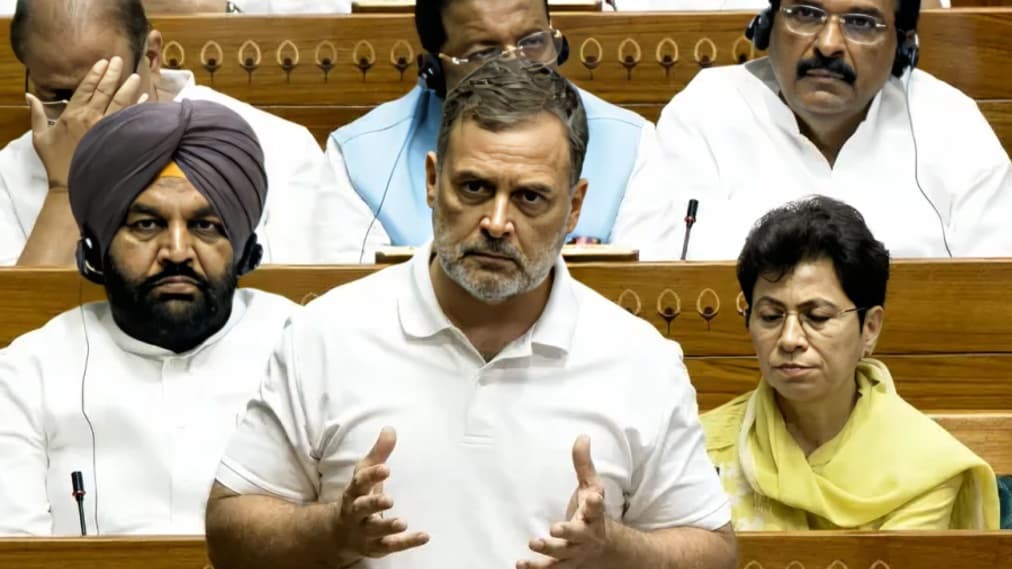
The Congress party has raised concerns regarding India’s role in ongoing international diplomatic efforts aimed at easing tensions in the Middle East. The criticism is directed at Prime Minister Narendra Modi, with opposition leaders questioning the country’s perceived absence from ceasefire discussions involving the United States, Israel and Iran.
According to statements from Congress leaders, India’s limited visibility in these high level talks has sparked debate about the country’s diplomatic engagement on global issues. The opposition has also pointed to reports suggesting the involvement of Pakistan in discussions related to the situation, describing it as a matter of concern for India’s foreign policy positioning.
The remarks come at a time when geopolitical tensions in the Middle East have drawn global attention. Efforts are being made by various countries to stabilize the situation and prevent further escalation. In this context, the role of major regional and global powers has become a subject of discussion among political observers and analysts.
The Congress party has argued that India, as a significant global player, should actively participate in diplomatic initiatives that aim to resolve conflicts and promote peace. Party representatives have emphasized the importance of maintaining a strong presence in international forums and engaging with key stakeholders in global affairs.
On the other hand, government representatives have not issued a detailed response to the criticism. However, officials have previously maintained that India continues to engage with international partners through diplomatic channels and supports peaceful resolution of conflicts. India’s foreign policy has traditionally focused on strategic autonomy and balanced engagement with multiple countries.
Experts note that international negotiations often involve a complex set of participants and are influenced by various geopolitical factors. The inclusion or exclusion of specific countries can depend on the nature of the conflict, diplomatic relations and strategic considerations. As a result, the extent of India’s involvement in such discussions may vary depending on the context.
The issue has also become part of domestic political discourse, with parties expressing differing views on how India should position itself on the global stage. While the opposition is calling for greater visibility and participation, others argue that diplomatic efforts are often conducted through multiple channels that may not always be publicly visible.
The situation highlights the broader debate on India’s role in global diplomacy, particularly in times of international crisis. As the country continues to expand its influence in global affairs, expectations regarding its participation in conflict resolution efforts are also increasing.
Overall, the criticism reflects ongoing political differences over foreign policy priorities and approaches. As global developments continue to evolve, India’s diplomatic strategies and engagements are likely to remain under close observation both domestically and internationally.