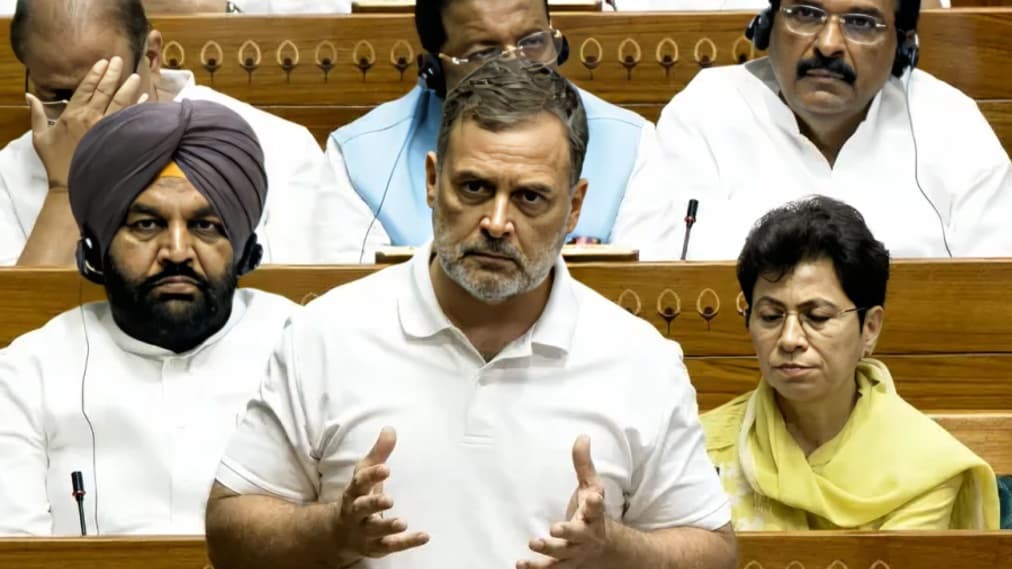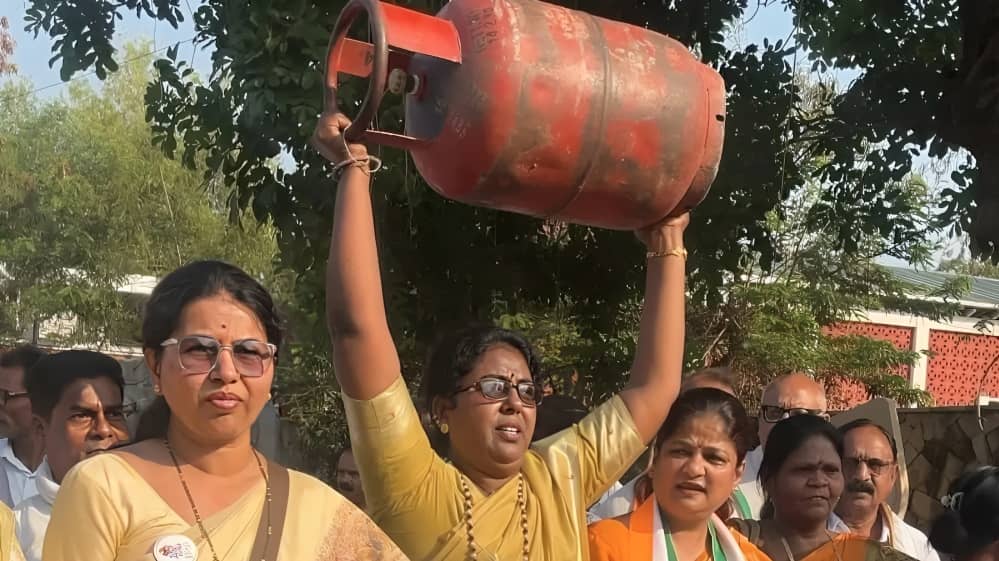
The Congress party has announced its intention to raise an adjournment motion in Parliament over the recent increase in commercial LPG cylinder prices. The move is aimed at drawing attention to the rising cost of essential fuel and its impact on businesses as well as the general public.
Congress leaders have expressed concern that the price hike in commercial LPG cylinders will significantly affect small and medium businesses, especially restaurants, hotels and food vendors that rely heavily on these cylinders for daily operations. They argue that the increased cost of fuel could lead to higher operational expenses, which may eventually be passed on to consumers in the form of increased food prices.
The opposition has also pointed out that domestic LPG cylinder prices have seen a rise, adding further burden on households. This, they say, could affect the monthly budgets of families, particularly those belonging to middle and lower income groups. The issue is expected to be strongly raised in Parliament, with Congress leaders demanding a detailed response from the government led by Narendra Modi.
An adjournment motion is a parliamentary procedure used to discuss urgent matters of public importance by interrupting the normal business of the House. By moving this motion, Congress aims to initiate a focused discussion on the LPG price hike and its broader economic implications.
According to party representatives, the increase in commercial LPG prices may have a cascading effect on the economy. Higher fuel costs can contribute to inflation, as businesses adjust their prices to maintain margins. This could impact sectors such as hospitality, catering and small scale food services, potentially leading to reduced demand and, in some cases, business closures.
The government, on the other hand, has not yet issued a detailed response to the concerns raised by the opposition. However, officials have previously stated that fuel prices are influenced by global market trends, including fluctuations in crude oil prices and currency exchange rates. These factors often play a key role in determining the cost of LPG in the domestic market.
Economic experts note that balancing fuel prices while managing fiscal constraints is a complex task for any government. While subsidies can help reduce the burden on consumers, they also place pressure on public finances. Therefore, policymakers often have to consider multiple factors before making pricing decisions.
The upcoming discussion in Parliament is expected to focus on these issues, with opposition parties pressing for measures to ease the burden on consumers and businesses. The debate may also explore possible policy interventions to stabilise LPG prices and ensure affordability.
Overall, the planned adjournment motion highlights growing political attention on fuel pricing and its impact on the economy. The outcome of the discussion could influence future policy decisions related to energy pricing and consumer welfare.