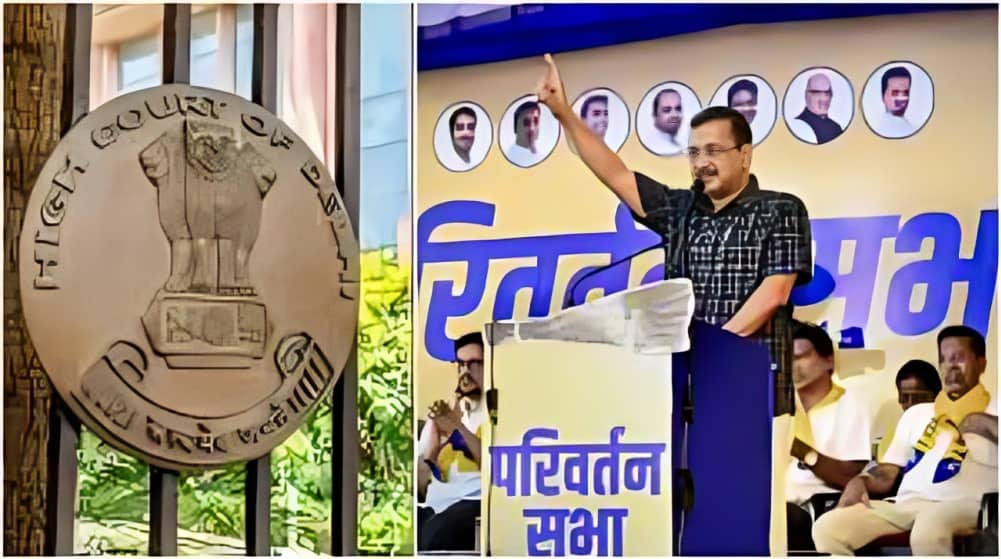
The Delhi High Court has taken a significant step to address concerns over the unauthorized recording and circulation of court proceedings on social media platforms. In a recent development, the court directed the removal of several videos that allegedly showed parts of a hearing where a request was made for the recusal of a judge. These videos had been widely circulated online and featured political leader Arvind Kejriwal along with others.
The court’s order came in response to a contempt petition that raised serious concerns about the legality and ethical implications of recording court proceedings without permission. The petition argued that such actions undermine the dignity of the judiciary and violate established legal norms. According to court rules, recording or sharing live proceedings without explicit approval is strictly prohibited.
While hearing the matter, the Delhi High Court observed that the circulation of such videos could potentially influence public perception and interfere with the administration of justice. The court emphasized the importance of maintaining the sanctity and confidentiality of judicial proceedings. It also highlighted that courts are governed by strict protocols to ensure fairness and impartiality, and any violation of these norms can attract legal consequences.
In addition to ordering the removal of the videos, the court issued notices to several social media platforms, including X, directing them to take necessary action in preventing further dissemination of such content. The platforms have been asked to respond to the notice and explain the measures they have taken or plan to take to comply with the court’s directions.
The court also issued a notice to Arvind Kejriwal in connection with the contempt plea. The petition alleges that the involvement of public figures in sharing or promoting such content may amount to contempt of court. However, the court has not yet made any final determination on this matter, and the notice is part of the due legal process to seek a response.
Legal experts note that this case highlights the growing challenges faced by courts in the digital age, where information can be quickly recorded and shared across platforms. While transparency in judicial proceedings is important, it must be balanced with the need to protect the integrity of the legal system.
The Delhi High Court has scheduled the next hearing in this case for July 6. During the upcoming session, the court is expected to review responses from the parties involved and decide on further action. The case is being closely watched as it may set an important precedent regarding the use of digital media in relation to court proceedings.