The Delhi High Court has clarified that restaurants cannot claim permission to impose mandatory service charges on customers while appeals against an earlier judgment are pending. The court made it clear that it had not granted any interim relief to restaurant associations seeking protection against the ruling that prohibits compulsory service charges on food bills.
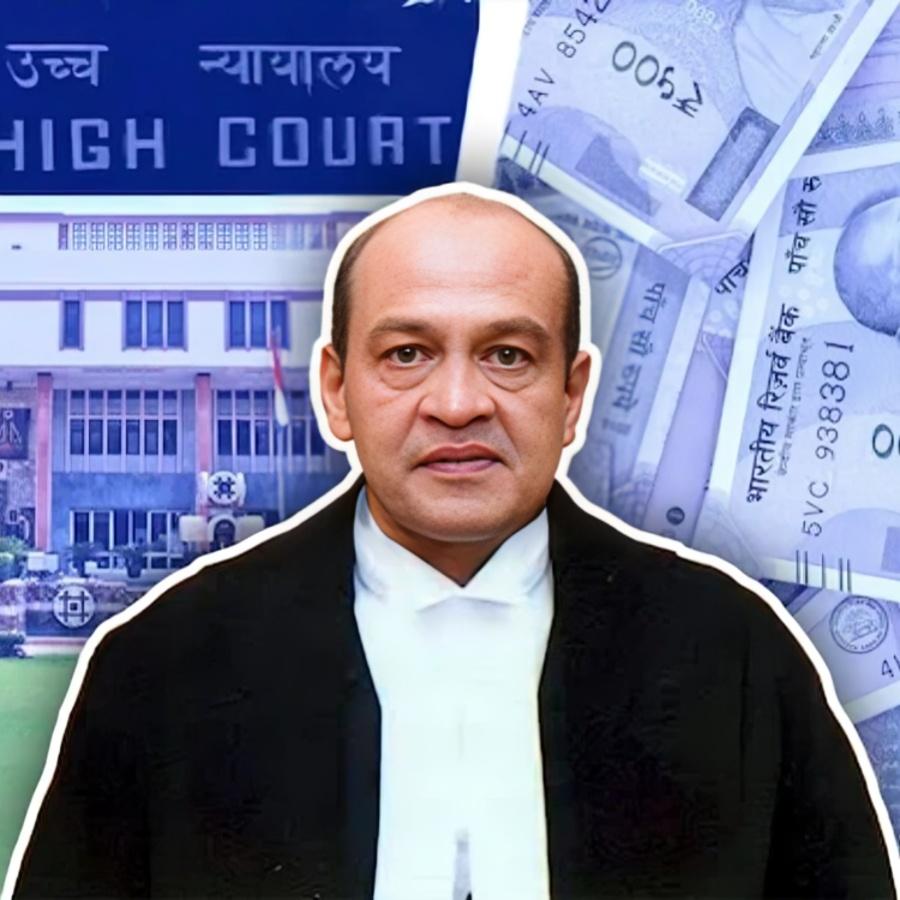
The clarification was made on Thursday, November 19, 2026, by a Division Bench comprising Acting Chief Justice Nitin Wasudeo Sambre and Justice Sanjay Sharma. The bench was hearing appeals filed by the National Restaurant Association of India (NRAI) and the Federation of Hotel and Restaurant Associations of India (FHRAI).
The appeals challenge a single-judge judgment delivered on March 28, 2025, which upheld the guidelines issued by the Central Consumer Protection Authority (CCPA) against the automatic collection of service charges by hotels and restaurants.
During the hearing, Additional Solicitor General Chetan Sharma, representing the government, informed the court that some restaurants were reportedly continuing to make service charges compulsory for customers. He submitted that such practices were contrary to the earlier judgment upholding the CCPA guidelines.
Responding to the submission, the bench questioned whether any interim protection had been granted to the restaurant associations. Acting Chief Justice Sambre made it clear that the court had not granted any such interim relief.
The court's clarification is significant because the restaurant associations have challenged the 2025 judgment, but the filing and hearing of an appeal do not automatically suspend the earlier ruling.
What Did the Delhi High Court Say?
The government's counsel brought the issue of continued mandatory service charge collection to the court's attention. He submitted that some restaurants were still adding such charges to customers' bills despite the earlier ruling.
The court responded by asking where the interim relief in favour of the restaurant associations was. Acting Chief Justice Sambre stated that no interim prayer had been granted to them.
This clarification means restaurants cannot rely on the pending appeals as permission to continue imposing compulsory service charges. The earlier judgment remains operative because the Division Bench has not granted an interim order suspending it.
The bench's observation was made during the hearing and should be understood in the context of the interim relief sought by the restaurant associations. The court has not yet delivered its final decision on the merits of their appeals.
The Division Bench admitted the appeals for consideration. Their admission allows the legal challenge to proceed, but it does not mean that the restaurant associations have succeeded in overturning the earlier judgment.
What Did the March 2025 Judgment Say?
The current proceedings arise from a judgment delivered by a single judge of the Delhi High Court on March 28, 2025. The judgment dismissed petitions filed by the NRAI and FHRAI challenging the CCPA guidelines on service charges.
The single judge upheld the consumer protection guidelines, which prohibit hotels and restaurants from automatically adding service charges to food bills or making such payments compulsory.
The court held that customers should not be forced to pay an additional service charge as a default condition. It also observed that collecting such charges without giving customers a genuine choice could amount to an unfair trade practice under the Consumer Protection Act, 2019.
The judgment emphasised that customers must be free to decide whether they want to make an additional payment for service. Restaurants cannot treat such a payment as compulsory merely because it is mentioned on a menu or included in the bill.
The ruling also addressed concerns that customers could mistake a service charge for a government-imposed tax. The single judge suggested that clearer terminology, such as voluntary contribution or staff welfare contribution, could be considered where appropriate.
The judgment upheld the CCPA's authority to issue guidelines aimed at preventing unfair practices and protecting consumer interests.
What Are the CCPA Guidelines on Service Charges?
The Central Consumer Protection Authority issued its guidelines on July 4, 2022, to address complaints about hotels and restaurants adding service charges to bills without obtaining customers' consent.
Under the guidelines, restaurants and hotels are prohibited from automatically adding a service charge to the food bill. They are also not permitted to collect such charges by default or make payment of the amount a condition for receiving services.
The guidelines were introduced after consumers raised concerns about additional charges appearing on bills, sometimes without clear information or an opportunity to refuse payment.
The CCPA's position is that customers should not be compelled to pay a service charge. If a customer wishes to give an additional amount as a tip or voluntary contribution, that decision must remain with the customer.
The guidelines also seek to prevent establishments from presenting a service charge in a manner that could mislead customers into believing it is a government levy or tax.
The Delhi High Court's March 2025 judgment upheld these guidelines, and the Division Bench has not granted interim protection against their operation while the appeals are being considered.
Why Are Restaurant Associations Challenging the Ruling?
The National Restaurant Association of India and the Federation of Hotel and Restaurant Associations of India have challenged the single-judge judgment because they disagree with the restrictions placed on service charge collection.
The restaurant associations have argued that service charges are an established practice in the hospitality industry. They have maintained that the amount collected is intended to contribute towards employee compensation and staff welfare.
Their position is that service charges can help distribute earnings among a wider group of restaurant employees, including kitchen workers and other staff members who may not directly interact with customers.
The associations have also raised questions about the extent of the CCPA's authority to regulate service charges and whether the issue should be considered under consumer protection law or labour-related regulations.
They have argued that where a service charge is clearly disclosed to customers before an order is placed, the practice should not automatically be treated as unfair.
However, these are arguments raised by the restaurant associations in their legal challenge. The single judge rejected their petitions in March 2025, and the appeals are now before the Division Bench.
What Does This Mean for Restaurant Customers?
For customers, the High Court's latest clarification reinforces the distinction between a compulsory service charge and a voluntary tip.
Restaurants cannot treat a service charge as an automatic addition to the bill while relying on the pending appeals as justification. Customers should not be compelled to pay an additional service charge simply because it has been included in the invoice.
A voluntary tip is different. Customers remain free to give an additional amount if they are satisfied with the service. The decision to pay such an amount must be voluntary rather than imposed as a mandatory condition.
If a customer notices a compulsory service charge on a restaurant bill, they can ask the establishment to explain the charge and refer to the CCPA guidelines. Consumers can also approach the appropriate consumer grievance channels if they believe an establishment is following an unfair billing practice.
The latest court clarification does not prevent customers from voluntarily rewarding restaurant staff. It concerns the automatic or compulsory collection of additional charges without the customer's choice.
What Happens Next in the Case?
The appeals filed by the NRAI and FHRAI have been admitted by the Delhi High Court for consideration. The Division Bench will examine the restaurant associations' challenges to the March 2025 judgment.
However, the admission of the appeals does not amount to a stay of the earlier ruling. The bench has specifically clarified that it has not granted interim relief allowing restaurants to continue collecting mandatory service charges.
The final outcome will depend on the court's examination of the legal arguments raised by the restaurant associations and the government's position.
Until the Division Bench passes an order staying or setting aside the earlier judgment, the ruling upholding the CCPA guidelines continues to operate.
The latest clarification is therefore important for both restaurant operators and customers. It makes clear that the legal challenge is still pending, but restaurants cannot treat that challenge as permission to impose compulsory service charges on food bills.