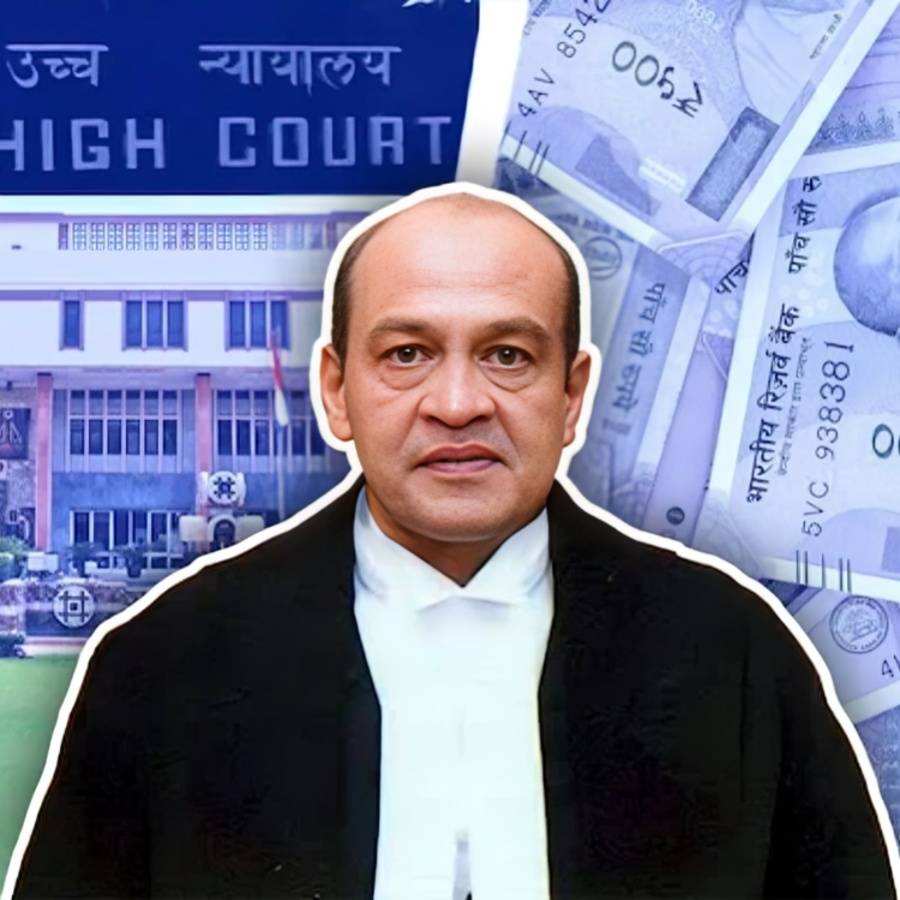
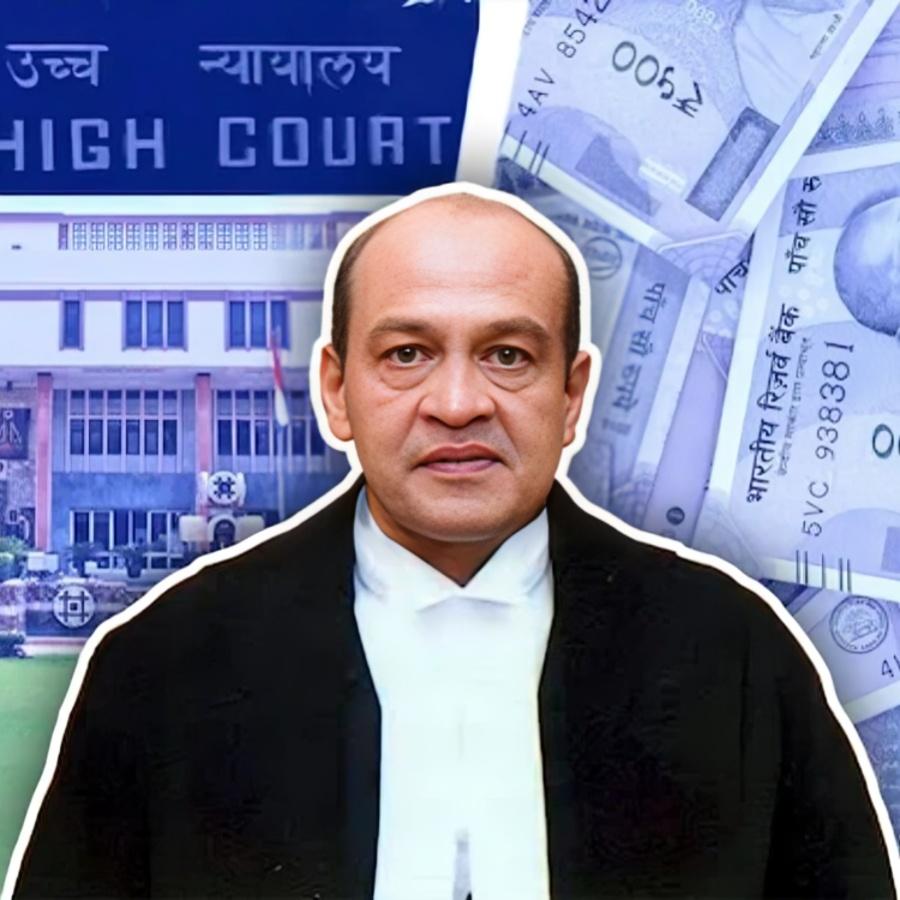
Justice Yashwant Varma has maintained that he is innocent of allegations relating to the discovery of burnt currency notes at his official residence. He has also clarified that his resignation as a High Court judge should not be interpreted as an admission of wrongdoing or acceptance of the findings made against him.
In a letter dated September 10 addressed to Lok Sabha Secretary General Utpal Kumar Singh, Varma argued that the proceedings initiated for his removal from judicial office had become infructuous after he resigned on April 9. He maintained that continuing the removal process after his resignation would have no constitutional basis.
The letter was circulated among Members of Parliament on Thursday, bringing his objections to the removal proceedings before both Houses of Parliament.
Justice Varma Reasserts His Innocence
The allegations against Justice Yashwant Varma relate to the discovery of burnt currency notes at his official residence. The matter led to an inquiry and proceedings concerning his continuation in judicial office.
In his communication to Parliament, Varma firmly maintained that he was innocent of the allegations. He argued that his decision to resign should not be treated as evidence of wrongdoing or as an acceptance of any adverse findings.
His position is that resignation and removal from judicial office are legally different matters. According to him, submitting his resignation does not mean that he accepted the allegations or the conclusions reached during the inquiry.
The letter therefore focuses on both his denial of wrongdoing and the constitutional consequences of his resignation.
Varma Questions Continuation of Removal Proceedings
A major argument in the letter concerns the legal status of the proceedings initiated for his removal.
Varma stated that he submitted his resignation to the President on April 9 with immediate effect. Based on this, he argued that the removal proceedings could no longer continue because he had already resigned from judicial office.
He described the proceedings as having become infructuous following his resignation. In legal terms, a proceeding is considered infructuous when the circumstances that formed its basis have changed in such a way that continuing it may no longer serve its original purpose.
Varma maintained that any further attempt to pursue the removal process would lack constitutional support.
Reference to Article 217 of the Constitution
To support his position, Varma referred to Article 217(1)(a) of the Indian Constitution, which deals with the appointment and conditions of office of High Court judges, including resignation.
He also cited the Supreme Court's 1978 Constitution Bench judgment in Union of India versus Gopal Chandra Mishra.
Based on these constitutional and judicial references, Varma argued that a High Court judge's resignation takes effect on its own and does not require acceptance by the President or another authority.
He relied on this interpretation to support his claim that the removal proceedings did not survive after his resignation.
His argument is that once the resignation became effective, there was no constitutional basis for continuing proceedings intended to remove him from office.
Participation in Judges Inquiry Committee Proceedings
Varma also referred to his participation in the inquiry conducted by the Judges Inquiry Committee.
According to his letter, he participated in the inquiry proceedings until April 9, the date on which he submitted his resignation to the President with immediate effect.
He also raised objections regarding the manner in which the inquiry had been conducted. While he did not provide a detailed response to the committee's findings in the letter, he stated that he reserved the right to challenge them.
This indicates that his objections concern not only the continuation of the removal process but also the procedure followed during the inquiry.
Varma Declines Further Participation
In his communication, Varma declined to comment on the inquiry committee's report or participate in any further proceedings connected with the matter.
He maintained that his resignation had already brought the removal proceedings to an end. On that basis, he argued that continuing the process would be legally inappropriate.
He also requested that his letter and its accompanying documents be circulated among members of both Houses of Parliament.
His request was aimed at ensuring that Members of Parliament were informed of his position regarding the allegations, inquiry and removal proceedings.
Requests Parliament to Close the Matter
At the end of his letter, Varma requested Parliament to take note of his arguments and close the matter.
His central position is that resignation should not be interpreted as an admission of guilt and that the constitutional process for removal cannot continue after his resignation has taken effect.
The communication has brought renewed attention to the legal questions surrounding the inquiry and the constitutional procedure for removing judges from office.
The matter involves important issues concerning judicial accountability, the resignation of constitutional officeholders and the legal status of proceedings initiated against a judge.
Constitutional Questions Remain in Focus
The arguments raised by Varma highlight the distinction between resignation and removal from judicial office. His reliance on Article 217 and the 1978 Supreme Court judgment forms the basis of his claim that his resignation took effect without requiring formal acceptance.
However, the legal arguments presented in his letter represent his position on the matter. They should not be treated as a final judicial determination on the status of the proceedings or the allegations.
The development is significant because it concerns the constitutional framework governing High Court judges and the procedures available when allegations of misconduct arise.
For now, Justice Yashwant Varma has reiterated his innocence, rejected the suggestion that his resignation amounts to an admission of wrongdoing and asked Parliament to close the removal proceedings. His letter places his constitutional and procedural objections formally before Members of Parliament.