
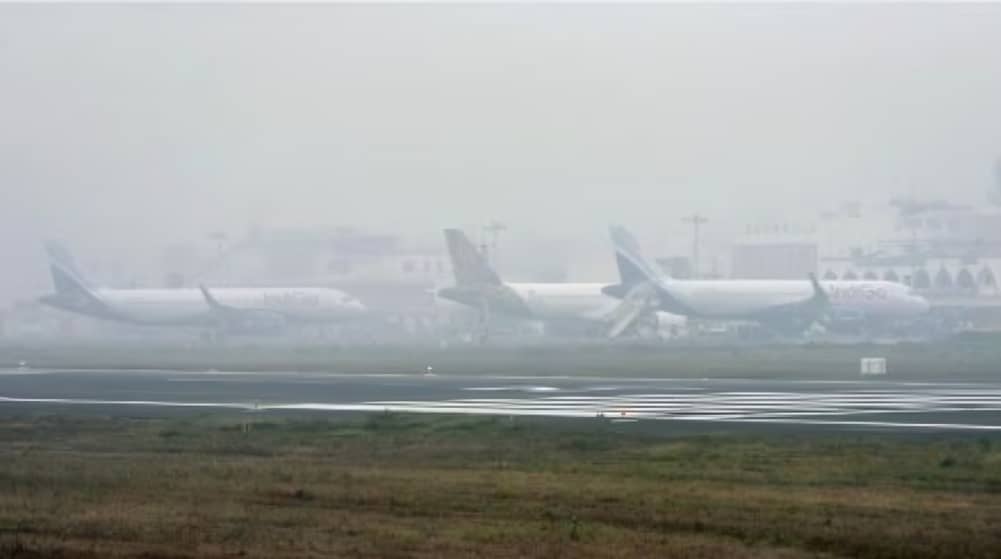
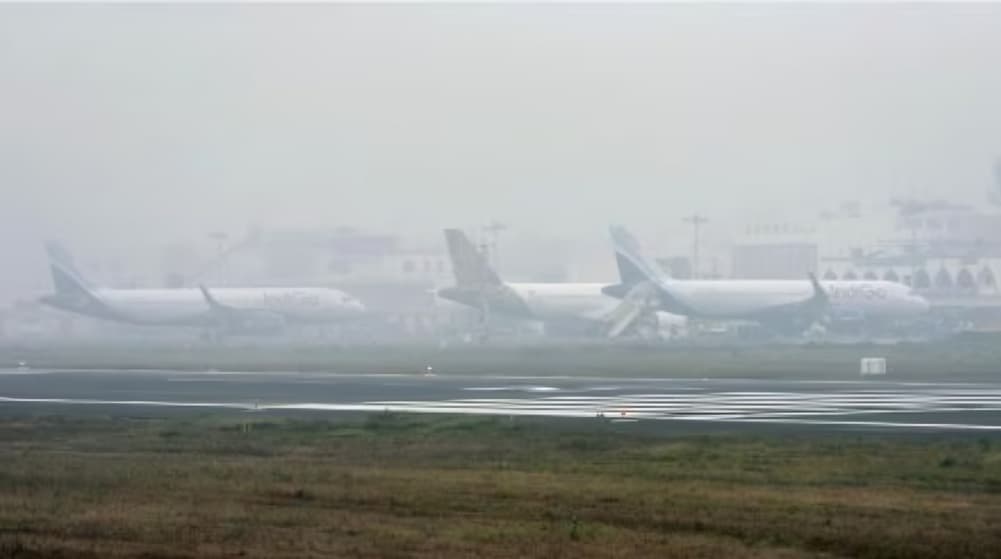
Northern India, including the national capital Delhi, has been experiencing dense fog and low visibility, leading to significant disruptions in flight operations. Over 100 flights were affected, resulting in delays and cancellations across major airports in the region. The adverse weather conditions have posed challenges for pilots, airlines, and airport authorities, necessitating enhanced safety protocols and operational adjustments.
In response to the situation, the Ministry of Civil Aviation issued a formal advisory to all airlines, emphasizing compliance with passenger facilitation norms. This includes providing meals, refunds, and assistance with baggage for affected passengers. Authorities stressed that airlines must communicate promptly with travelers, ensuring they are informed about delays, cancellations, and alternative arrangements. The advisory also reinforced the importance of passenger rights under the existing aviation guidelines.
Passengers traveling to and from Delhi and nearby airports were advised to check flight statuses in advance and allow additional time for travel, taking into account potential delays due to foggy conditions. Airports have increased ground support staff and coordination efforts to manage the higher volume of inquiries and facilitate smoother passenger handling. Airlines, in turn, have activated contingency plans, including rescheduling flights and arranging accommodations where necessary.
The Indian Meteorological Department (IMD) has reported that the dense fog is expected to persist for the next few days, particularly during early morning and late evening hours. Officials have highlighted that visibility levels may drop significantly, affecting both air and road transport. Travelers have been cautioned to exercise patience and follow safety advisories issued by local authorities and airlines.
This disruption is part of a recurring pattern during the winter months in northern India, when fog and cold weather conditions frequently impact transportation. Civil aviation authorities have urged passengers to maintain flexibility in their travel plans and cooperate with airline staff to ensure smooth operations. They also emphasized that adherence to safety protocols is critical to minimizing risks associated with low-visibility flying conditions.
Industry experts note that while flight disruptions are inconvenient, the prompt issuance of advisories and strict adherence to passenger rights help mitigate the impact on travelers. Airlines are closely monitoring weather developments and adjusting schedules to balance operational safety with passenger convenience.
Overall, the combination of dense fog and low visibility in Delhi and surrounding areas has caused significant challenges for the aviation sector. With proactive measures from the Ministry of Civil Aviation and airlines, passengers are being guided through the disruptions while ensuring safety remains the top priority. Authorities continue to monitor the situation and provide updates to travelers in real time.


