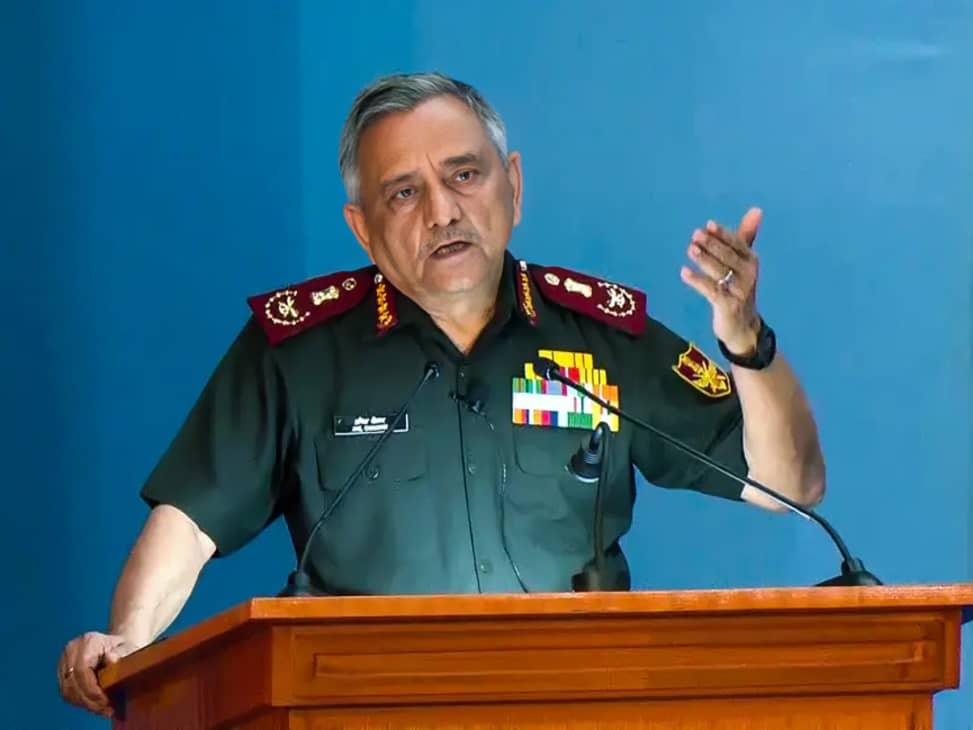
Former Chief of Defence Staff General Anil Chauhan has revealed that Skardu in Pakistan occupied Kashmir was considered as a possible target during Operation Sindoor. According to Chauhan, Indian forces had identified Skardu in Gilgit Baltistan as one of the additional targets considered during the operation.
Chauhan made the disclosure while speaking at the Vivekananda International Foundation on Operation Sindoor and its aftermath. His remarks provide additional details about the military planning and target selection that took place during the operation.
Operation Sindoor was launched by India following the terrorist attack in Pahalgam in April 2025. The operation involved coordinated military action against what India described as terrorist infrastructure in Pakistan and Pakistan occupied Jammu and Kashmir. The subsequent military confrontation between India and Pakistan continued for several days before an understanding to halt military action was reached.
Chauhan was serving as the Chief of Defence Staff when the operation was conducted. While recalling the sequence of events, he explained how additional targets were considered during the military planning.
According to Chauhan, Pakistani authorities had contacted India and indicated that they wanted to discuss the situation. During the developments, the Air Chief asked Chauhan whether action should be taken against Sargodha. Chauhan said he approved the proposed action and then asked that two additional targets be identified.
One of the additional targets identified was Skardu.
Chauhan said the plan involving Skardu was subsequently affected by bad weather. The weather conditions made it difficult to proceed with the planned action, resulting in a change in the targeting plan.
Skardu is located in Gilgit Baltistan, in the Pakistan occupied Kashmir region. The area has strategic importance because of its location and military infrastructure. The Skardu airbase has been associated with Pakistan’s military aviation operations and has previously attracted attention because of its proximity to the Line of Control and other strategically important areas.
The disclosure is significant because it provides an insight into the range of targets considered by Indian military planners during Operation Sindoor. However, Chauhan’s statement specifically indicates that Skardu was identified as a possible target and that the plan was changed because of weather conditions.
The remarks also demonstrate how operational decisions can change depending on circumstances on the ground and in the air. Weather is an important factor in military aviation because poor visibility, cloud cover, wind conditions and other atmospheric factors can affect aircraft operations and the effectiveness of certain weapons systems.
The consideration of Sargodha and Skardu also indicates that Indian planners were evaluating targets at different locations during the operation. Sargodha is an important military location in Pakistan, while Skardu is situated in the strategically sensitive Gilgit Baltistan region.
Chauhan explained that the decision-making process involved identifying additional targets after Sargodha was considered. His comments suggest that military commanders were evaluating multiple options rather than relying on a single target.
The former CDS also discussed the circumstances surrounding the eventual decision-making process. His account provides a retrospective view of the operation from the perspective of one of the senior officials responsible for military coordination at the time.
The disclosure comes amid continued public discussion about Operation Sindoor and the military capabilities used during the operation. Since the conclusion of the military action, serving and retired defence officials have provided additional details about the planning, execution and objectives of the operation.
Earlier, Chauhan had also spoken about the use of loitering munitions during Operation Sindoor. He explained that an Indian loitering munition had been sent towards the Sargodha area to search for radar systems. According to his explanation, the munition may have eventually struck an area around the Kirana Hills after failing to locate its intended target.
Those remarks generated considerable attention because of the strategic significance associated with the Sargodha and Kirana Hills areas. Chauhan clarified the circumstances surrounding the possible impact and explained that the hills were not necessarily selected as a deliberate target.
His latest comments about Skardu add another element to the broader discussion surrounding the operation.
The reference to bad weather is particularly important because it shows that operational plans can be modified even after a target has been identified. Military operations depend on several factors, including intelligence, weather, aircraft availability, weapons capabilities and the wider operational situation.
The decision not to proceed with the Skardu option therefore illustrates the role that environmental conditions can play in military planning.
Chauhan’s account also indicates that the military leadership was assessing possible targets in different geographic areas. The mention of Skardu is notable because it lies considerably farther north than many of the locations associated with the military confrontation.
Gilgit Baltistan has strategic importance for Pakistan because of its location and its connection to the broader Himalayan and Karakoram regions. Skardu is one of the important settlements in the area and has an airbase that has been used for military purposes.
However, the former CDS did not state that Skardu was ultimately struck during Operation Sindoor. His remarks indicate that it was identified as a possible target but that the plan was changed because of adverse weather.
This distinction is important when reporting the development. The statement should not be interpreted as confirmation that Indian forces carried out a strike on the Skardu airbase.
The disclosure also highlights the complexity of decision-making during military operations. Commanders may identify several potential targets and then modify their plans depending on changing circumstances. In this case, weather conditions were cited as a factor in the decision to change the plan involving Skardu.
Chauhan’s comments were made during a discussion on Operation Sindoor and its aftermath at the Vivekananda International Foundation. The event provided an opportunity to discuss the military operation and developments surrounding it.
The former CDS’s account offers a retrospective description of the decisions taken during the operation. As with other post-operation disclosures, individual details should be understood in the context of the speaker’s account and distinguished from independently verified operational information.
The revelation about Skardu is likely to attract attention because the location has long been considered strategically important. Any discussion involving potential military action against facilities in the region is also sensitive because of the broader security situation between India and Pakistan.
Operation Sindoor itself followed the Pahalgam terror attack and involved Indian military strikes against targets that India identified as linked to terrorist organisations. Pakistan subsequently responded with military action, leading to an intense confrontation involving missiles, drones and air defence systems.
The confrontation ended after military and diplomatic contacts between the two sides. Since then, Indian officials and military leaders have provided additional details about the operation.
Chauhan’s latest statement adds to that growing body of information by revealing that Skardu was among the targets considered during the operation.
The statement also demonstrates that target selection was not limited to locations that were ultimately attacked. Military planners can identify multiple potential targets and retain flexibility to change the plan depending on operational requirements.
In the case of Skardu, the weather conditions reportedly prevented the planned action from proceeding as initially considered.
The disclosure may also provide insight into the geographical scope of the military planning during Operation Sindoor. While several locations in Pakistan and Pakistan occupied Jammu and Kashmir were discussed publicly in connection with the operation, details about additional targets have emerged gradually through statements by senior defence officials.
Chauhan’s account is particularly notable because he was the senior military officer responsible for coordinating the armed forces during the period in which the operation took place.
The comments should nevertheless be reported carefully because they concern military operations and potential targets. Details about operational capabilities, target selection and strike planning may not always be independently verifiable from publicly available information.
The immediate takeaway from Chauhan’s statement is that Skardu was considered as an additional target after Sargodha was discussed, but adverse weather conditions led to a change in plans.
The revelation provides another glimpse into the decision-making process behind Operation Sindoor and the range of options considered by Indian military planners.
It also underlines the importance of weather and other operational factors in determining whether a military plan can be executed as originally intended.
As further details about Operation Sindoor emerge, statements from senior military officials are likely to remain a key source of information about the planning and execution of the operation. At the same time, each claim needs to be clearly attributed to the person making it, particularly when discussing sensitive military operations.
Overall, General Anil Chauhan’s latest disclosure indicates that Skardu in Gilgit Baltistan was considered as a possible target during Operation Sindoor. The plan was reportedly changed because of bad weather. His account provides additional insight into how Indian military planners evaluated multiple targets during the operation and adapted their plans according to operational circumstances.