
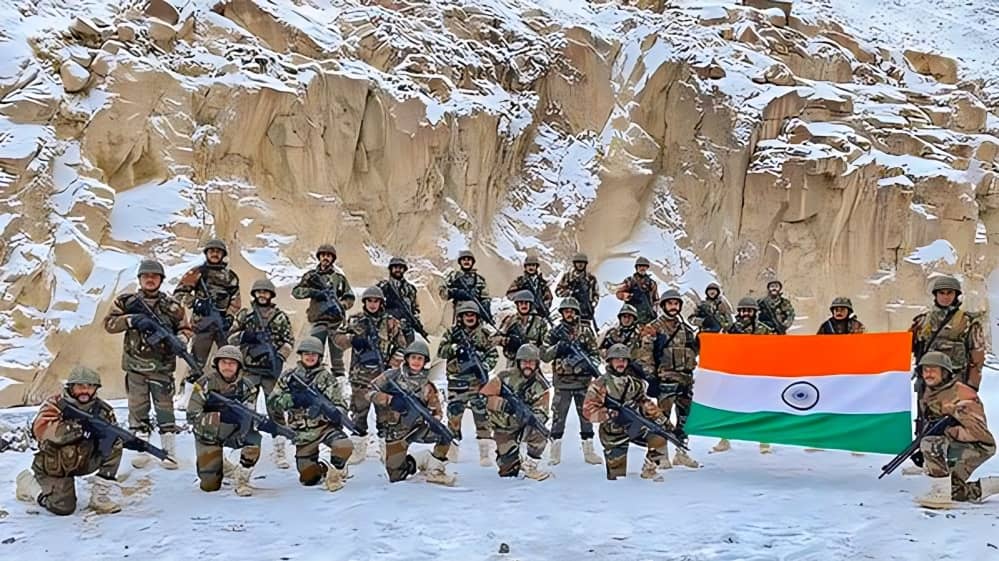
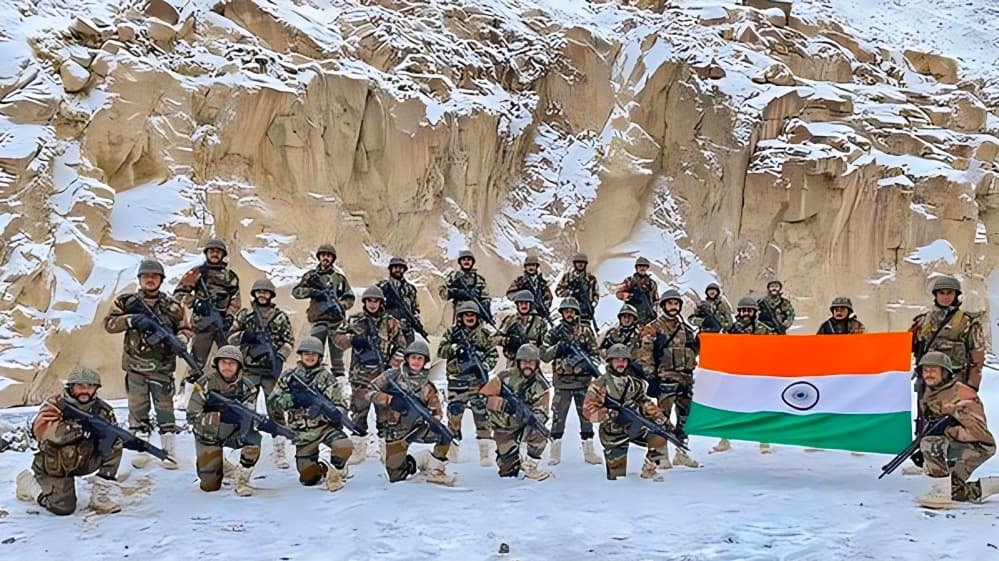
The Galwan Valley clash of June 15 2020 stands as one of the most serious military confrontations between India and China in recent decades. The violent encounter took place along the Line of Actual Control in eastern Ladakh, an area that has witnessed periodic tensions due to differing perceptions of the boundary. Twenty Indian soldiers were killed during the confrontation, making it the first fatal clash between the two sides along the border in over four decades.
The incident occurred against the backdrop of escalating tensions in early 2020, when multiple friction points emerged in eastern Ladakh. Reports indicated troop movements, infrastructure development and face offs between Indian Army personnel and the People Liberation Army. Diplomatic engagements and military level talks had been initiated to de escalate the situation. However, tensions culminated in the violent clash in the Galwan Valley.
The confrontation took place at an altitude of around 14000 feet under extremely harsh weather conditions. Due to existing agreements between the two countries that restrict the use of firearms near the Line of Actual Control, the soldiers engaged in close combat. The terrain, freezing temperatures and steep ridges made the situation even more challenging. The Indian Army later stated that its troops displayed exceptional courage and determination in the face of adversity.
The clash marked a strategic turning point for India military posture along the northern borders. Following the incident, India undertook a series of measures including enhanced troop deployment, accelerated border infrastructure development and closer surveillance along sensitive sectors. Additional military assets were moved to forward areas to ensure preparedness against future contingencies.
Diplomatic efforts also intensified after the clash. Multiple rounds of Corps Commander level talks were held between the two sides to address disengagement at friction points. Both governments emphasised the importance of maintaining peace and stability along the border while continuing dialogue to resolve differences. Partial disengagement was achieved in certain sectors over time, though tensions have continued to influence bilateral relations.
The Galwan incident had broader geopolitical implications as well. It reshaped strategic calculations in New Delhi and reinforced focus on strengthening defence capabilities. It also influenced public discourse within India, where the sacrifice of the soldiers was widely acknowledged and commemorated.
Military analysts describe the clash as a defining moment in contemporary India China relations. Beyond the immediate tactical consequences, it underscored the volatility of the disputed border and the importance of sustained diplomatic engagement alongside military preparedness.
Nearly years after the incident, the Galwan Valley clash continues to shape policy decisions and defence planning. It remains a reference point in discussions about border management, national security and regional stability in the Himalayas.


