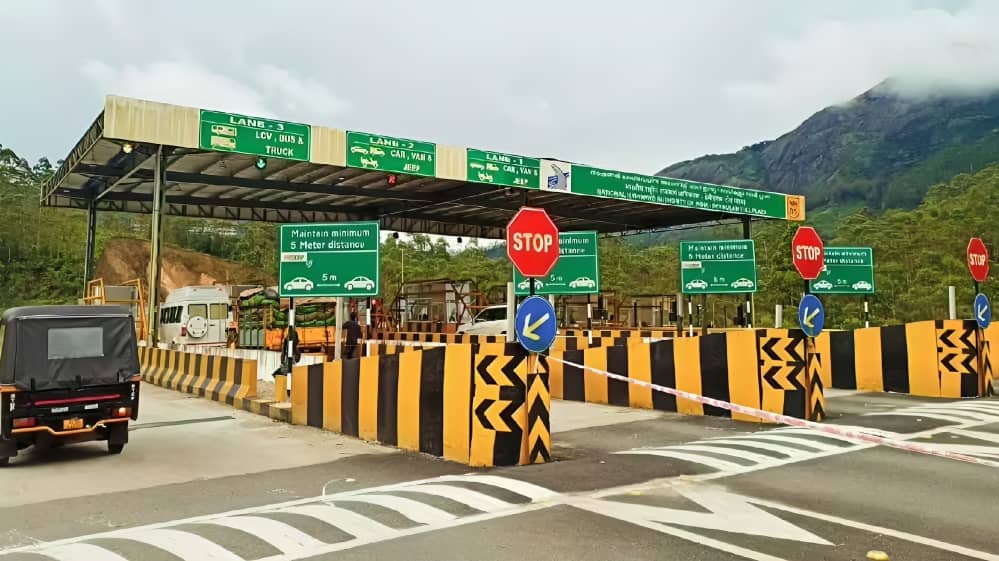
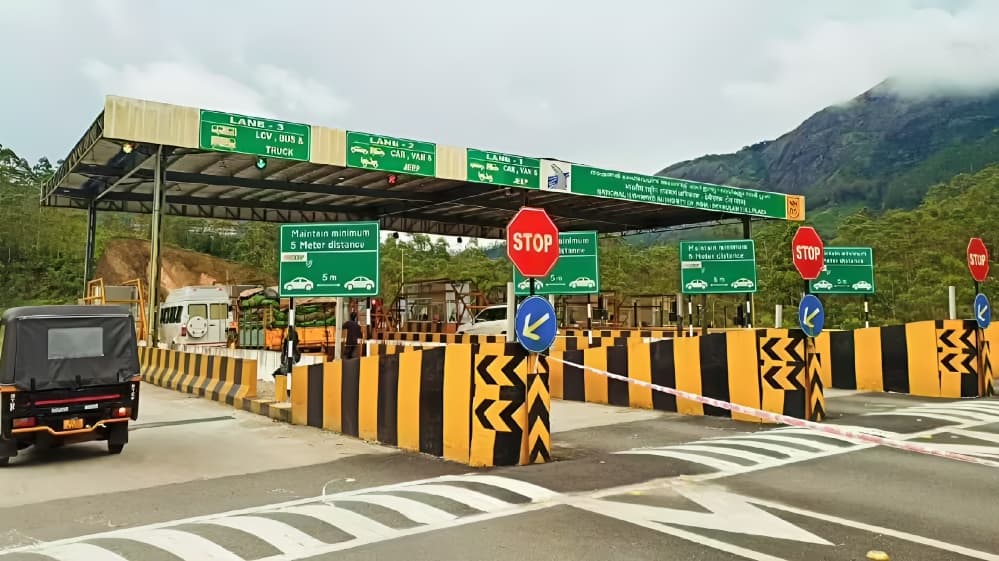
The Union Ministry of Road Transport and Highways has introduced new rules for highway travel, making digital payments mandatory at toll plazas from April 10. Under the new system, cash transactions will no longer be accepted, and commuters will be required to use FASTag or UPI based payment methods to pay toll charges.
This move is part of the government’s efforts to modernize the toll collection system and improve efficiency across national highways. By eliminating cash payments, authorities aim to reduce waiting time at toll booths, minimize traffic congestion and ensure a smoother travel experience for commuters.
FASTag, which uses radio frequency identification technology, allows automatic deduction of toll charges from a linked bank account or prepaid wallet as vehicles pass through toll plazas. The system has already been implemented widely across the country, and the new rule further strengthens its adoption. In addition to FASTag, UPI payments will also be accepted, providing commuters with an alternative digital payment option.
Officials have stated that the decision will help bring greater transparency to toll collection and reduce the chances of revenue leakage. It is also expected to curb misuse of toll fee exemptions, as digital transactions create a clear record of payments. The move aligns with the broader push towards digital transactions in India.
Commuters have been advised to ensure that their FASTag accounts are active and have sufficient balance before travelling. Vehicles without a valid FASTag may face penalties or delays at toll plazas. Authorities have also encouraged users to link their FASTag with bank accounts or digital wallets for seamless transactions.
The introduction of UPI as an additional payment option is expected to benefit users who prefer mobile based transactions. With the growing popularity of digital payments in India, the inclusion of multiple options aims to make the system more accessible and user friendly.
The new rules also emphasize proper identification and compliance at toll plazas. While digital payments will be the primary mode, authorities have indicated that strict monitoring will be in place to ensure adherence to the guidelines. Toll operators have been instructed to upgrade their systems and infrastructure to support the new payment methods.
Transport experts believe that the transition to a fully digital toll system will significantly improve highway management. Reduced stoppage time at toll plazas can lead to better fuel efficiency and lower emissions, contributing to environmental benefits.
However, some challenges may arise during the initial phase of implementation, particularly for users who are not familiar with digital payment systems. To address this, awareness campaigns and support services are being planned to help commuters adapt to the changes.
The government has also indicated that it will continue to review the system and make improvements based on feedback from users and stakeholders. The goal is to create a seamless and efficient toll collection process that benefits both commuters and authorities.
Overall, the decision to discontinue cash payments at toll plazas marks a significant step towards digital transformation in highway travel. As the new rules come into effect from April 10, commuters are encouraged to prepare in advance and make use of digital payment options for a smoother and more convenient travel experience.