The central government is expected to introduce two important bills during the ongoing Parliament session to facilitate the implementation of the women’s reservation law ahead of the delimitation exercise. The proposed legislation is aimed at ensuring that reservation for women in legislative bodies is put into effect without waiting for the completion of constituency reorganisation.
According to sources, the proposed bills may also include provisions to increase the total number of seats in the Lok Sabha to 816. This potential expansion is linked to the delimitation process, which involves redrawing the boundaries of parliamentary constituencies based on population changes and other factors. The increase in seats is expected to accommodate future demographic shifts and improve representation across regions.
The women’s reservation law, which seeks to provide a fixed percentage of seats for women in Parliament and state assemblies, has been a subject of extensive discussion over the years. While the law has already been passed, its implementation has been tied to the completion of delimitation. The proposed move by the government indicates an effort to accelerate the process and ensure that the benefits of the legislation are realised at the earliest.
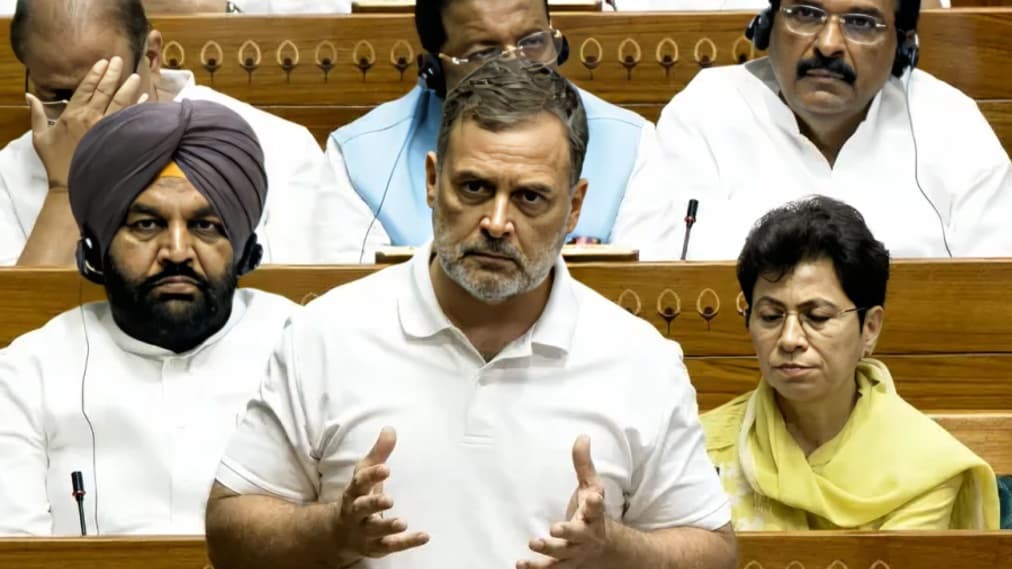
The introduction of these bills is likely to generate significant debate in Parliament, with political parties expressing their views on representation, electoral reforms, and the timing of implementation. Supporters of the move argue that early implementation of women’s reservation will strengthen gender equality in political representation and encourage greater participation of women in governance.
At the same time, the delimitation exercise remains a key component of the electoral framework. It aims to ensure that constituencies are balanced in terms of population and representation. The process is typically carried out after a census and is essential for maintaining fairness in the electoral system.
Experts note that the proposal to increase Lok Sabha seats could have wide ranging implications. It may lead to changes in political dynamics, party strategies, and representation patterns across states. An increase in seats could also provide an opportunity to address regional imbalances and improve access to political representation for various communities.
The government’s approach reflects a broader focus on electoral reforms and institutional strengthening. By addressing both reservation and delimitation together, policymakers aim to create a more inclusive and representative legislative framework.
Election authorities and administrative bodies are expected to play a key role in implementing these changes, ensuring that all procedures are carried out in accordance with legal and constitutional provisions. Transparency and adherence to established guidelines will be essential for maintaining public trust in the process.
As discussions progress, stakeholders from different sectors are likely to contribute to the debate, highlighting the importance of balancing timely implementation with procedural requirements. The outcome of these proposals will have a lasting impact on the structure and functioning of India’s parliamentary system.
The development marks a significant step in the ongoing efforts to enhance representation and inclusivity in governance. The coming weeks are expected to provide more clarity on the details of the proposed bills and their potential implications for the country’s political landscape.