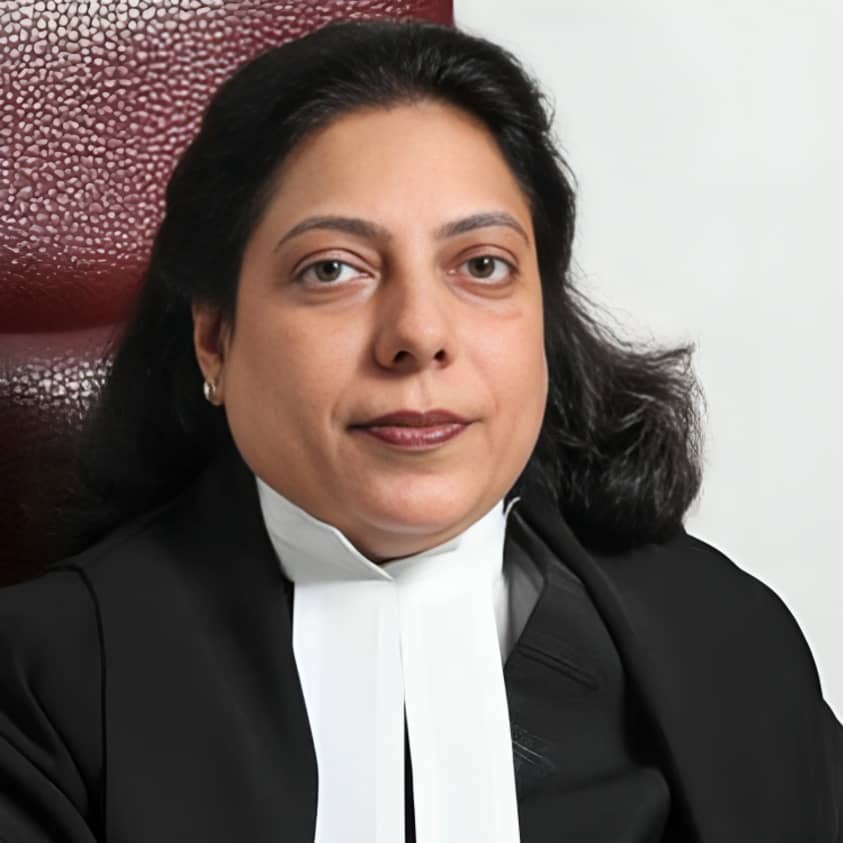
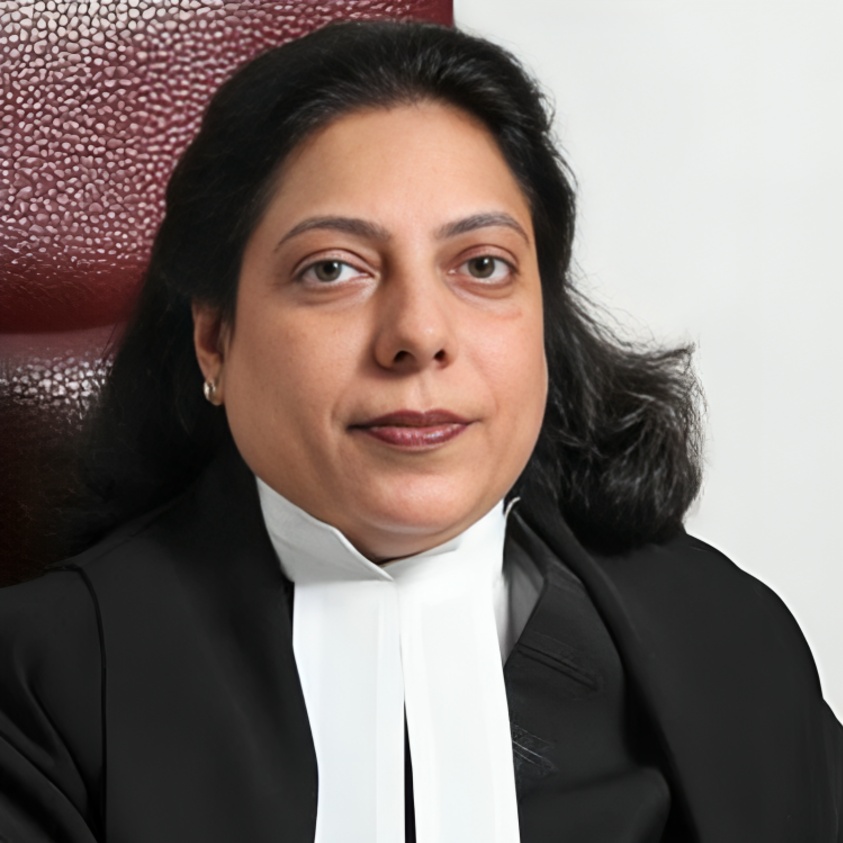
The Indian Institute of Technology Delhi has reconstituted its external inquiry committee to examine the circumstances surrounding the death of 31 year old MSc Physics student Rishikesh Kumar. The institute has appointed retired Delhi High Court judge Justice Mukta Gupta as the new chairperson of the committee.
The decision comes after former Uttarakhand Director General of Police and IIT Delhi alumnus Ashok Kumar, who was initially proposed to lead the panel, recused himself from the committee. He reportedly cited prior commitments for his decision to step aside.
The new panel has been constituted amid continuing concern and protests on the IIT Delhi campus following Kumar’s death. Students had demanded an independent investigation and raised questions about the institute’s response and student support mechanisms.
According to information released by the institute, the reconstituted committee will examine the circumstances surrounding the student’s death and review relevant institutional protocols and processes. The panel will also interact with students, faculty members and officials from the concerned administrative offices.
The committee has been asked to make recommendations based on its findings and complete its report within two weeks. The inquiry is therefore expected to focus not only on the circumstances of the incident but also on whether existing institutional systems adequately address student concerns and support requirements.
The committee will include Justice Mukta Gupta as chairperson, Professor Pratap Sharan, Head of the Department of Psychiatry at AIIMS New Delhi, four student representatives and the IIT Delhi Registrar, who will serve as secretary and convenor.
The inclusion of student representatives is significant because students had been demanding greater participation and an independent examination of the issues surrounding the incident. The reconstituted panel is expected to provide an opportunity for students to present their concerns directly to the committee.
Rishikesh Kumar was a second year MSc Physics student at IIT Delhi. He died on August 22 after falling from the sixth floor of the Lecture Hall Complex on the institute campus. Police have stated that no suicide note was found, and the circumstances surrounding his death remain under investigation.
The incident triggered protests among students at the institute. Students demanded an independent inquiry and raised concerns about the administration’s handling of student welfare and support systems.
The initial inquiry committee was announced by IIT Delhi Director Professor Rangan Banerjee following the protests. The original committee included former Uttarakhand DGP Ashok Kumar, an AIIMS psychiatry professor, student representatives and the institute Registrar.
However, students had objected to the initial composition of the committee and specifically sought a panel headed by a former High Court judge. The appointment of Justice Mukta Gupta as chairperson addresses one of the key demands raised during the campus protests.
The institute has said that the external inquiry will examine the circumstances leading to the incident and review relevant records, protocols and processes. The committee will then recommend measures that could strengthen student support systems.
The inquiry is expected to examine the institute’s existing mechanisms for identifying and responding to student concerns. It will also provide an opportunity to assess whether administrative procedures and support systems require changes.
The death has also raised wider questions about mental health support and student welfare at higher educational institutions. IIT Delhi, like other major academic institutions, has counselling and medical support systems for students. The inquiry could examine how such systems function in practice and whether students can access appropriate assistance when they face difficulties.
Reports have said that Kumar had received counselling and medical support from institute staff before his death. He had also taken approved academic leave from subsequent semesters. These details may form part of the broader examination of the circumstances surrounding his death.
The inquiry should distinguish between verified facts, allegations and claims made by students or family members. The purpose of the external committee is to examine the available information and provide recommendations based on its findings.
The appointment of a retired High Court judge as the chairperson could also strengthen the perception of independence surrounding the inquiry. Justice Mukta Gupta brings experience from her tenure in the Delhi High Court and will lead the committee through the examination process.
The panel is expected to speak with relevant students, faculty members and administrative officials. It will also review the protocols and processes followed by the institute in dealing with student welfare and grievances.
Student protests have continued on the campus following the death. Students have raised several demands, including accountability, an independent investigation, changes in student welfare administration and financial assistance for the deceased student’s family.
The protests have added pressure on the institute to ensure that the investigation is transparent and credible. The reconstitution of the committee therefore represents an important development in the institute’s response to the situation.
Former Uttarakhand DGP Ashok Kumar’s decision to recuse himself was reportedly based on prior commitments. His withdrawal does not mean that any finding has been made about his suitability or conduct. The institute subsequently appointed Justice Mukta Gupta as the new chairperson.
The committee’s work will now focus on understanding the circumstances surrounding Kumar’s death and identifying whether institutional procedures require improvement.
The inquiry could also consider the effectiveness of grievance redressal mechanisms available to students. An external ombudsperson had earlier been proposed by IIT Delhi to address student grievances that remain unresolved through existing internal systems.
Such mechanisms are intended to provide students with additional channels to raise concerns when they believe existing systems have not adequately addressed their problems.
The case has also attracted attention because it concerns a student at one of India’s leading technical institutions. The incident has prompted discussions about the pressures faced by students in higher education and the responsibility of institutions to provide accessible and effective support.
At the same time, the circumstances surrounding an individual death should not be assumed without the findings of the appropriate investigation. Police and the external committee have separate responsibilities, and the final understanding of the incident will depend on the evidence available to them.
The external committee’s two week timeline means that its findings could be available relatively soon. The report may include recommendations concerning student support, counselling, grievance mechanisms, administrative procedures and other institutional safeguards.
The committee’s interaction with students will be particularly important because students were among those who initially demanded an independent investigation. Their accounts may provide information about the functioning of existing support systems and the concerns that prompted the protests.
Faculty members and administrative officials will also have an opportunity to explain the procedures followed by the institute. Reviewing records and protocols will allow the committee to compare institutional policies with the actions taken in the circumstances under examination.
The reconstituted panel therefore has a broader task than simply examining the immediate circumstances of the death. It has also been asked to review the institutional processes that may affect student welfare and support.
For IIT Delhi, the inquiry represents an opportunity to address concerns raised by students and strengthen confidence in its internal systems. The recommendations could potentially influence how the institute handles student grievances and welfare concerns in the future.
For students, the appointment of Justice Mukta Gupta may provide greater confidence that their concerns will be examined by an independent external figure with judicial experience.
The institute has also provided financial assistance to Kumar’s family through contributions from faculty members, students and staff, according to reports. The issue of support for the family has been among the concerns raised during the protests.
The ongoing situation has also highlighted the need for educational institutions to maintain clear and accessible mechanisms for students who require academic, medical or counselling assistance.
The final report of the external committee will be important in determining whether changes are required. Until the inquiry is completed, allegations concerning institutional lapses should be treated as matters for examination rather than established findings.
The committee’s composition now includes judicial, medical, student and institutional representation. This combination is intended to provide different perspectives while allowing the panel to examine the issue comprehensively.
The appointment of Justice Mukta Gupta marks a significant change from the original panel. It follows student demands for a former High Court judge to head the investigation and comes as protests over the incident continue.
Overall, IIT Delhi has reconstituted its external inquiry committee into the death of MSc Physics student Rishikesh Kumar, appointing retired Delhi High Court judge Justice Mukta Gupta as chairperson.
The panel will examine the circumstances surrounding the death, review institutional protocols and processes, interact with students, faculty and administrative officials, and recommend measures to strengthen student support systems. The committee has been asked to submit its report within two weeks.
The investigation is expected to receive close attention as students continue to seek transparency and accountability from the institute. The final findings and recommendations will determine the next steps for IIT Delhi in addressing the concerns raised following the student’s death.