New Delhi
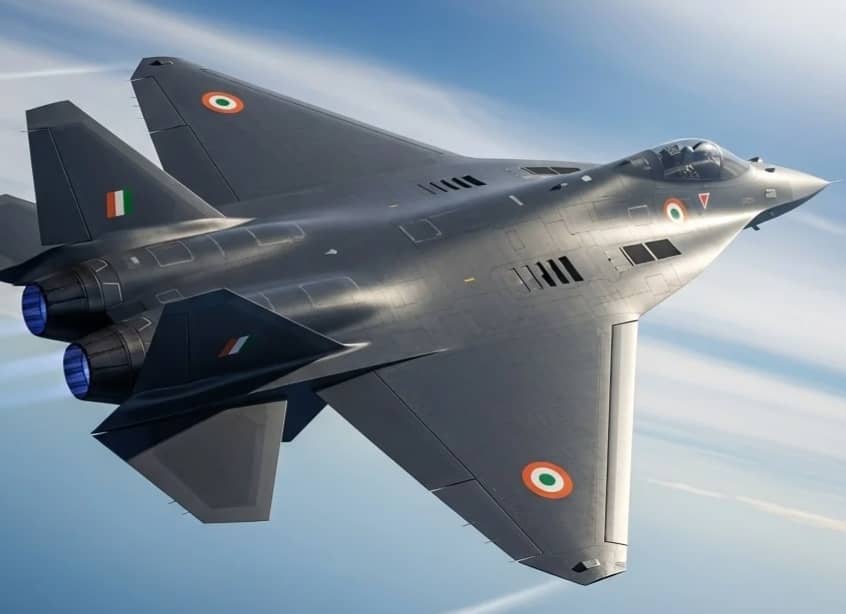
India is taking steps towards entering an exclusive group of nations that are developing sixth generation fighter jets, marking a significant advancement in its defence and aerospace capabilities. The initiative reflects a broader strategy to enhance technological self reliance and strengthen national security.
Sixth generation fighter jets represent the next phase of military aviation, building on the capabilities of fifth generation aircraft such as stealth, speed and advanced avionics. These next generation platforms are expected to incorporate cutting edge technologies, including artificial intelligence driven systems, enhanced stealth features, network centric warfare capabilities and improved human machine interaction.
Currently, only a few countries are actively engaged in developing sixth generation fighter programmes. These include the United States, the United Kingdom and partners involved in collaborative projects, as well as other advanced economies investing in future combat air systems. By pursuing similar capabilities, India aims to position itself among leading nations in defence innovation.
The development of such advanced aircraft requires extensive research, high levels of investment and collaboration between government agencies, defence organisations and private sector partners. In India, institutions such as the Defence Research and Development Organisation are expected to play a key role in advancing these efforts.
Experts note that sixth generation fighter jets are likely to feature a range of advanced systems, including optional manned operations, integration with unmanned aerial vehicles, and real time data sharing across multiple platforms. These capabilities are designed to enhance situational awareness and improve operational effectiveness in complex combat environments.
The move towards developing such technology also aligns with India’s focus on indigenous defence production under initiatives aimed at reducing dependence on imports. Strengthening domestic capabilities in aerospace manufacturing can contribute to long term strategic and economic benefits.
However, the development of sixth generation fighter jets presents several challenges. These include high development costs, technological complexities and long timelines. Countries working on similar projects often engage in international collaborations to share resources and expertise. India may also explore partnerships to accelerate progress and overcome technical hurdles.
The potential entry into this elite group highlights India’s ambitions in the defence sector. It signals a shift towards adopting advanced technologies that can shape the future of aerial combat. At the same time, experts emphasise the importance of careful planning and sustained investment to ensure the success of such programmes.
As global defence dynamics continue to evolve, advancements in military technology are expected to play a crucial role in maintaining strategic balance. India’s efforts to develop sixth generation fighter jets reflect its intent to remain competitive and prepared for future challenges.
Further announcements and developments are expected as the project progresses, providing more clarity on timelines, partnerships and technological goals. The initiative is likely to be closely watched both within the country and internationally.