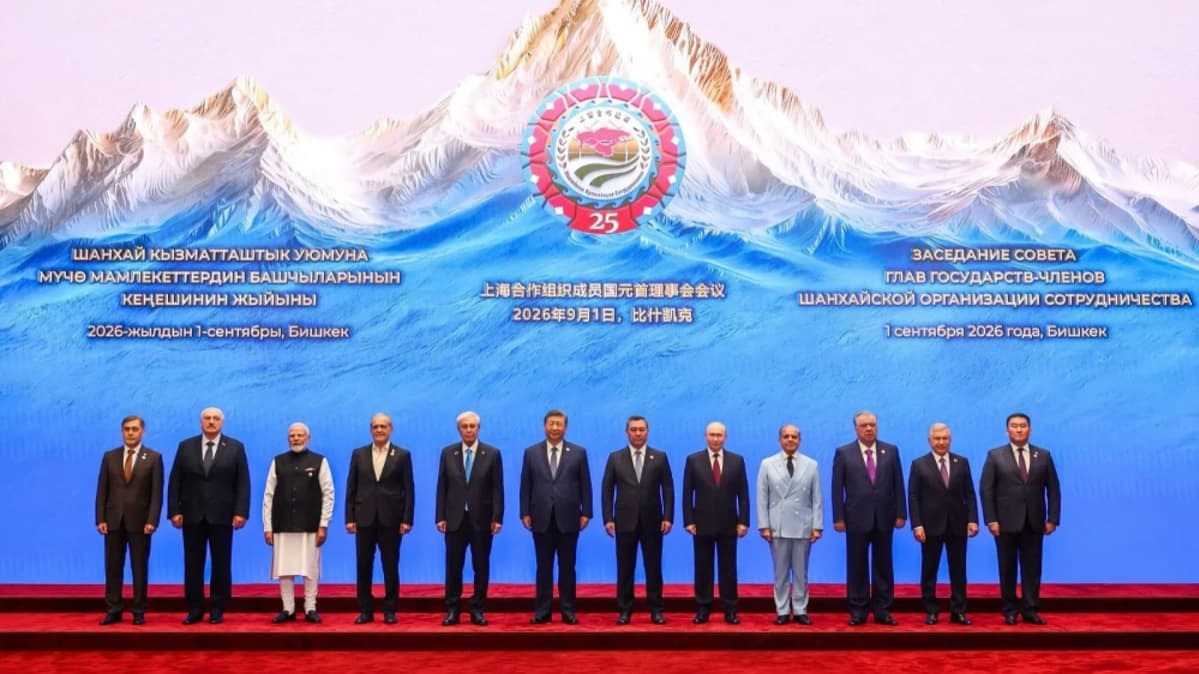
India has invited Pakistan's culture minister to attend the inaugural Shanghai Cooperation Organisation Civilisational Dialogue in New Delhi, marking a notable development in relations between the two neighbouring countries. The invitation comes after Operation Sindoor, at a time when diplomatic relations between India and Pakistan remain strained.
The proposed participation has attracted attention because official engagement between the two countries has remained a sensitive issue following the military operation. The invitation represents an opportunity for Pakistan to participate in a multilateral cultural event hosted in India under the framework of the Shanghai Cooperation Organisation.
The Civilisational Dialogue is intended to provide a platform for discussions about cultural heritage, historical connections and civilisational traditions among participating countries. Its focus differs from direct bilateral negotiations on security and other contentious issues, although developments involving India and Pakistan often carry wider diplomatic significance.
The invitation should not automatically be interpreted as a major shift in India's policy towards Pakistan. It is an invitation connected to an SCO event, and its broader implications will depend on the response from Pakistan and the subsequent developments surrounding the dialogue.
What Is the SCO Civilisational Dialogue
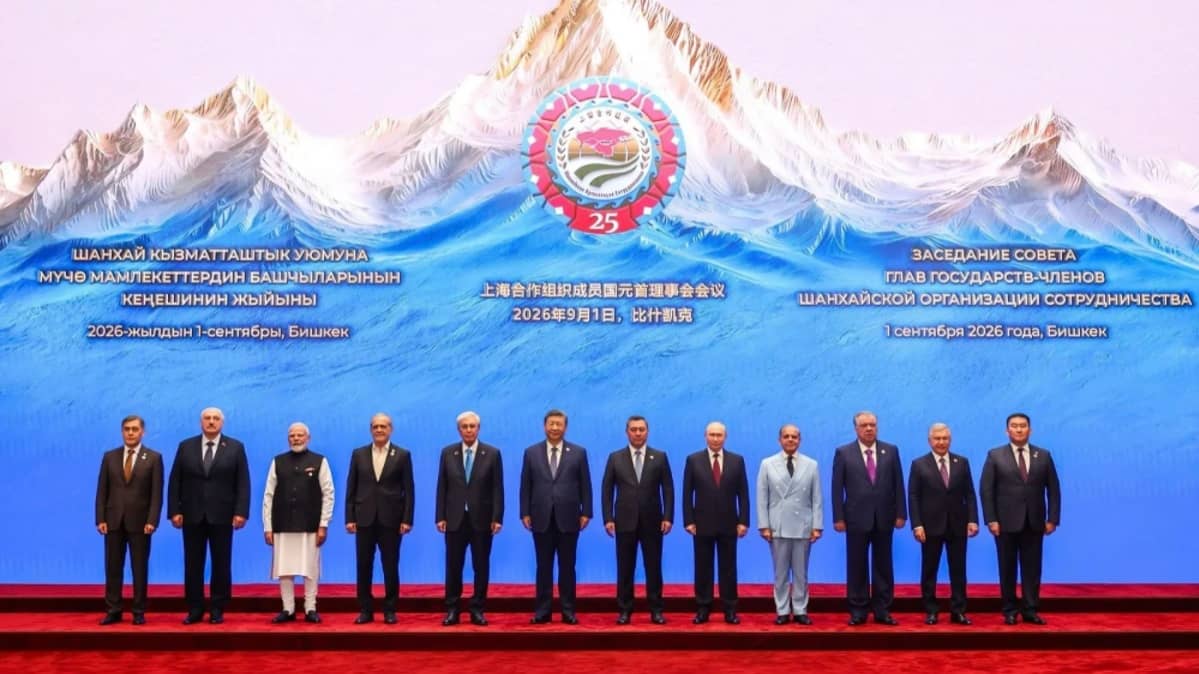
The Shanghai Cooperation Organisation is a regional intergovernmental organisation that brings together countries to promote cooperation in areas including security, economic relations and cultural exchanges.
Its multilateral framework provides opportunities for member states and participating representatives to engage on issues of common interest. Cultural and civilisational exchanges can help countries discuss their historical traditions, heritage and shared experiences without necessarily resolving their political disagreements.
The inaugural Civilisational Dialogue in New Delhi is significant because it places cultural engagement at the centre of an international gathering. Such events can offer participating countries an opportunity to exchange perspectives and strengthen people-to-people connections.
India's invitation to Pakistan's culture minister has therefore drawn attention beyond the event itself. The two countries share historical and cultural connections, but their relationship has also been affected by longstanding political and security disputes.
Whether the invitation results in Pakistan's participation remains an important aspect of the development. An invitation and confirmed attendance are separate matters, and the final details would depend on the official response and event arrangements.
Invitation Comes After Operation Sindoor
The invitation comes in the aftermath of Operation Sindoor, which has become an important reference point in recent India-Pakistan relations.
Developments following the operation have kept bilateral ties under close scrutiny. Security concerns and political disagreements continue to influence how the two governments approach official engagement.
Against this backdrop, the invitation to Pakistan's culture minister is noteworthy because it concerns participation in an international event hosted by India. It creates a potential opportunity for representatives of the two countries to be associated with the same multilateral gathering.
However, cultural engagement should be distinguished from negotiations on security, terrorism or other bilateral disputes. Participation in an international dialogue does not necessarily indicate that the countries have resolved their differences or agreed to resume broader diplomatic discussions.
The significance of the invitation will depend on how both governments handle the matter and whether any further official engagement takes place alongside the event.
India and Pakistan Continue to Face Diplomatic Challenges
India and Pakistan have a complex relationship shaped by historical disputes, security concerns and differences over several political issues. Official interactions between the two countries are therefore often examined for possible indications of changes in their diplomatic approach.
Multilateral organisations can provide opportunities for engagement even when bilateral relations are difficult. Representatives may participate in discussions on cultural, economic or regional matters while their governments continue to maintain separate positions on contentious issues.
The SCO framework is particularly relevant because it brings together countries with different political systems, historical experiences and strategic interests. Its activities can provide a setting for cooperation on selected issues without requiring every participating country to agree on all matters.
India's invitation to Pakistan's culture minister fits within this broader context of multilateral engagement. It offers a possible channel for cultural interaction, but the extent of any diplomatic impact remains uncertain.
Cultural Diplomacy and Regional Cooperation
Cultural diplomacy can help countries maintain channels of communication and encourage dialogue about shared heritage. Events focusing on civilisation, history and cultural traditions may allow participants to exchange ideas even when political relations are strained.
India and Pakistan have connections through languages, literature, music, architecture, food and historical traditions. These links form part of the wider cultural history of South Asia, although the two countries have distinct national identities and political perspectives.
A multilateral cultural event can provide a setting for discussing these connections in a structured environment. It can also create opportunities for participating countries to present their own cultural traditions and learn about those of others.
Nevertheless, cultural exchanges cannot independently resolve deeper political or security disputes. Their role is generally more limited, providing opportunities for communication and cooperation in areas where participation may be possible despite broader disagreements.
For this reason, the invitation to Pakistan's culture minister is best understood as a development in multilateral cultural engagement rather than definitive evidence of a wider diplomatic breakthrough.
What Happens Next
The next important development will be Pakistan's response to the invitation and confirmation of participation, if any. Further official information about the event, its schedule and the participating delegations would help clarify the practical significance of the invitation.
If Pakistan participates, the dialogue could provide an opportunity for representatives of both countries to be associated with a cultural event under the SCO framework. Even so, the implications for bilateral relations would depend on the wider diplomatic circumstances and any subsequent decisions by the two governments.
For now, India's invitation has attracted attention because it comes after Operation Sindoor and amid continuing tensions between the neighbouring countries. It highlights the potential role of multilateral cultural platforms in maintaining limited avenues for engagement.
The development will be watched for what it reveals about cultural cooperation and diplomatic communication, while any claims of a broader improvement in India-Pakistan relations will require further evidence.