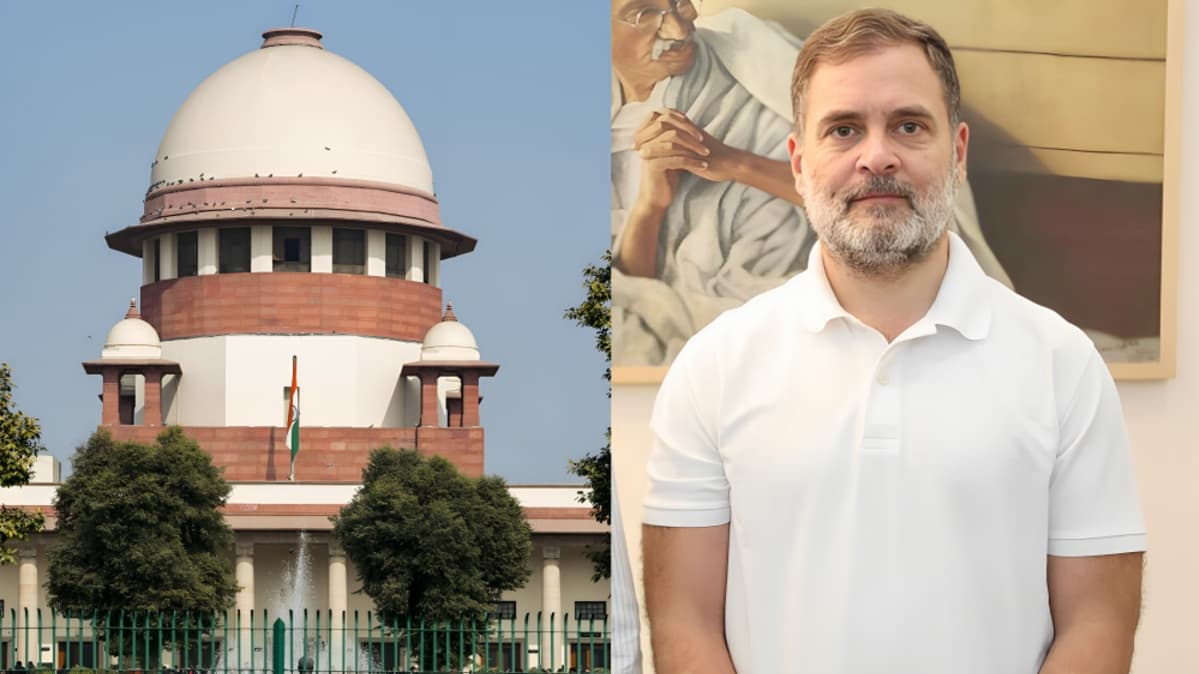
Supreme Court Seeks Rahul Gandhi's Response Over Alleged Pushing of Pregnant Journalist
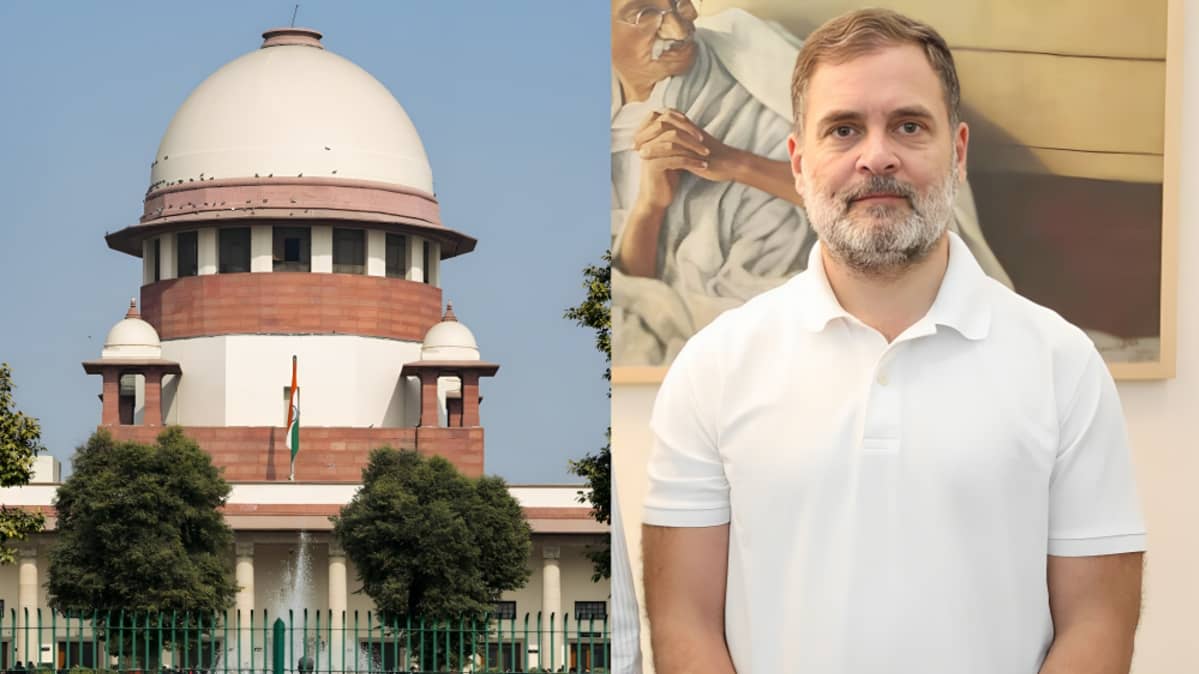
The Supreme Court of India on October 27 sought responses from Congress leader Rahul Gandhi and others on an application alleging that a pregnant journalist was pushed during an opposition march to the court on October 12. The application seeks directions for the registration of a First Information Report and compensation for the journalist.
A bench comprising Chief Justice Surya Kant and Justice Joymalya Bagchi issued notice after senior advocate Gaurav Bhatia brought the application before the court. The matter arises from an ongoing legal dispute concerning demonstrations near judicial premises and the conduct of political leaders and their supporters during the October 12 march.
The allegations are part of a pending legal proceeding. The Supreme Court's decision to issue notice means that the respondents have been asked to respond to the application. It does not establish that the alleged incident occurred as described or that Rahul Gandhi is guilty of any offence.
What the Application Alleges
According to the application, the incident occurred inside the Supreme Court premises when Rahul Gandhi and other opposition leaders arrived with supporters on October 12. The group had come to submit a petition concerning alleged irregularities in the Special Intensive Revision of electoral rolls.
The application alleges that Gandhi pushed the journalist towards a gate, causing her to lose her balance and fall. It claims that the incident occurred in a crowded area in the presence of security personnel, journalists and other people.
Senior advocate Gaurav Bhatia told the court that the journalist was three months pregnant and had required hospital treatment following the alleged incident. The application argues that the incident should be investigated rather than treated as an ordinary consequence of crowd movement.
These details represent allegations contained in the application and submissions made before the court. The facts will need to be assessed through the appropriate legal process before any conclusions can be drawn.
Petitioner Seeks FIR and Compensation
The application asks the Supreme Court to direct the registration of an FIR against Gandhi and others allegedly involved in the incident. It also seeks compensation for the journalist.
The petitioner has asked the court to consider the circumstances described in the application and ensure that the allegations are investigated by the appropriate authorities. The request for an FIR is a demand for formal criminal investigation, not a finding that a criminal offence has already been proved.
The Supreme Court's notice gives the respondents an opportunity to place their responses before the bench. Further proceedings will determine how the application is considered and whether the court issues additional directions.
The court has not, through the issuance of notice alone, ruled on the truth of the allegations or determined criminal responsibility. Any investigation or subsequent legal action will have to follow the applicable law and the evidence available.
Background to the October 12 Opposition March
The alleged incident took place during a march by Rahul Gandhi and several opposition leaders to the Supreme Court on October 12. The protest was connected to opposition concerns about the Special Intensive Revision of electoral rolls, a process used to review and update voter registration records.
Opposition leaders had raised concerns about alleged deletions of eligible voters and other irregularities in the revision process. The march was intended to bring their objections before the court through legal proceedings.
The protest also formed part of wider demonstrations calling for the resignation of Chief Election Commissioner Gyanesh Kumar over the handling of the electoral roll revision exercise. Those demands and allegations remain part of the broader political and legal dispute.
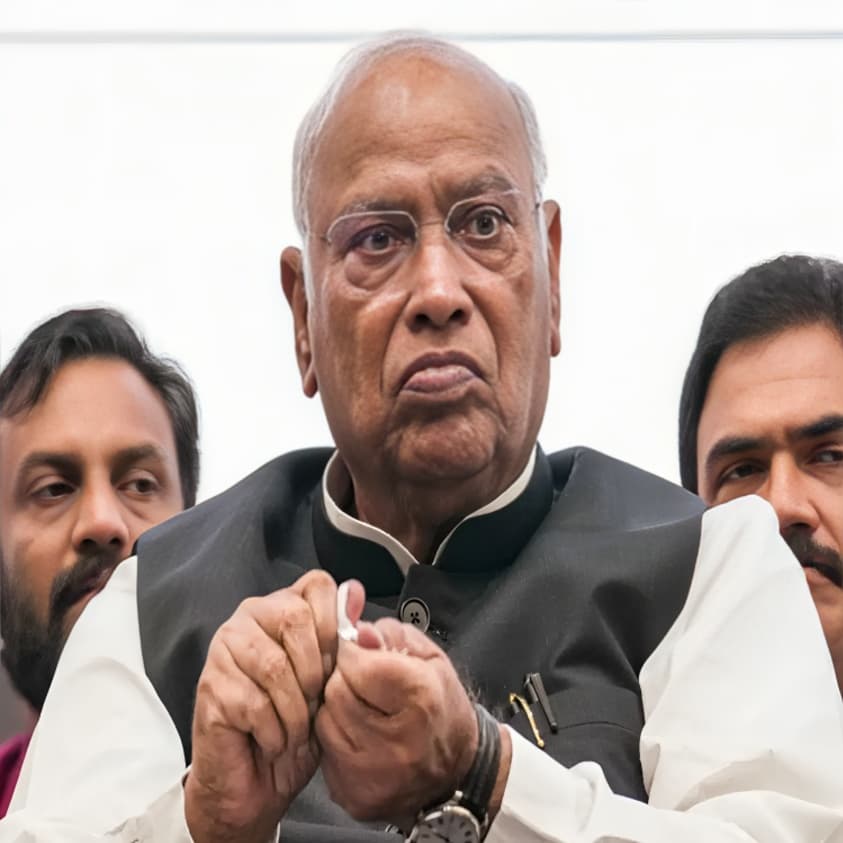
The Supreme Court has been considering related petitions concerning the conduct of demonstrations around judicial premises. In separate proceedings, the court issued notices to Rahul Gandhi, Congress president Mallikarjun Kharge, Samajwadi Party chief Akhilesh Yadav, Trinamool Congress MP Mahua Moitra and other respondents over a petition challenging the October 12 march.
The court has also directed the preservation of CCTV footage and other digital evidence connected with the march in the related proceedings. Such material may be relevant to establishing the circumstances surrounding events on the premises.
Legal Process and Next Steps
The latest application adds a specific allegation involving the journalist to the broader dispute over the opposition march. The Supreme Court will have to consider the submissions made by the petitioner and the responses from the people named in the application.
The court's notice is an important procedural step because it formally brings the respondents into the proceedings on the issue. However, it should not be reported as a conviction, a finding of guilt or a final decision directing that the allegations be accepted as true.
The distinction between an allegation and a judicial finding is particularly important in cases involving public figures and alleged criminal conduct. The journalist's account, the material submitted by the petitioner and any responses from the respondents must be considered through the relevant legal process.
The case also highlights questions about journalists' safety while covering political demonstrations and the responsibilities of public figures, security personnel and organisers in crowded areas. Journalists must be able to report public events safely, while allegations of misconduct must be investigated fairly and impartially.
Further developments will depend on the responses filed before the Supreme Court and any subsequent orders issued by the bench. Until the court reaches findings on the disputed facts, the incident should be described as an allegation contained in a pending application.