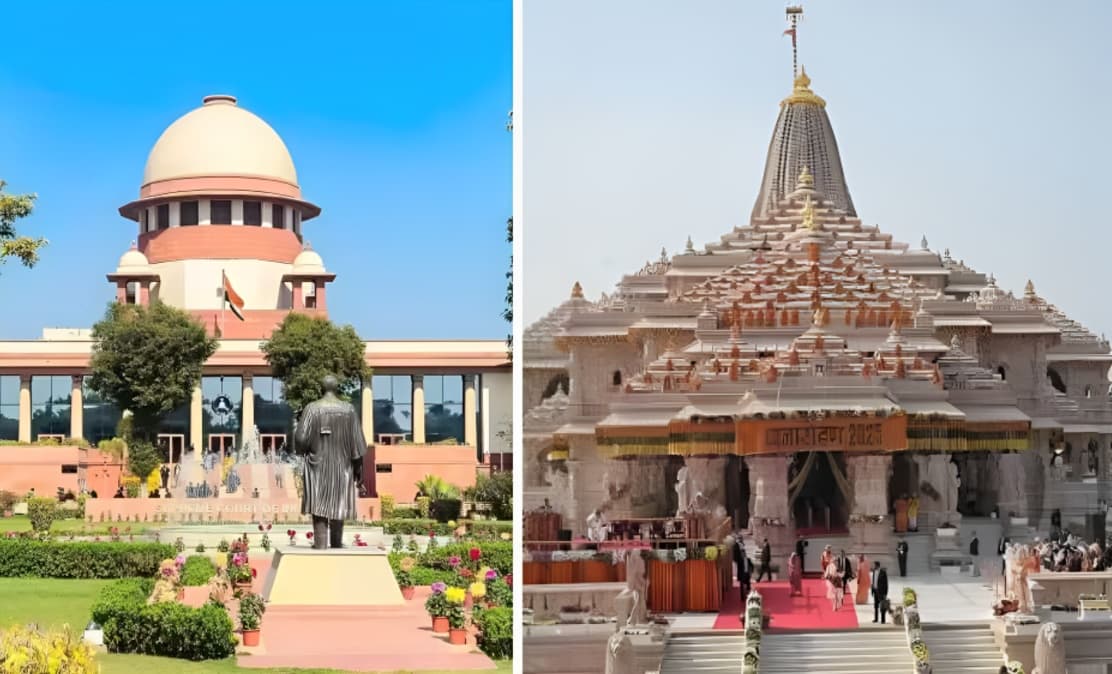
Congress Demands Supreme Court Monitored Probe into Alleged Ram Temple Donation Theft
The Congress has demanded an independent investigation monitored by the Supreme Court into allegations of theft and financial irregularities involving donations made to the Ram temple. The demand has intensified the political debate over financial transparency, accountability and the management of contributions made by devotees.
Congress leaders have questioned the transparency of the investigation and raised concerns about the handling of funds, financial audits and claims that receipts for certain transactions are missing. The party has urged authorities to examine these concerns independently and ensure that donation records are properly reviewed.
The issue has brought renewed attention to the importance of transparent financial management in religious institutions, particularly those that receive contributions from large numbers of devotees.
Congress Calls for an Independent Investigation
The Congress has argued that an investigation monitored by the Supreme Court would help address concerns about the impartiality of the inquiry. According to the party, independent oversight could strengthen public confidence and help establish the facts surrounding the alleged financial irregularities.
Congress leaders have maintained that donations made by devotees should be handled responsibly and accounted for through proper financial procedures. They have also questioned whether the investigation has adequately addressed the concerns raised about the alleged theft.
The party's demand forms part of a broader political discussion about accountability in the management of religious institutions and the need for clear procedures governing the collection, recording and use of donations.
Concerns Over Donation Management
Donations collected for religious institutions can involve substantial contributions from individuals and organisations. Maintaining accurate financial records is essential to ensure that contributions are properly accounted for and used for their intended purposes.
The concerns raised by Congress leaders include the handling of funds, the adequacy of financial audits and allegations that receipts for certain transactions are missing. These issues have prompted calls for closer scrutiny of the relevant financial records.
A detailed review of donation registers, bank statements, accounting entries, payment records and audit documents could help clarify any discrepancies. Such an examination would also help determine whether the concerns relate to administrative shortcomings, documentation errors or other financial irregularities.
Clear accounting procedures and regular audits are important measures for religious institutions that manage public contributions. They can help demonstrate responsible financial management and strengthen the confidence of donors.
Transparency and Public Accountability
The Congress has emphasised that religious faith should not prevent questions about financial accountability. The party argues that transparency in the management of donations is essential to maintaining the trust of devotees and the wider public.
Financial accountability involves recording contributions accurately, documenting expenditure, maintaining receipts and conducting regular audits. Clear procedures for investigating discrepancies can also help institutions address concerns before they develop into larger disputes.
The issue highlights the relationship between public trust and responsible financial management. Devotees who contribute money to religious institutions expect their donations to be handled carefully and in accordance with the stated purposes of the institution.
Greater transparency in financial reporting can help institutions demonstrate that their administrative processes are functioning effectively. It can also make it easier for auditors and relevant authorities to identify and resolve discrepancies.
Why the Congress Wants Supreme Court Monitoring
The Congress has called for Supreme Court monitoring to address its concerns about the independence and credibility of the investigation. The party believes that independent oversight would help ensure that the allegations receive appropriate attention.
Court-monitored investigations are a matter of judicial procedure and depend on the circumstances of a case. The Congress's demand represents its position on how the matter should be investigated.
The party's call has also drawn attention to the distinction between political accountability and the investigative process. Political leaders can raise concerns and seek scrutiny, while the relevant authorities are responsible for examining evidence and determining the facts.
An investigation that carefully reviews the financial records and relevant statements could help clarify the issues surrounding the donations and provide a clearer account of how the funds were managed.
Political Debate Over the Allegations
The Congress's demand has added to the political debate surrounding the alleged Ram temple donation irregularities. The issue concerns public confidence, financial transparency and the responsibility of authorities to examine allegations involving donated funds.
For the Congress, the central concern is whether the handling of donations has been adequately scrutinised and whether the investigation is sufficiently transparent. The party has called for accountability and an independent examination of the issues it has raised.
The matter also underlines the importance of distinguishing between political allegations and established findings. A clear account of the investigation, supported by official information, would help the public understand the nature of the concerns and the steps being taken to address them.
Importance of Proper Financial Records
Maintaining complete financial records is a fundamental part of managing donations. Records of contributions, bank transactions, expenditure and receipts help establish how funds have been received and used.
Regular audits can identify inconsistencies and provide an opportunity to correct accounting errors. When questions arise about particular transactions, supporting documents can help clarify whether the payments were properly recorded and authorised.
For religious institutions that receive contributions from many donors, accessible and accurate financial information can strengthen confidence in their administration. Transparent reporting practices can also help prevent misunderstandings about the use of donations.
The concerns raised by the Congress have therefore placed financial documentation and accountability at the centre of the discussion surrounding the alleged irregularities.
Conclusion
The Congress has demanded an independent investigation monitored by the Supreme Court into allegations of theft and financial irregularities involving Ram temple donations. Party leaders have raised concerns about the handling of funds, audit procedures and claims of missing receipts.
The demand has intensified the debate over transparency and accountability in the management of religious contributions. A thorough examination of the relevant financial records could help clarify the concerns and establish a clearer account of the transactions in question.
The issue has renewed attention on the importance of responsible donation management, proper documentation and transparent financial procedures in religious institutions. These measures are essential to maintaining public confidence and ensuring that contributions are managed responsibly.