Indian Navy Allows Marriage for Agniveers Opting for Two-Year Service Extension Under Agnipath Scheme
New Delhi, November 23, 2026
The Indian Navy has reportedly introduced a significant relaxation in its service rules by allowing Agniveers who opt for an additional two years of service after completing their initial four-year tenure to marry.
The decision is part of a broader effort to make military service more attractive to young recruits under the Agnipath recruitment scheme.
According to the supplied report, the relaxation applies to Naval Agniveers who complete their initial four-year service period and choose to continue for another two years under an arrangement known as the Second Tour of Duty.
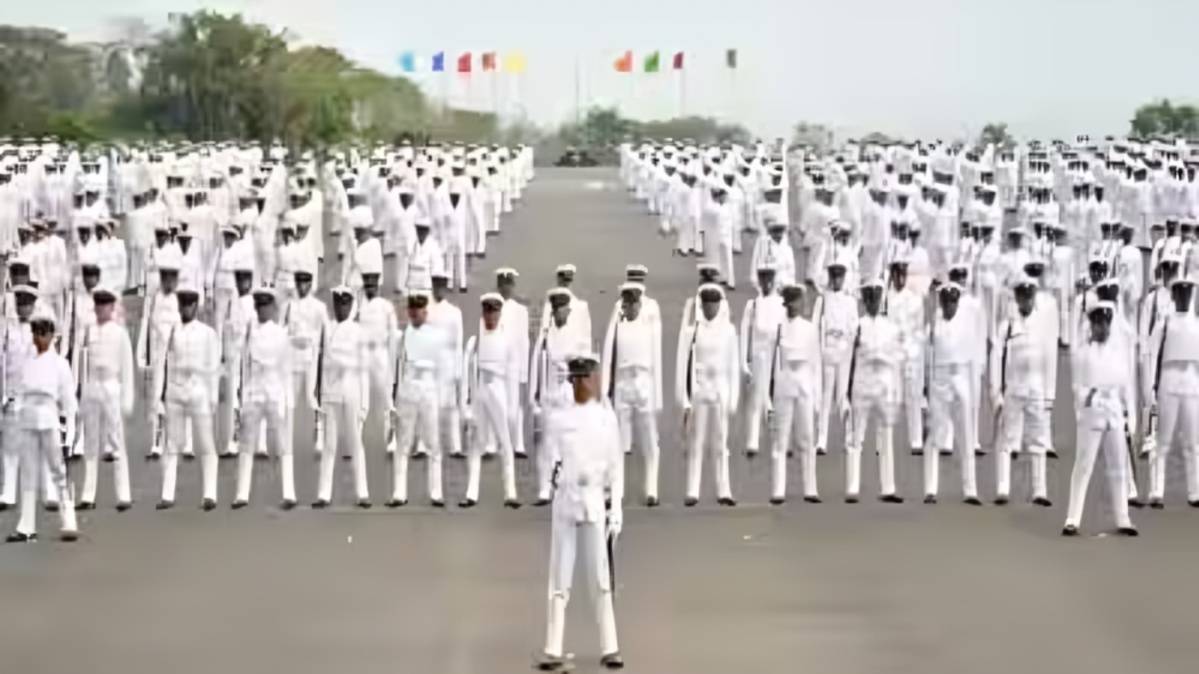
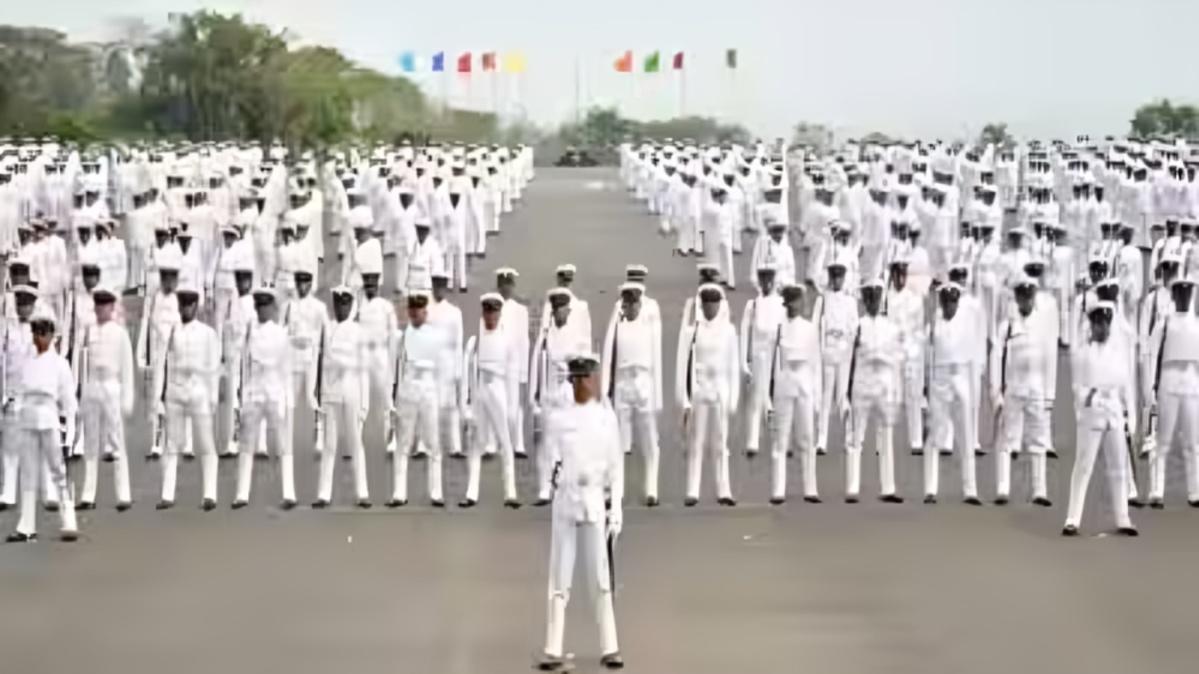
The development comes as the first batch of Naval Agniveers, recruited in late 2022, approaches the completion of its initial four-year service period.
The report states that the Union Cabinet recently approved the extension arrangement, which provides additional service opportunities, revised remuneration and changes to the Seva Nidhi contribution structure.
Indian Navy Relaxes Marriage Restrictions
Under the reported policy change, Naval Agniveers who opt for the two-year service extension will be permitted to marry after completing the mandatory training required for their extended service.
A defence source cited in the report stated that the training would focus on professional and trade-specific requirements.
Once the prescribed training is completed, eligible Agniveers may use their entitled leave for marriage purposes.
The decision represents a change from the rules applicable during the initial four-year service period.
Under the existing arrangement described in the report, Naval Agniveers are not permitted to marry during their first four years of service.
The relaxation is therefore intended for personnel who continue beyond their original tenure rather than all Agniveers immediately after recruitment.
The defence source also indicated that the Navy had issued orders concerning the revised marriage provision.
However, the complete official order and its detailed conditions were not included in the supplied information.
Marriage Permission Linked to Extended Service
The marriage provision is specifically connected to the proposed Second Tour of Duty.
Agniveers who complete their original four-year tenure and choose to extend their service for another two years will become eligible under the reported relaxation.
The permission will not automatically apply to personnel who remain within their initial four-year service period.
The requirement to complete professional training before marriage is an important condition of the new arrangement.
This means that an Agniveer entering the extended service period may need to complete additional training before becoming eligible to take marriage leave.
The duration and structure of the training have not been specified in the supplied report.
Further official clarification would be necessary to establish the exact eligibility requirements and administrative procedures.
First Batch of Naval Agniveers Completes Four Years
The timing of the policy change is significant because the first batch of Naval Agniveers was recruited in late 2022.
These personnel are reaching the end of their original four-year service commitments in 2026.
Their transition into the next stage of service is an important development in the implementation of the Agnipath scheme.
The initial four-year period was designed to provide young recruits with military training, professional experience and opportunities to serve in the armed forces.
The proposed extension would allow eligible personnel to continue serving for two additional years.
For those who choose the extended tenure, the total service period would increase from four years to six years.
The new marriage provision is intended to provide additional flexibility during this extended period.
Second Tour of Duty Under Agnipath Scheme
The Second Tour of Duty is described in the supplied report as an extension arrangement under the Agnipath recruitment system.
The report states that the Union Cabinet approved the additional two-year service period.
It also attributes an announcement about the arrangement on November 4 to Chief of Defence Staff General N S Raja Subramani.
According to the report, the extension is intended to provide Agniveers with an opportunity to continue their military careers beyond the original four-year tenure.
The arrangement also includes increased remuneration and revised financial benefits.
These changes are presented as measures intended to encourage eligible personnel to remain in service.
However, the precise terms of the extension, including selection procedures and service conditions, should be confirmed through the relevant government notification.
Revised Monthly Remuneration for Extended Service
The proposed extension includes higher monthly remuneration for Agniveers who continue their service.
According to the figures provided in the report, eligible personnel will receive Rs 43,500 per month during the first year of the extension.
In the second year, the monthly amount will increase to Rs 47,500.
Applicable allowances are expected to be provided in addition to these amounts.
The revised remuneration is intended to make continued service financially more attractive.
The difference between the two annual monthly rates is Rs 4,000.
Based on the reported monthly amounts, an Agniveer serving the complete two-year extension would receive Rs 10,92,000 in total remuneration before any applicable deductions, excluding additional allowances.
This calculation assumes payment at the stated rates for all 24 months.
The report does not specify whether the amounts represent gross remuneration, take-home pay or a particular salary component.
Therefore, the figures should be presented as reported remuneration rather than confirmed net salary.
Increased Government Contribution to Seva Nidhi
Another major financial change concerns the Seva Nidhi arrangement.
According to the supplied report, the government's Seva Nidhi contribution will increase to 70 percent during the two-year extension.
The Seva Nidhi system is intended to provide financial support to Agniveers in connection with their service.
An increased government contribution could improve the financial benefits available to eligible personnel completing the extended tenure.
However, the report does not provide the full calculation method for the revised contribution.
It also does not specify the contribution base or the total amount an Agniveer would receive at the end of six years.
These details would need to be confirmed through an official notification explaining the financial provisions.
The proposed increase is nevertheless an important part of the package described for extended-service Agniveers.
Possible Pathway to Regular Military Service
The supplied report also states that the government has decided to create a pathway for Agniveers to be considered for regular military service.
According to the account, Agniveers willing to continue beyond their contractual service may become eligible for regular enrolment if they meet the required selection criteria.
This proposal could provide additional career opportunities for personnel seeking longer-term employment in the armed forces.
However, eligibility for consideration should not be confused with guaranteed permanent appointment.
Regular enrolment would depend on the selection rules, vacancies, service requirements and other conditions specified by the authorities.
The report does not provide detailed information about the number of positions available or the final selection procedure.
An official policy document would be necessary to determine how the proposed pathway will operate.
Indian Army and Air Force May Consider Similar Changes
The report suggests that the Indian Army and Indian Air Force could consider introducing similar marriage provisions for Agniveers.
However, any such decision would depend on the service requirements and policies of the respective armed forces.
The marriage relaxation described in the report applies specifically to the Indian Navy.
It should not be interpreted as confirmation that the Army and Air Force have already implemented identical rules.
Each service may establish its own eligibility requirements, training conditions and administrative procedures.
Any extension of the policy to other branches would require a separate official announcement.
Agnipath Scheme and Youth Recruitment
The Agnipath scheme was introduced in 2022 as a recruitment system for young personnel entering the Indian armed forces.
Under the original framework, Agniveers were recruited for an initial service period of four years.
The scheme was designed to provide military experience and professional training while supporting the armed forces' personnel requirements.
The recruitment system has also generated public discussion about career opportunities, financial benefits and long-term employment prospects.
The reported Second Tour of Duty arrangement represents a possible change in the duration of service available to eligible recruits.
By providing an additional two years, the government aims to create greater flexibility for personnel who wish to continue serving.
The marriage relaxation and revised financial provisions are presented as measures intended to make the extended service period more attractive.
Importance of Family Life and Service Conditions
Marriage rules are an important aspect of employment conditions for military personnel.
Armed forces service often involves demanding training schedules, transfers, operational responsibilities and extended periods away from home.
Policies governing marriage and family responsibilities must therefore take account of service requirements.
The reported decision by the Indian Navy would allow eligible Agniveers to marry during their extended tenure while continuing to fulfil professional obligations.
The requirement to complete mandatory training before marriage indicates that the relaxation remains subject to operational and administrative conditions.
For young personnel considering an extended military career, the ability to plan family life may be an important factor.
The change could therefore influence decisions about whether to continue service beyond the initial four years.
Policy Implementation and Official Clarification
Although the report states that the Navy has issued orders allowing marriage during extended service, several implementation details remain unclear.
The supplied information does not specify the exact date on which the revised rules take effect.
It also does not provide the full text of the Navy's order, the duration of mandatory training or the procedure for applying for marriage leave.
Similarly, the final conditions of the Second Tour of Duty arrangement require confirmation through official documents.
Prospective applicants and serving Agniveers should rely on notifications issued by the Indian Navy and the Ministry of Defence when making decisions about service extensions.
Media reports can provide information about proposed changes, but official service instructions determine the applicable rules.
New Opportunities for Naval Agniveers
The reported policy relaxation marks a potentially important development for Naval Agniveers approaching the completion of their original service period.
The proposed two-year extension would increase the available tenure to six years for eligible personnel who choose to continue.
Alongside higher remuneration and revised Seva Nidhi contributions, the marriage provision would provide additional flexibility in personal and professional planning.
The possibility of consideration for regular military service could also create longer-term career opportunities, subject to selection requirements.
For the first batch of Naval Agniveers recruited in 2022, these developments may influence decisions about their future.
The final impact of the policy will depend on official implementation, eligibility conditions and the number of personnel who choose the extended service arrangement.
The Indian Navy's reported decision highlights an effort to balance military service requirements with the changing expectations of young recruits.
Further announcements from the Ministry of Defence and the Indian Navy will be important for confirming the full scope of the new provisions.