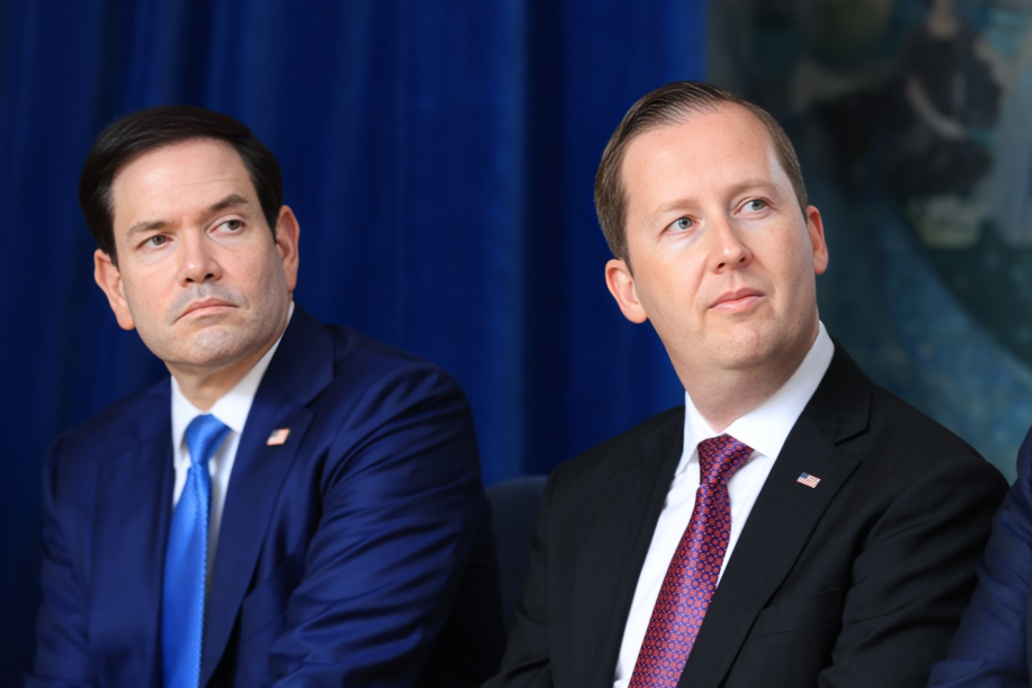
Marco Rubio’s India Visit: Trade Deal, Energy Security and Jamnagar Refinery on Agenda
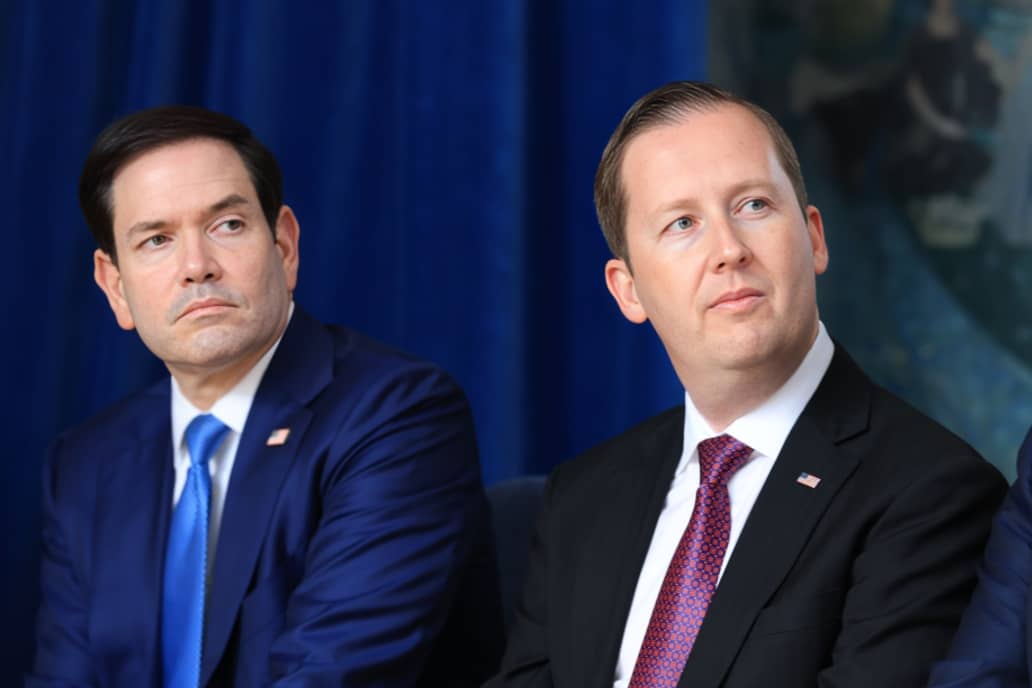
Mumbai, October 20: US Secretary of State Marco Rubio began his India visit on Tuesday, with trade negotiations, energy security and strategic cooperation expected to feature prominently in discussions with Indian officials and business leaders. The visit includes engagements in Mumbai and Jamnagar, Gujarat, at a time when India and the United States are working to advance a proposed bilateral trade agreement.
Rubio is scheduled to meet External Affairs Minister S. Jaishankar in Mumbai to discuss ways to strengthen the India-US Comprehensive Global Strategic Partnership. The discussions are expected to cover trade and investment, defence cooperation, critical and emerging technologies, energy security and regional developments, including the situation in West Asia.
According to the reported itinerary, Rubio will also pay tribute to the victims of the November 26, 2008, Mumbai terror attacks at the Taj memorial. He is expected to attend the Freedom 250 Reception at the Jio World Convention Centre, marking the 250th anniversary of American independence, with Jaishankar attending as the guest of honour.
India-US trade agreement in focus
The proposed bilateral trade agreement is one of the major issues surrounding Rubio’s visit. Both countries have been negotiating terms aimed at expanding commercial relations and addressing differences over tariffs, market access and trade policy.
US officials have recently indicated that negotiations are progressing towards a possible agreement. However, a final deal should not be considered concluded until both governments formally announce its terms and status.
For India, improved access to the US market is an important consideration for exporters across sectors. For the United States, discussions involve opportunities for businesses, investment and more predictable commercial arrangements with one of the world’s largest economies.
The talks are taking place against a backdrop of trade-related tensions between the two countries. The outcome will depend on how negotiators address outstanding issues and agree on terms acceptable to both sides.
Energy security and Russian crude oil
Energy cooperation is another significant item on the agenda. India is a major energy consumer and relies on imports to meet a substantial share of its crude oil requirements. Its purchasing decisions are influenced by price, supply availability, refining needs and wider international market conditions.
India’s continued imports of Russian crude oil have been a point of discussion in its relationship with Washington. The issue connects energy security with the broader geopolitical context, including the conflict in Ukraine and US policy towards Russia.
The two sides are expected to discuss energy procurement and ways to strengthen cooperation. Any agreement in this area would need to take account of India’s energy requirements, international market conditions and the policies of both governments.
Energy security also extends beyond crude oil. Cooperation may involve investment, technology, supply chains and other energy-related commercial opportunities. The details of any new commitments would need to be confirmed through official statements.
Jamnagar refinery visit
Rubio’s itinerary includes a visit to Jamnagar in Gujarat, home to Reliance Industries’ large refining and petrochemical complex. The facility is a major part of India’s energy infrastructure and has an important role in the global refining industry.
The visit is expected to highlight the relationship between energy production, investment and international trade. Engagements with Reliance Industries officials and chairman Mukesh Ambani have also been reported as part of the programme.
The refinery visit provides an opportunity to discuss the wider commercial relationship between India and the United States, including energy supplies, industrial investment and cooperation between companies.
However, a visit to an industrial facility does not itself confirm a new investment or supply agreement. Any specific commitments announced during the visit should be reported separately once the details are officially available.
Defence and emerging technologies
Defence cooperation and critical and emerging technologies are also expected to feature in the discussions between Rubio and Jaishankar. India and the United States have expanded cooperation in areas including defence equipment, technology, research and security coordination.
Critical technologies have become increasingly important to both countries because of their role in manufacturing, digital infrastructure, industrial development and national security. Cooperation in these areas can include investment, research partnerships, technology development and resilient supply chains.
The talks may also provide an opportunity to review existing initiatives and identify areas where cooperation can be strengthened. The exact outcomes will depend on what the two governments announce following their meetings.
Regional and global issues
The ministers are also expected to exchange views on regional and international developments, including the situation in West Asia. Conflicts in the region can affect energy prices, shipping routes, trade and the security of Indian citizens working or living abroad.
The discussions are part of the wider India-US strategic relationship, which includes diplomatic engagement on regional stability and shared international concerns.
Rubio’s visit therefore combines diplomatic discussions with business and energy engagements. The proposed trade deal, energy security, defence cooperation and emerging technologies are central to the agenda, while the Jamnagar visit highlights the commercial dimension of the relationship.
The progress of negotiations and any new agreements will become clearer through official statements from the two governments. Until then, the visit represents an opportunity to advance discussions rather than confirmation that all outstanding issues have been resolved.