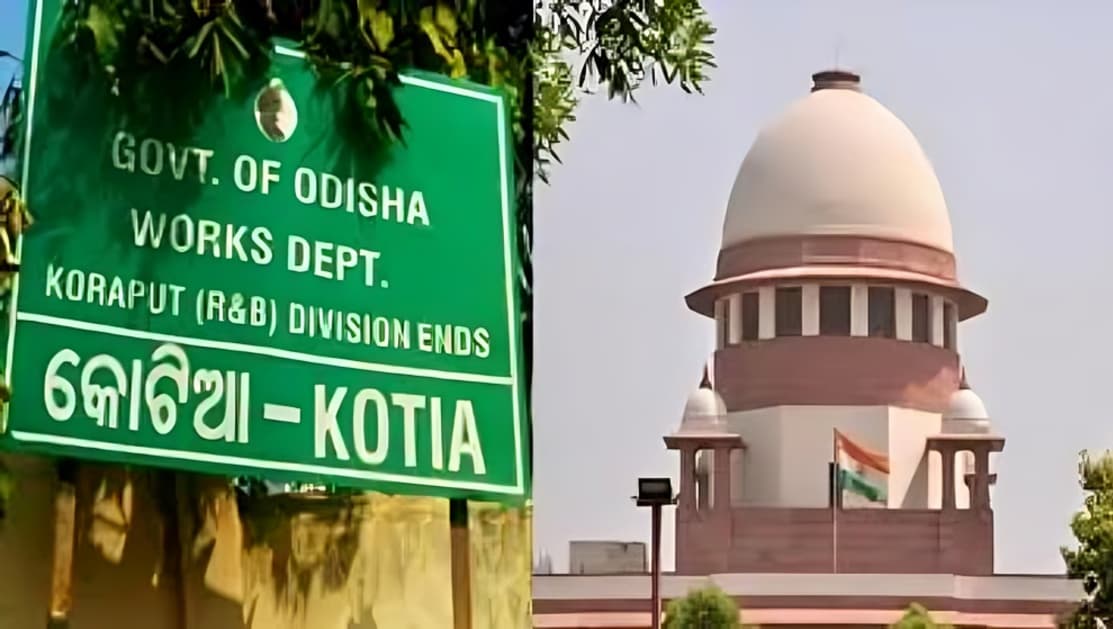
The Supreme Court of India is currently hearing a debate on the State of Indian Representation (SIR) issue, where both petitioners and the Election Commission cited the same legal precedent to support conflicting positions. The case, which has been pivotal in shaping administrative and electoral law, was presented by both sides to strengthen their respective arguments before the bench.
Petitioners argued that the precedent demonstrates the need for stricter oversight and enforcement of representation guidelines, emphasizing the protection of voter rights and adherence to constitutional principles. According to them, the legal case supports their claim that reforms or corrective measures are required to ensure fairness and equitable voter representation across regions.
On the other hand, the Election Commission invoked the same case to justify its current approach and exercise of administrative authority. The poll panel contended that the precedent supports its interpretation of law, granting it discretion in decision-making and validating the steps it has taken to maintain electoral integrity. According to the Commission, the case confirms its legal authority to manage the processes involved in representation without external interference, while ensuring compliance with constitutional mandates.
The courtroom discussions highlighted the complexities of interpreting the law in situations where administrative discretion intersects with voter rights. Both sides presented detailed arguments, citing historical judgments, statutory provisions, and constitutional clauses. The bench examined these submissions carefully, asking clarifying questions to understand the implications of the cited case on the ongoing SIR debate.
Legal experts observing the proceedings note that such situations underscore the nuances of judicial interpretation, where a single case can be used to support conflicting viewpoints depending on legal reasoning and context. The debate also reflects broader challenges in balancing administrative authority with constitutional safeguards for citizens’ representation.
The Supreme Court’s review of the arguments is expected to set important precedents regarding the extent of the Election Commission’s powers and the mechanisms for ensuring fair representation. Observers suggest that the outcome could influence how similar disputes are resolved in the future, shaping policies on voter representation and administrative oversight across India.
Both petitioners and the Election Commission emphasized the importance of maintaining public confidence in the electoral system while adhering to constitutional provisions. The bench will deliberate on the submissions and decide on procedural directions or interim measures as necessary to ensure a fair resolution of the issue.
In conclusion, the ongoing debate in the Supreme Court highlights the complexities of electoral law in India. The use of the same case by opposing parties demonstrates the intricate nature of legal interpretation and the challenge of reconciling administrative authority with constitutional principles. The final judgment is anticipated to provide clarity on the roles, responsibilities, and limits of the Election Commission while ensuring that voter representation and rights are upheld across the country.