
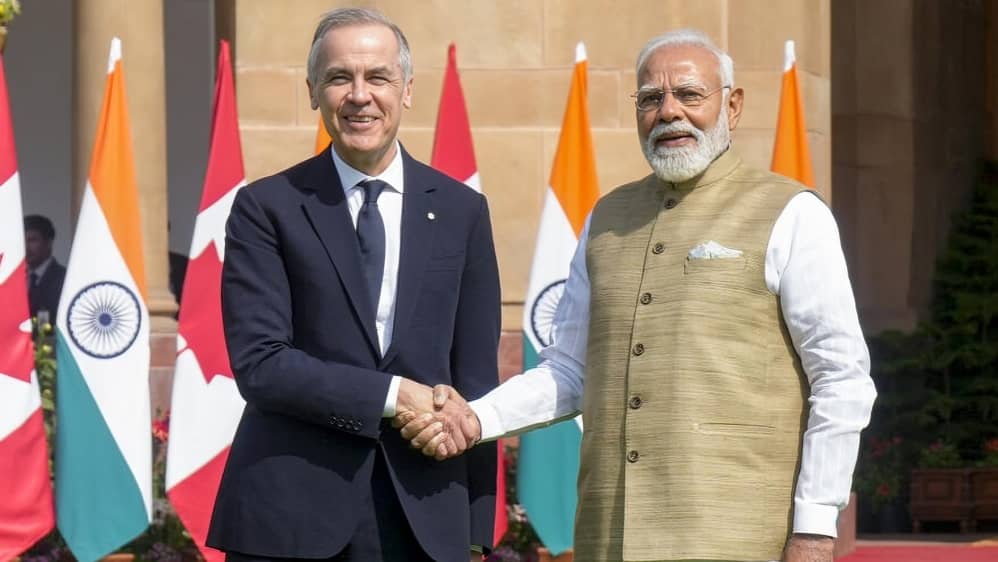
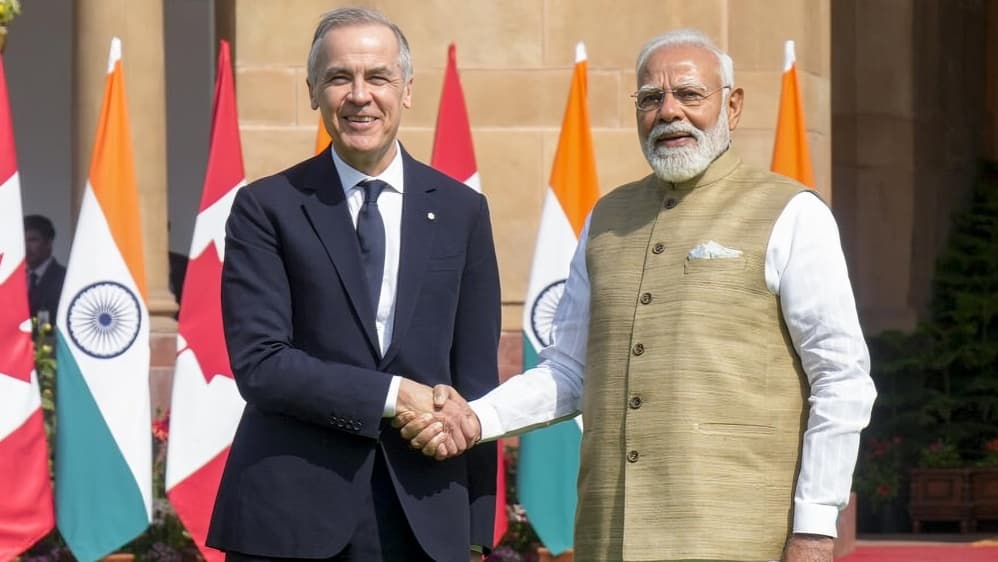
India and Canada have taken a significant step in bolstering their bilateral relationship following Canadian Prime Minister Mark Carney’s official visit to New Delhi. During high-level talks with Prime Minister Narendra Modi, the two nations signed a landmark agreement focused on cooperation in uranium and critical minerals, marking a new chapter in India-Canada strategic and economic collaboration. The agreement is expected to strengthen India’s energy security while fostering closer industrial and technological cooperation between the two countries.
In addition to the uranium and critical minerals pact, both leaders agreed to finalize a Comprehensive Economic Partnership Agreement (CEPA) in the near future. This agreement aims to expand trade, investment, and economic collaboration across multiple sectors, including technology, clean energy, and infrastructure. CEPA discussions are anticipated to create a more structured framework for facilitating cross-border business activities and enhancing bilateral commercial engagement.
Prime Minister Modi and Mark Carney also addressed pressing global security challenges during their discussions, particularly focusing on the escalating tensions in West Asia. Modi reaffirmed India’s commitment to resolving conflicts through dialogue, diplomacy, and multilateral engagement, emphasizing the need for stability in regions that impact global energy and trade flows. Canada, as a strategic partner, underscored its willingness to collaborate with India on shared security and economic priorities.
The uranium agreement is expected to contribute significantly to India’s nuclear energy program, providing a reliable and sustainable supply of fuel for civil nuclear reactors. Simultaneously, the critical minerals collaboration is poised to support India’s ambitions in clean energy technologies, including electric vehicles, renewable energy infrastructure, and battery manufacturing. Both countries highlighted the importance of mutual investment in strategic minerals, which are essential for technological advancement and energy transition.
Observers note that this visit has effectively ended the recent strain in diplomatic ties, signaling a renewed commitment to cooperation on economic, strategic, and security fronts. The signing of the uranium and critical minerals agreement demonstrates the converging interests of India and Canada in addressing long-term energy security while supporting sustainable growth objectives.
The CEPA finalization is expected to open new avenues for trade, investment, and joint ventures, especially in technology-driven sectors. By combining Canada’s resource base and expertise with India’s growing market and technological capabilities, both nations aim to strengthen economic resilience and foster mutual growth.
In conclusion, the visit of Canadian Prime Minister Mark Carney to New Delhi marks a pivotal moment in India-Canada relations. The agreements on uranium, critical minerals, and CEPA underscore the strategic and economic partnership between the two nations. With enhanced cooperation in energy, trade, and security, India and Canada are poised to further deepen their diplomatic engagement, creating a framework for long-term collaboration and mutual development in an increasingly interconnected global environment.


